Douglas Alpine Review



Product Research: Our Process

Douglas Alpine: Is It Really an “Upgrade”?
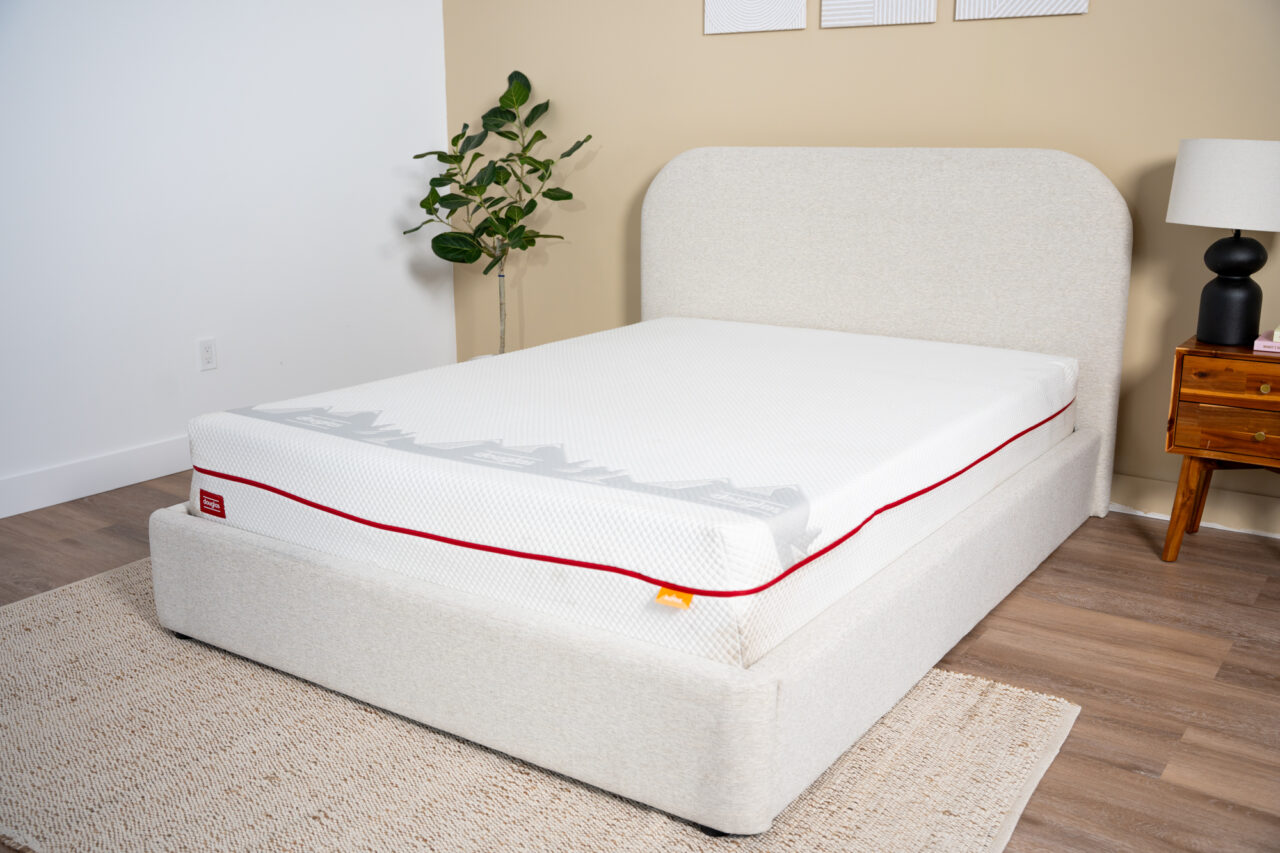
Our Verdict
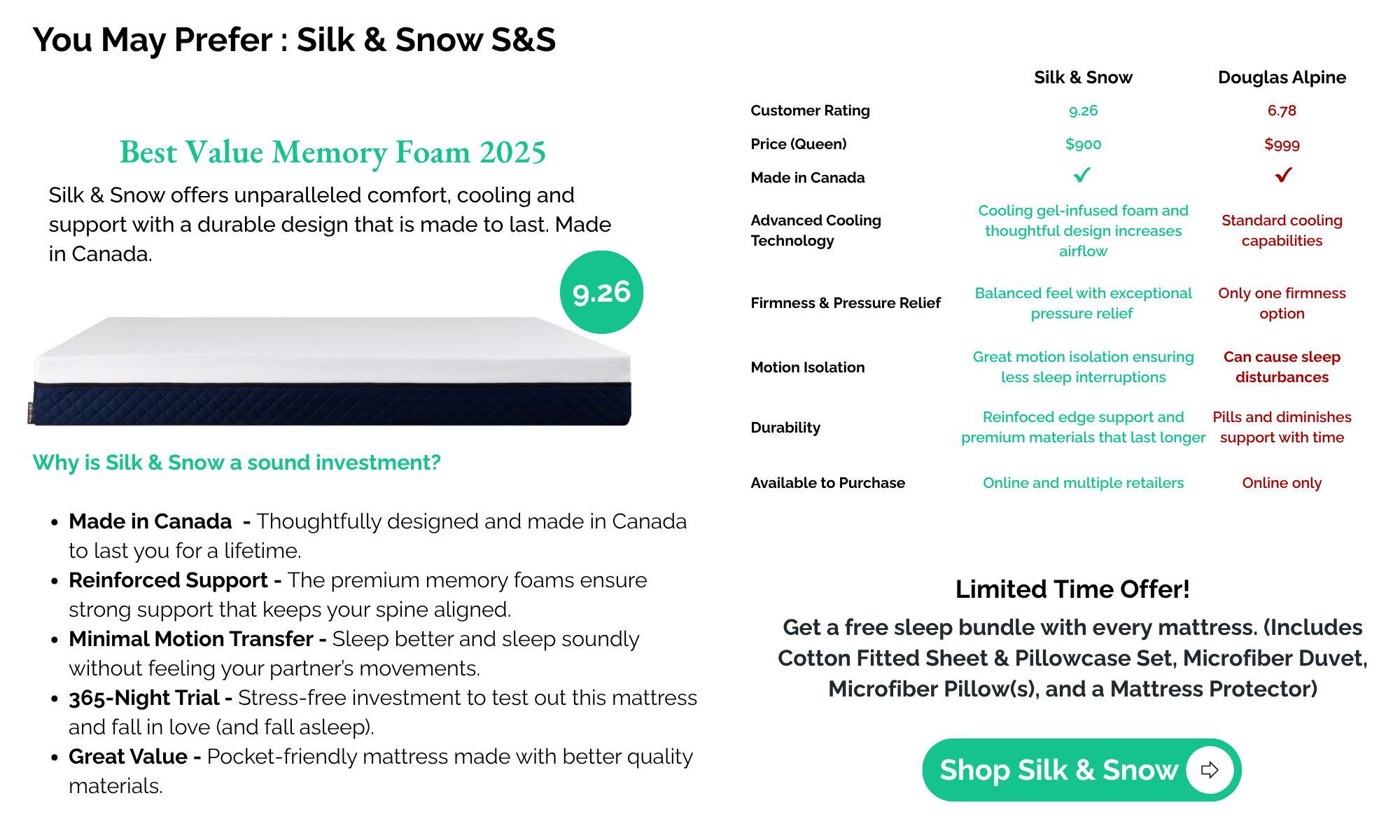
Other than the 365 night sleep trial and the 20-year warranty, there are not many features that stand out to make the Douglas alpine mattress a worthwhile mattress purchase over all other foam mattresses on the market. If you're attracted to a plush memory foam foam mattress, the Silk & Snow S&S Plushmay be worth considering — and it comes with a free comfort sleep bundle that the Douglas alpine simply does not offer. This alpine mattress review will walk you through everything you need to know before deciding whether to buy Douglas alpine or look elsewhere.
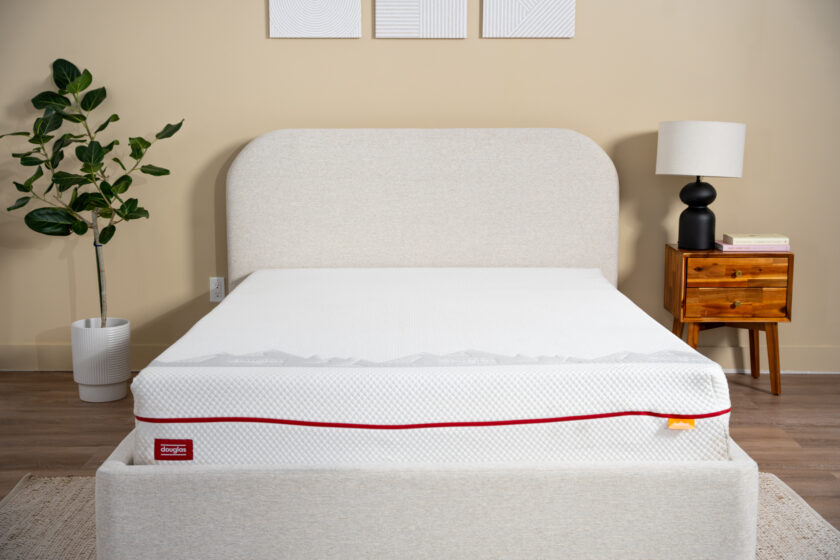
Douglas Alpine: Is It Really an “Upgrade”?


Table of Contents
Mattress Sizes & Prices
| Size | Price | Dimensions |
|---|---|---|
| Twin | $799 | 38″ x 75″ x 11” |
| Twin XL | $849 | 38″ x 80″ x 11” |
| Full / Double | $899 | 53″ x 75″ x 11” |
| Queen | $999 | 60″ x 80″ x 11” |
| King | $1099 | 76″ x 80″ x 11″ |
| California King | $1099 | 72″ x 84″ x 11” |
| Split King | $1698 | 76" x 80" x 11" |
Purchasing and Returns
The 365 night sleep trial and free pickup offer some reassurance — if the Douglas Alpine doesn't work out, the return is handled without extra cost and you receive a full refund. That said, I recommend using a mattress protector from night one to keep the Douglas Alpine mattress in returnable condition. A pillow protector is also advisable given the off gassing concerns we documented. Note that the Douglas alpine does not include a free comfort sleep bundle, cotton sheet set, duvet cover, or alternative duvet — accessories that brands like Silk & Snow and Endy include with every mattress purchase. A common complaint from customers was that the Alpine mattress was too soft, prompting returns well within the 365 night sleep trial window.
Unboxing and First Impressions
The Douglas Alpine arrived at my doorstep compressed in a cardboard box that was noticeably beat up. Upon unboxing this bed in a box foam mattress, it took about 20–30 minutes to expand to its full 11-inch form — slower than most competing foam mattress options — and as it didn’t feel sturdy enough, I opted to wait a full 48 hours before sleeping on it.
In our Spring 2025 testing, the Douglas Alpine had an off gassing-like smell for 15 days — shorter than the Douglas Summit but still notable. We did not measure VOC emissions, so the alpine mattress may have stopped off gassing earlier, if at all. However, if you’re sensitive to smell, this new mattress off gassing period is worth factoring into your decision to buy Douglas Alpine. Airing the Douglas Alpine mattress in a well-ventilated room and using a mattress protector immediately is strongly advised.
Construction

The Douglas Alpine is an all foam construction foam mattress built with foam layers very similar to those in the Douglas Original — just 1″ taller overall. As a certified sleep science coach would note, more foam layers depth does not automatically translate to better pressure relief, motion isolation, or cooling features — and this alpine mattress construction bears that out. Here’s a full breakdown:
1. Douglas CoolSense® Cover (Machine Washable Cover)
The machine washable cover uses cooling nanofibers to regulate temperature at the mattress surface — the same machine washable cover found across the douglas lineup. While the machine washable cover is a practical feature, a notable customer complaint is that the Douglas Alpine’s machine washable cover pills relatively easily with regular use. Adding a mattress protector will help preserve the machine washable cover and extend the life of the Douglas Alpine mattress.
2. 2.25″ ecoLight® Cooling Gel Foam + Polar® Temperature Balancing (Comfort Layer)
The ecolight cooling gel foam comfort layer combines cooling gel foam with polar temperature balancing technology to regulate temperature at the surface level. The polar temperature balancing in this cooling gel foam comfort layer incorporates phase change material — a technology designed to absorb body heat as it fluctuates and release it when the mattress surface cools. In theory, the phase change material within the ecolight cooling gel foam should help sleepers cool throughout the night. In practice, however, the polar temperature balancing and phase change material combination proved insufficient in sustained testing — particularly for hot sleepers who generate consistent extra body heat overnight. The gel infused foam does provide some surface-level cooling features, but not enough to meaningfully absorbs extra body heat over a full night.
3. 2.25″ Premium Elastex® Foam (Comfort Layer)
The comfort layer of memory foam beneath the cooling gel foam is the same body contouring Elastex® formulation used across the douglas mattress range. This comfort layer is designed to promote body contouring and provide gentle body contouring without firm resistance. However, it contributes to the enveloping memory foam feel and slow recovery that defines the douglas alpine feel — a sensation many sleeping position types, particularly back sleepers and stomach sleepers, find uncomfortable over time.
4. 6.5″ Motion Isolation Support Foam (Support Layer)
The 6.5 motion isolation support support layer — also referred to as the motion isolation support foam — is the dense foundational base of the douglas alpine mattress. This motion isolation support foam support layer is 0.5″ thinner than the equivalent in the Douglas Summit, and its motion isolation performance reflects this. Unlike innerspring mattresses or hybrid mattress designs with individually wrapped coils, the all foam construction motion isolation support foam relies solely on foam density to contain movement — and as our testing confirmed, this approach delivers inconsistent results.
Comfort
Compared to the Douglas Original, with 1″ of additional height, I expected the Douglas Alpine to be notably more plush and comfortable. However, the overall comfort of the Alpine mattress was essentially similar to the original Douglas mattress. The foam layers do provide some body contouring and basic pressure relief for lightweight sleepers, but medium firm mattress expectations for average weight sleepers are likely to go unmet.
If you’re looking for an alternative to the Douglas Original rather than an upgrade within the Douglas lineup, consider the Silk & Snow S&S Mattress. This all foam mattress option is competitive in price to the Douglas Alpine mattress and is available to test in stores across Canada — giving you the in-store experience that the douglas alpine cannot offer.
Firmness
The Douglas Alpine is considered a medium firm and scored 6 out of 10 on our firmness scale. Despite this medium firm feel positioning, I sank deeper into the Douglas Alpine mattress than I did on other medium firm mattress options, like the Silk & Snow S&S. This is a recurring theme across the Douglas mattress range: the medium firm feel is softer in practice than advertised.
The Alpine mattress also has a flat mattress surface with no tufting or quilting on the comfort layer, whereas the S&S has a quilted comfort layer that provides more traction and a more stable sleeping position experience when getting in and out of bed. This is a meaningful texture and usability difference that the Douglas Alpine feel does not compensate for. A medium firm mattress designed for true proper spinal alignment should offer firmer resistance than the Douglas Alpine provides — and competing foam mattress options do this better.
Motion Transfer
As someone who shares a bed with a partner, great motion isolation is paramount for me — and the Douglas Alpine did not impress in this area. In our lab tests, we noticed the water vessel shake when our sleep testers got in and out of bed, indicating the alpine mattress is not as successful at achieving great motion isolation as similarly priced foam mattress alternatives.
The motion isolation support foam support layer provides moderate dampening, but the all foam construction without innerspring mattresses-style pocket coils or hybrid mattress coil isolation means motion transfer travels more freely across the mattress surface than it should. If great motion isolation is a priority for your sleeping position, the Silk & Snow S&S consistently outperformed the Douglas Alpine in our motion isolation testing, and a true hybrid mattress would deliver even better results.
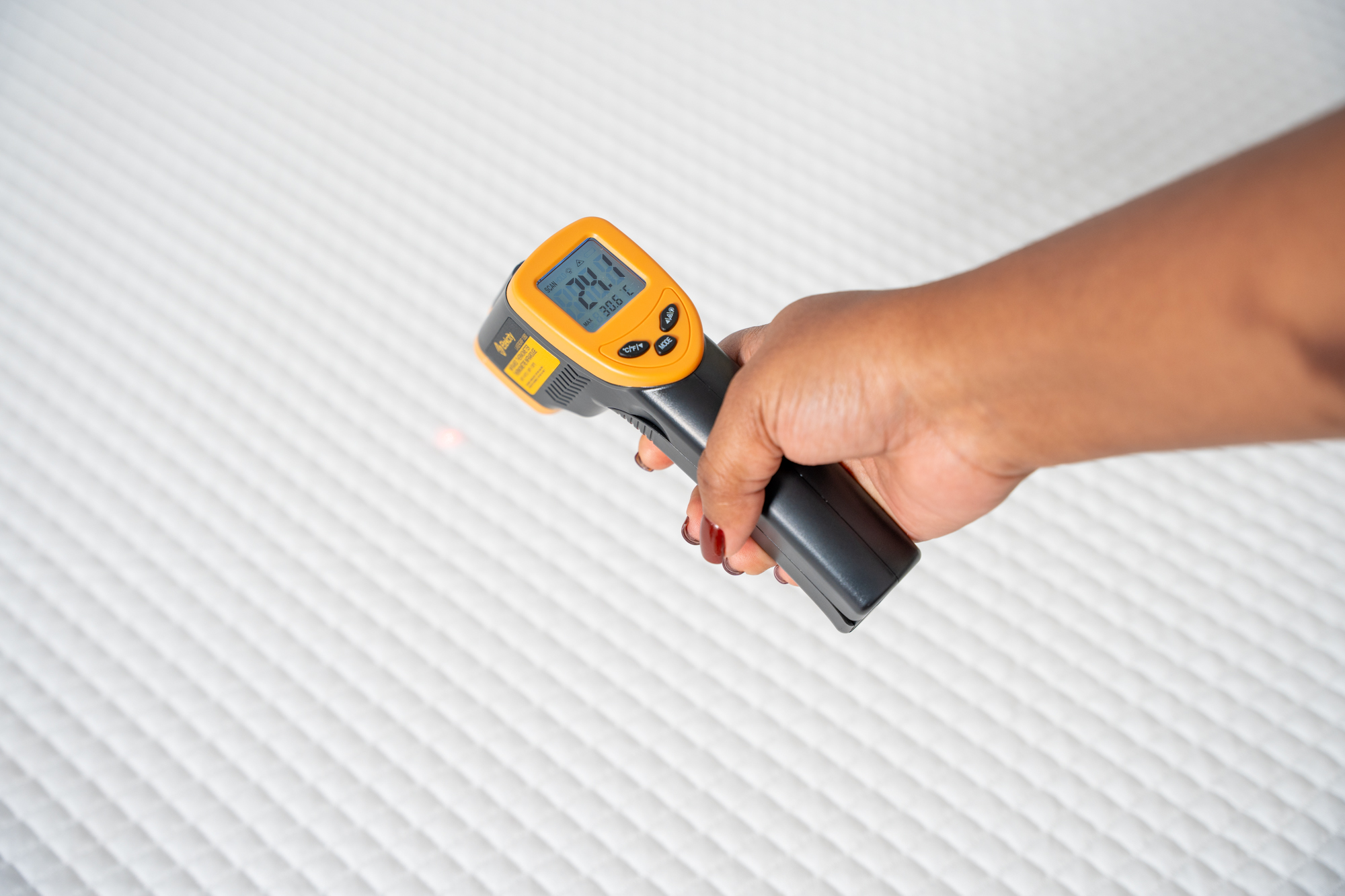
Cooling
The Douglas Alpine claims their polar temperature balancing keeps sleepers cool throughout the night. The alpine mattress does feel cool to the touch initially — a result of the phase change material and ecolight cooling gel foam comfort layer working at the surface level. However, after sitting on the alpine mattress for 30 minutes in our Spring 2025 testing, the mattress surface temperature increased to 24.1°C. This indicates the Douglas alpine is retaining extra body heat and cannot adequately regulate temperature under sustained use — falling short of what the cooling features marketing implies.
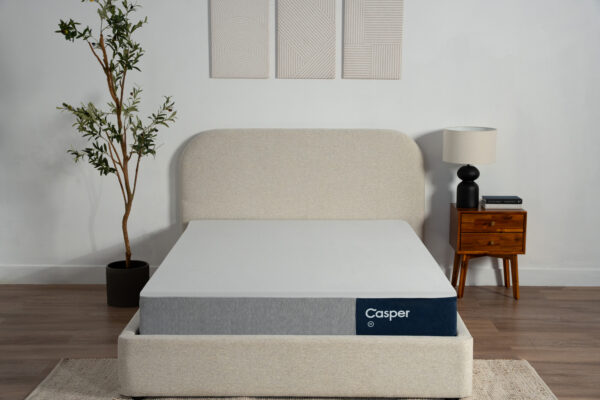
The phase change material within the polar temperature balancing system does absorbs extra body heat initially, but becomes saturated quickly and loses effectiveness — a known limitation of phase change material in foam mattress designs. For hot sleepers who regulate temperature needs seriously, the cooling features of the Douglas Alpine will likely disappoint. The Silk & Snow S&S and The Casper both delivered more consistent cooling features and temperature regulation in our testing, without the heat retention issues the Douglas alpine exhibited.
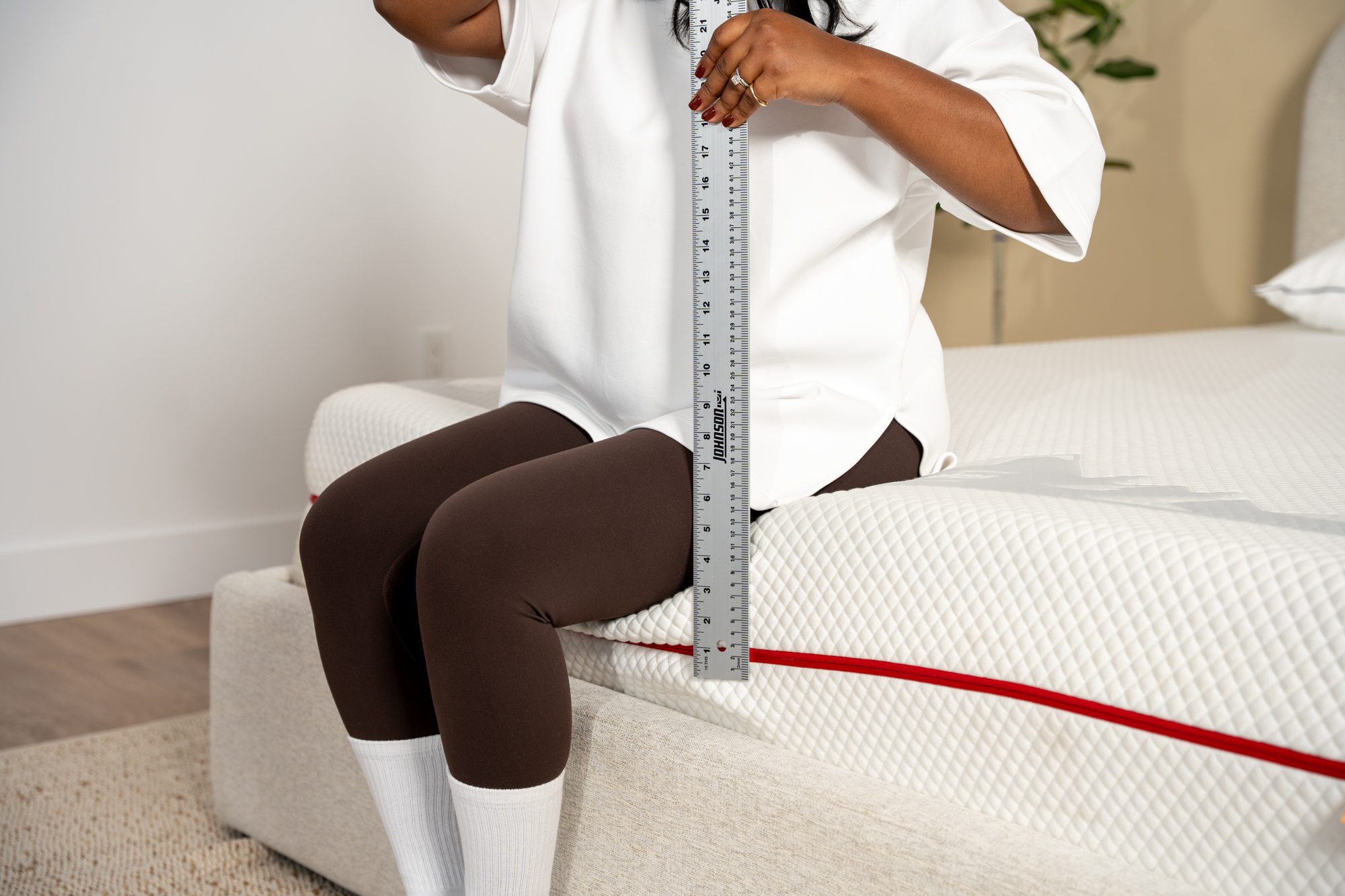
Edge Support
The Douglas Alpine fell short of my good edge support expectations, and performed similarly to other Douglas mattresses in this area — despite the additional inch of height. When I sat on the edge of the alpine mattress, I sank down approximately 6″ in height — leaving little good edge support beneath me. This was essentially identical to the Douglas Original, confirming that the extra foam layer’s depth did not translate into improved edge support at the perimeter.
For side sleepers or couples who use the full width of their Alpine mattress, this weak edge support progressively shrinks the usable mattress surface. A foam mattress without reinforced perimeter support — or the structural benefits of a hybrid mattress coil edge system — will consistently struggle to deliver reliable good edge support over time. This is one area where the Douglas Alpine compared to alternatives from Silk & Snow is particularly unfavourable.
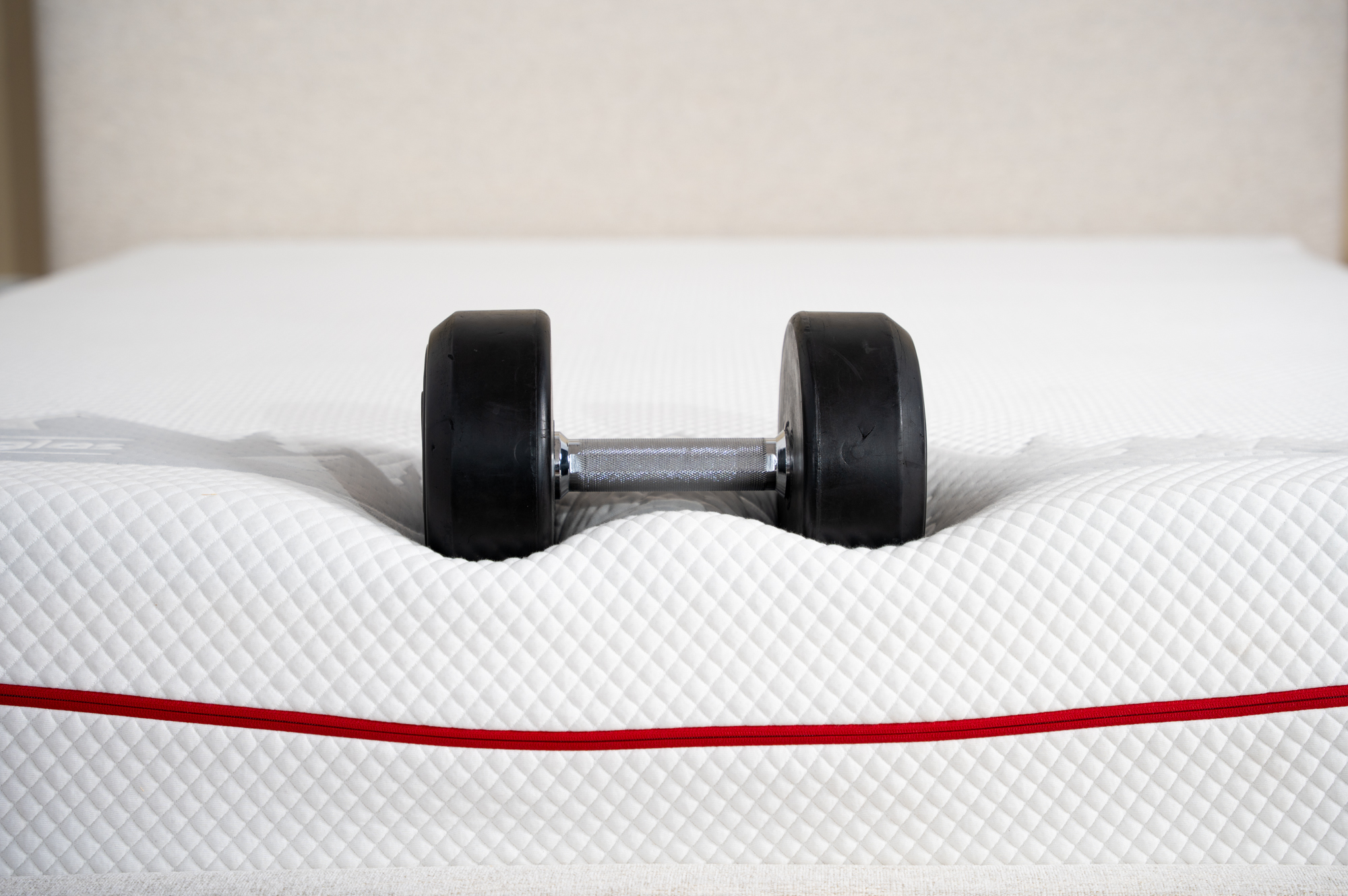
Sinkage and Responsiveness
As noted, I don’t enjoy the “stuck” sensation that some memory foam mattress designs create — and the Douglas Alpine feel is a textbook example of this. Like the Douglas Original, the alpine mattress responds within seconds after pressure is removed but lacks meaningful bounce. When we dropped a 5lb ball onto the mattress surface, it only bounced once — a few centimetres above the surface — before settling.
This lack of responsiveness is a defining characteristic of the all foam construction Douglas lineup: without the coil-driven rebound of a hybrid mattress or the open-cell responsiveness of better foam mattress alternatives, the Douglas alpine mattress creates a cradling, enveloping experience that restricts free movement across sleeping position types. A certified sleep science coach would note that poor responsiveness is a genuine concern for combination sleepers and those who shift sleeping position frequently throughout the night.
How does it suit different sleeping positions?
Side Sleepers
The Douglas Alpine can be soft enough for most side sleepers who prefer a cushiony mattress surface. However, those who dislike the “sinking in” Douglas alpine feel may prefer a hybrid mattress model, like the S&S Hybrid, which provides better rebound and edge support for side sleepers who use the full width of their foam mattress.
Back Sleepers
Heavier back sleepers may find this alpine mattress lacks the firmness and proper spinal alignment support they need. The medium firm feel skews soft for back sleepers of average to heavier weight, and the slow-recovery memory foam comfort layer can allow the lumbar region to sink too deeply for comfortable sleeping position maintenance. For lightweight sleepers who sleep on their back, the Douglas Alpine can be comfortable enough.
Stomach Sleepers
Our stomach sleepers testers called out sinkage in the hip region as a primary concern — more than any other sleeping position type. The foam layers do not provide sufficient resistance for proper spinal alignment during stomach sleeping, particularly for stomach sleepers of average or heavier weight. It may be marginally suitable for very lightweight sleepers on their stomachs, but most will find a firm mattress alternative more appropriate.
Combination Sleepers
Combination sleepers may find the Douglas Alpine difficult due to its enveloping memory foam comfort layer and lack of bounce across sleeping position types. Lightweight sleepers may manage movement more easily, but heavier bodies will feel stuck when transitioning between sleeping position throughout the night — a direct result of the Douglas alpine’s slow-recovery foam layers.
Lightweight Sleepers
For lightweight sleepers, the Douglas Alpine can provide adequate pressure relief and comfort. The cooling gel foam comfort layer does deliver surface-level body contouring for lighter body weights, and the alpine mattress feel is pleasant enough for those who enjoy a soft, enveloping memory foam experience.
Heavy People
Heavier individuals will likely prefer a firm mattress over the medium firm Douglas Alpine. The S&S Firm foam mattress is a durable, budget-friendly option worth considering — it provides meaningfully better pressure relief, structural integrity, and edge support for higher body weights than anything in the Douglas lineup.
Should You Buy the Douglas Alpine?
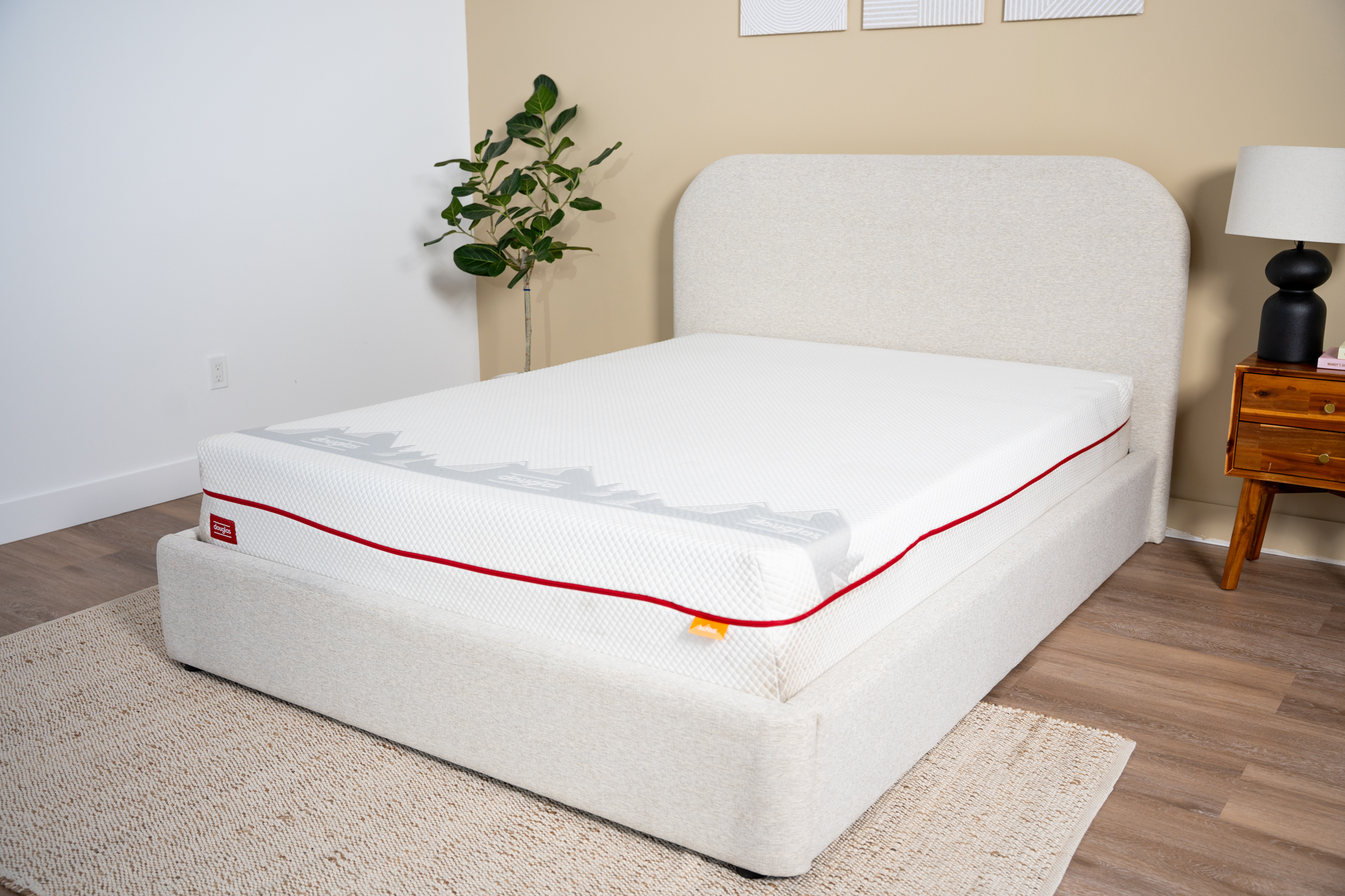
Advertised as an upgrade to the Douglas Original, the overall performance of the Douglas alpine mattress did not justify an additional $200 for the queen size Douglas alpine. This alpine mattress review confirmed that the Douglas Alpine does not meaningfully address the core weaknesses of the original Douglas mattress: lack of bounce, motion isolation, and good edge support remain consistent limitations across the Douglas mattress range.
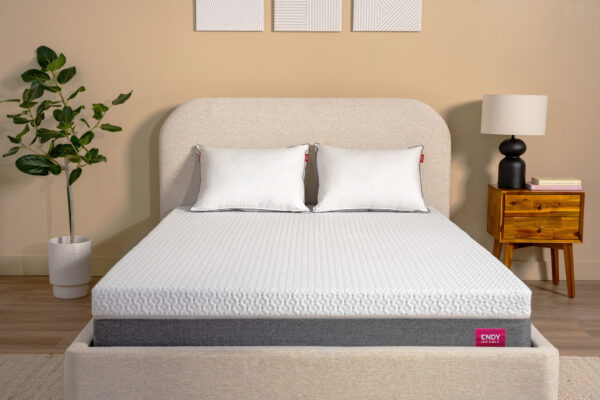
When evaluating what the mattress industry offers Canadians with 365 night sleep trial guarantees, free shipping, and bed in a box convenience, alternatives like the Endy Plush Mattress provide dramatically better comfort, support, and breathability at a comparable Douglas Alpine mattress cost. If you’re drawn to a plush all foam mattress experience, I’d recommend considering the Silk & Snow S&S Plush — or even the Silk & Snow S&S medium firm — as tried-and-true value options. Both include a free comfort sleep bundle that the Douglas Alpine does not, and both deliver a meaningfully superior foam mattress experience.
Please note: All prices referenced in this article reflect MSRPs and are accurate to the best of our knowledge as of April 1, 2026.
Frequently Asked Questions
How Douglas Alpine Compares to Similar Mattresses
|
Douglas Alpine |
Silk & Snow S&S |
The Endy Plush |
Douglas Original |
|
| Rating |
8.08/10 |
9.01/10 |
9.59/10 |
7.94/10 |
| Firmness |
Medium-firm |
Medium-firm or Plush |
Medium-plush |
Medium-firm |
| Material |
Memory Foam |
Memory Foam |
Memory Foam |
Memory Foam |
| Cooling |
|
|
|
|
| Best For |
Side Sleepers, Lightweight Sleepers, Short term use |
Suits a wide range of sleepers |
Suits a wide range of sleepers |
Side Sleepers, Lightweight Sleepers, Short term use |





About Our Author