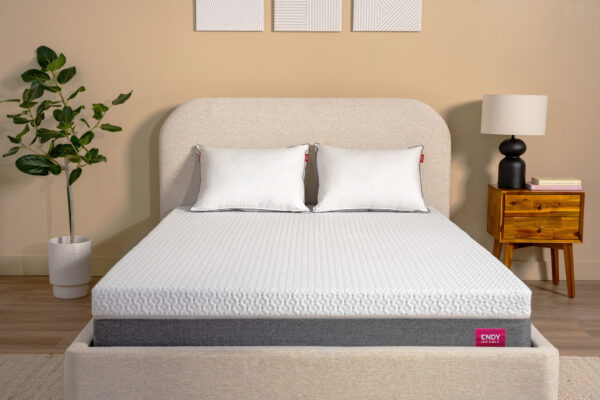
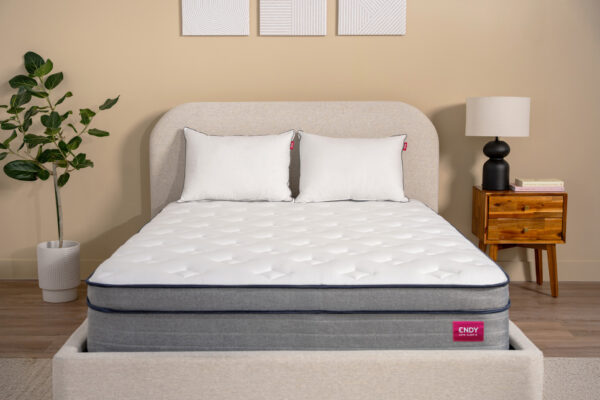
Endy vs Juno: Which Canadian Foam Mattress Is Worth Your Money?

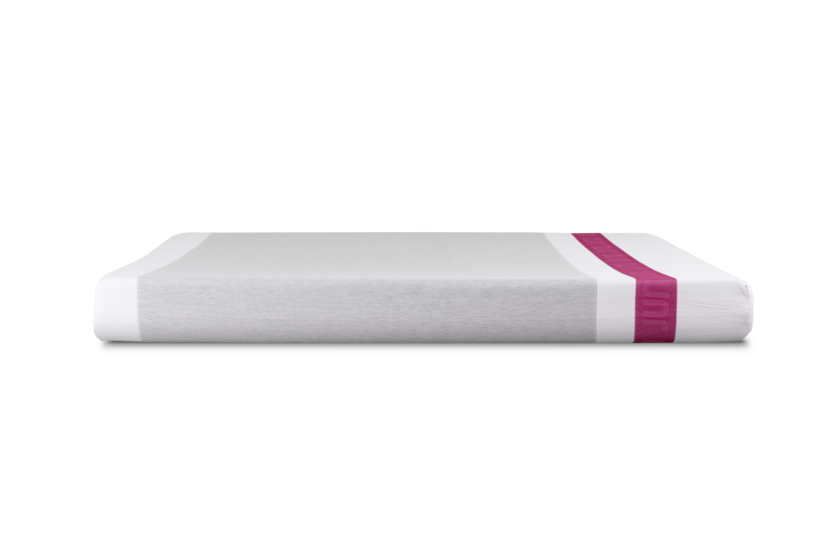
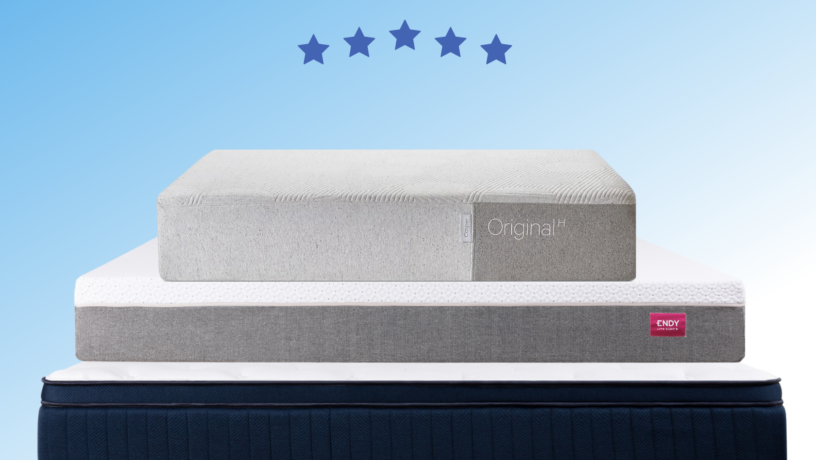
Overview: Juno and Endy Mattresses at a Glance
After rigorous testing by our team of sleep experts, the Endy Mattress came out on top. Here's exactly why.
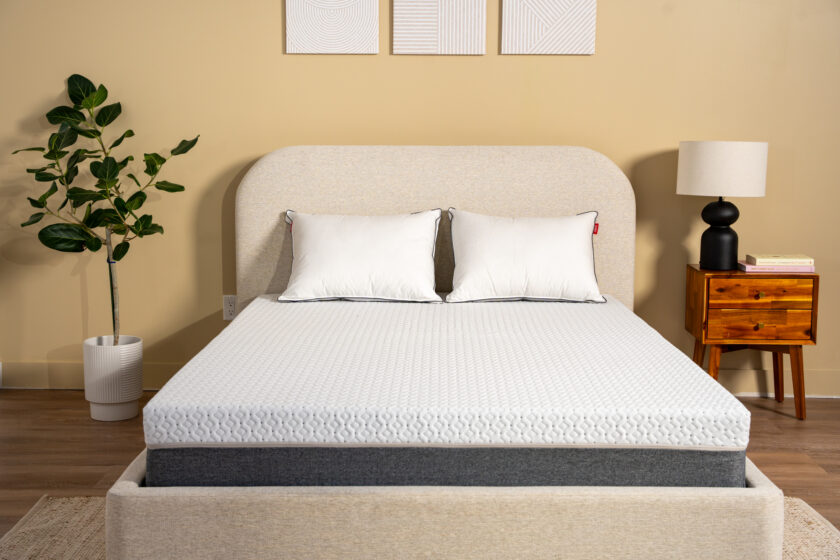

Key Features

Overall Rating
ADVERTISEMENT
Mattress Breakdown:
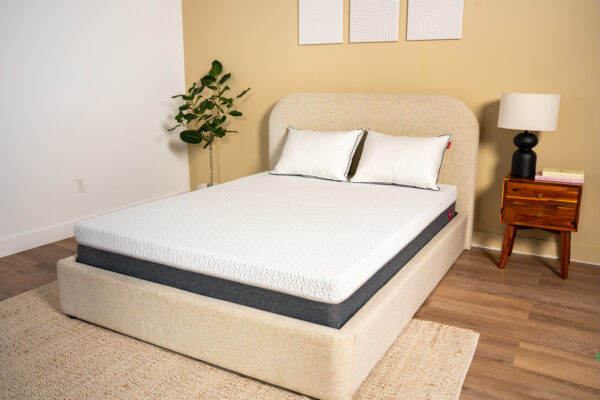
The Endy
 Material
Motion Isolation
Cooling
Standout Features
Material
Motion Isolation
Cooling
Standout Features • zero motion transfer for co-sleepers
• Optimal spinal alignment matched with exceptional full-body pressure relief
• Removable, machine washable cover for easy care and long-lasting freshness
• Three firmness options: Plush, Medium-Firm, and Firm
Juno
• Breathable knit cover
The Endy provides more comfort, superior motion isolation, and better breathability.
Mattress Sizes & Prices
| Size | The Endy | Juno |
|---|---|---|
|
Twin
|
$675 | $399 |
|
Twin XL
|
$745 | $449 |
|
Full/Double
|
$820 | $479 |
|
Queen
|
$895 | $499 |
|
King
|
$995 | $599 |
|
California King
|
$1045 | $599 |
Which Mattress Should You Buy?
The Juno Mattress is a compelling option for budget-conscious buyers. The Juno mattress offers a free bedding bundle, a 120 night sleep trial, and cooling gel technology that the brand claims dissipates heat 28% faster than traditional memory foam — making it a reasonable short-term or guest room foam bed. However, for anyone investing in a new mattress for nightly use, the Juno falls short. Its thin 8" profile, two-layer construction, and lack of a dedicated transition layer mean it cannot deliver the pressure relief, sustained cooling, or edge support that most sleepers need night after night.
The Endy Mattress, at $895 for a queen, comes with a free bedding bundle worth over $550 — including sheets, pillows, a duvet, and a mattress protector. It also offers a 365-night sleep trial, versus Juno's 120 night sleep trial. When you factor in the performance gap, the significantly longer sleep trial, the superior construction, and the included accessories, the Endy Mattress is the clear choice for any Canadian sleeper investing in their long-term sleep quality.
Overview
|
|
 |
|
|---|---|---|
| Origin |
Origin

Canadian company
|
Origin
|
| Mattresses offered |
Mattresses offered
The Endy Medium-Firm (compared in this article)
The Endy Firm
The Endy Plush
Endy Hybrid Medium-Firm
Endy Hybrid Firm
Endy Hybrid Plush
|
Mattresses offered
|
| Where to Buy |
Where to Buy
endy.com
Endy Stores (Toronto, Edmonton, Halifax)
|
Where to Buy
|
| Number of Happy Sleepers |
Number of Happy Sleepers
500,000+
|
Number of Happy Sleepers
|
| Sleep Trial |
Sleep Trial
365 nights |
Sleep Trial
120 nights |
| Price |
Price
The Endy Medium-Firm (Queen): $895 |
Price
Original (Queen): $499 |
Construction
The Endy
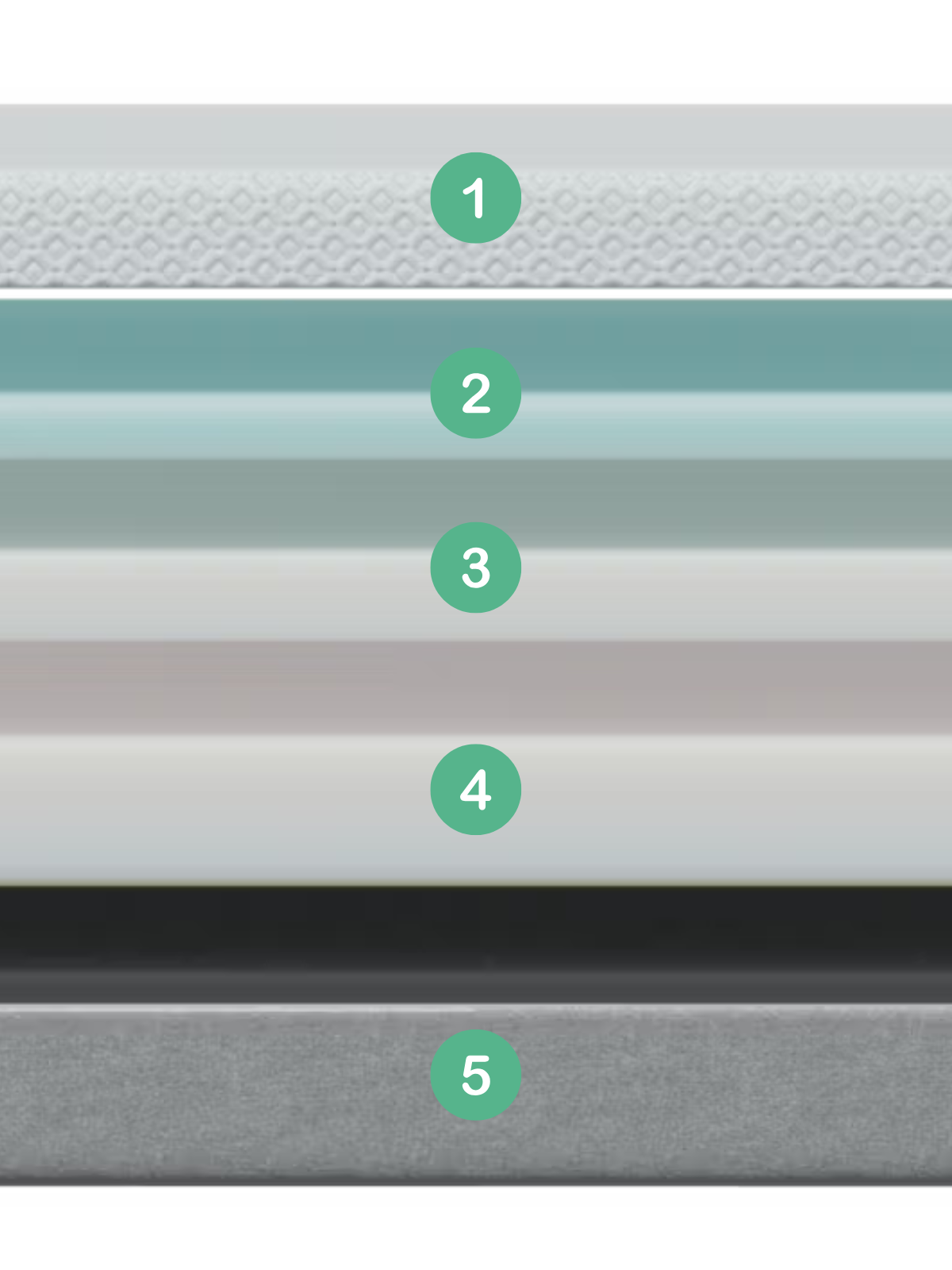
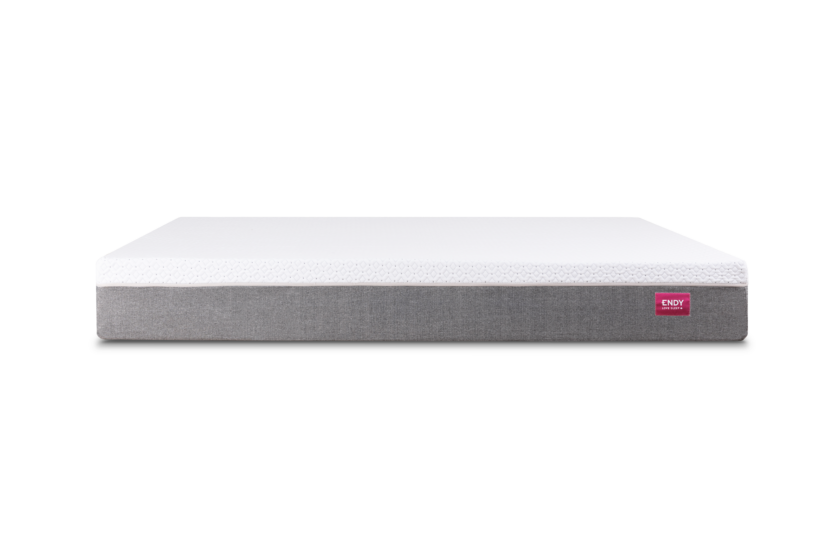
The Endy Mattress is built from three carefully engineered foam layers — plus a temperature-neutral base — each contributing to the mattress’s outstanding performance across different sleeping positions and body weights. At 10 inches in height, the Endy’s profile reflects a more complete foam density and construction depth than the Juno’s 8″ build.
1. Micro Quilted Cover The micro quilted Cover is stretchy, breathable, and machine-washable, keeping your sleep surface fresh night after night. Its easy-zip removal makes mattress maintenance effortless — a practical detail that many competing all foam mattresses, including the Juno, don’t match.
2. Endy Comfort Foam (Top Layer) The top layer is Endy’s proprietary open-cell foam, infused with cooling gel. Unlike traditional memory foam, which traps body heat, the Endy Comfort Foam’s open-cell structure allows air to circulate freely while the cooling gel actively draws heat away from your body. This comfort layer is responsive, adaptive, and immediately noticeable when you first lie down — cradling the body without the slow-reCovery sensation of conventional traditional memory foam.
3. Transition Layer (Middle Layer) Beneath the Endy Comfort Foam sits a dedicated transition foam layer that bridges the gap between the soft top and the firm support base. This transition layer is the key to the Endy’s superior pressure relief — gently cradling the hips and shoulders without allowing the body to sink too deeply. It also plays a critical role in motion isolation, absorbing movement before it travels across the sleep surface. The absence of this transition layer in the Juno Mattress is one of the most significant construction gaps between these two foam mattresses.
4. Support Foam (Base Layer) The high-density support foam base ensures long-term durability and structural integrity. This support foam keeps the Endy feeling consistent night after night, year after year, and contributes significantly to its reliable edge support. Its foam density is meaningfully greater than the Juno’s base layer — a key reason the Endy outperforms the Juno for heavier back sleepers and stomach sleepers.
5. Temperature-Neutral Foam Unlike some memory foam mattress options that change firmness with room temperature, the Endy maintains a consistent medium firm feel across all Canadian seasons — a meaningful advantage for Canadian sleepers dealing with dramatic seasonal temperature swings.
Juno
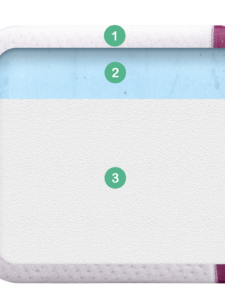
The Juno Mattress is a two-layer memory foam mattress with an 8″ profile, making it one of the thinnest all foam mattresses in the Canadian market.
1. Breathable Knit Cover The Juno features a breathable knit Cover that provides a soft, basic sleep surface. Unlike the Endy’s micro quilted cover, the breathable knit Cover of the Juno Mattress is flat and unfeatured — contributing little to cooling gel technology performance or comfort at the sleep surface. An optional cooling cover is available for an additional fee, but purchasing a quality mattress protector achieves a similar effect and better long-term value.
2. 2″ Cooling Gel Foam (Comfort Layer) The Juno Mattress’s gel infused foam layer is a 2″ cooling gel foam designed to dissipate body heat faster than traditional memory foam. The brand reports this gel technology dissipates heat 28% faster than standard memory foam — a genuine selling point for hot sleepers who sleep hot. However, at just 2″ in depth, this cooling gel foam layer also serves as the transition layer between the sleep surface and the support base, a dual role that limits both its sustained cooling performance and its pressure relief effectiveness for most sleepers.
3. 6″ Support Foam (Base Layer) The 6″ poly foam support base provides the structural foundation of the Juno Mattress. Without a dedicated transition layer above it, heavier back sleepers and stomach sleepers are more likely to feel this support foam directly — increasing the risk of pressure buildup and compromised spinal alignment over the course of a night. The Juno Mattress’s foam density at the base is functional for lighter-weight sleepers, but falls short of the Endy Mattress for sustained nightly support.
The most important construction difference between the Juno and Endy mattresses is the Endy’s dedicated three-layer system versus the Juno’s two-layer construction. The Endy’s separate transition layer is what enables its exceptional pressure relief and near-perfect motion isolation — qualities the Juno Mattress simply cannot replicate with its simplified build. Studies have shown that medium firm mattresses with dedicated comfort and transition foam layers promote better sleep quality and alleviate back pain. The Endy Mattress is purpose-built to deliver that; the Juno Mattress is not.
Comfort and Performance
The Endy Mattress
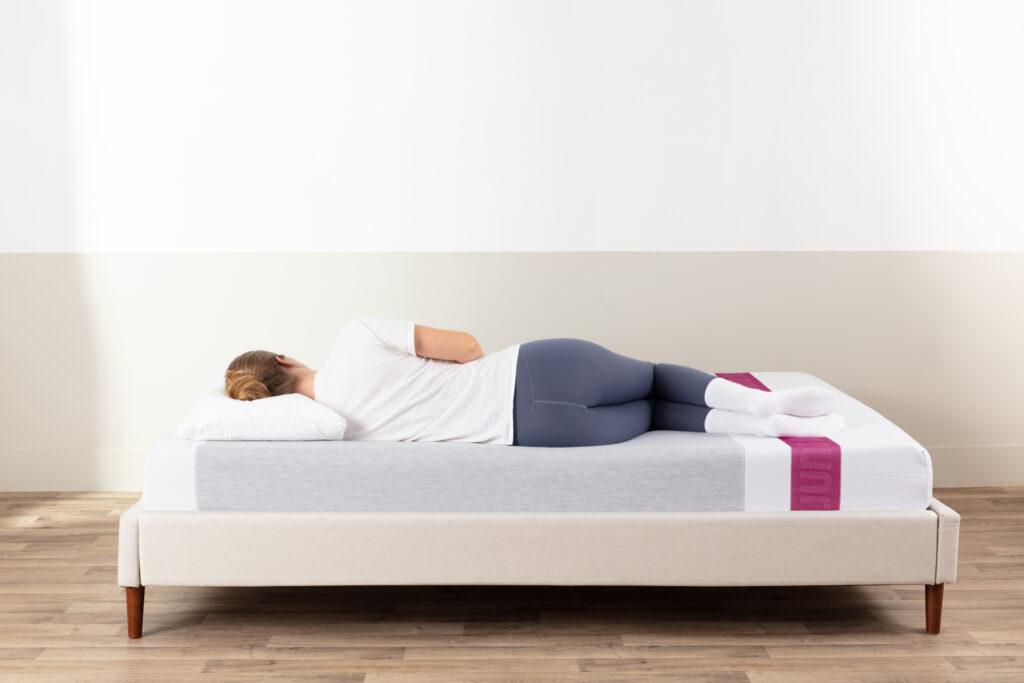
Juno
Sleeping Positions: How Do Both the Endy and Juno Mattresses Perform?
Side Sleepers
Side sleepers require generous pressure relief at the hips and shoulders to maintain proper spinal alignment. The Endy Mattress excels here — its Endy Comfort Foam and dedicated transition layer work together to cradle these key pressure points while preventing over-sinking. Side sleepers consistently ranked the Endy among the best all foam mattresses they’d tested across different sleeping positions. The Juno mattress offers some initial surface cushioning for lightweight sleepers, but its thin 2″ gel foam layer cannot deliver adequate pressure relief for average and heavier side sleepers at the shoulder and hip — making it a risky choice for this sleeping position at most body weights.
Back Sleepers
Back sleepers need a foam mattress that supports the lumbar region without allowing the hips to sink too deeply. The Endy Mattress is ideal for back sleepers — its medium firm construction holds the hips level, preventing the lower back from sinking into spinal misalignment, while the transition layer distributes weight evenly across the lumbar zone. The Juno mattress can work for lighter weight back sleepers, but its lack of a dedicated transition foam layer means heavier back sleepers are more likely to feel the support foam directly — increasing the risk of pressure buildup and poor spinal alignment throughout the night.
Stomach Sleepers
Stomach sleepers generally need a firmer surface to prevent hip sinkage and maintain spinal alignment. The facts here are nuanced: the Juno Mattress’s firmer support foam base can be adequate for very lightweight stomach sleepers who need a more surface-level firmness without deep contouring. However, the Endy Mattress handles the full range of stomach sleepers more reliably — its medium firm construction prevents excessive hip sinkage, and its Firm option provides even greater lumbar support for those who need it. With no firm version available, the Juno mattress offers stomach sleepers no flexibility. For stomach sleepers of average or above-average body weight, the Endy is the clear choice.
Hot Sleepers
Temperature regulation is one of the most discussed differences between these two foam mattresses. The Juno Mattress uses a gel infused top layer with cooling gel technology that the brand reports dissipates heat 28% faster than traditional memory foam — a genuine advantage for hot sleepers who sleep hot and prioritize surface cooling. However, the Endy Mattress’s open-cell Endy Comfort Foam combined with cooling gel maintains a measured surface temperature of 15.4°C in our testing — a result that reflects sustained overnight temperature regulation rather than just initial surface cooling. For hot sleepers who want reliable cooling throughout a full night, the Endy Mattress’s foam construction delivers the more complete solution.
Motion Isolation: A Critical Test for Co-Sleepers
Endy Mattress Motion Isolation
Juno Mattress Motion Isolation
Pressure Relief: Where the Endy Truly Shines
If there’s one category that most clearly defines the gap in this Juno mattress review comparison, it’s pressure relief. The Endy Mattress earned a perfect 10/10 — its multi-layer foam system with a dedicated transition layer distributes weight evenly and cushions pressure points at the hips, shoulders, and lumbar region across all sleeping positions and body weights. Testers across every body weight profile reported waking without soreness, stiffness, or joint discomfort.
The Juno Mattress scored just 3/10 for pressure relief — its 2″ cooling gel foam comfort layer is too thin to provide adequate pressure relief for most sleepers beyond very lightweight profiles. For average and heavier sleepers, the absence of a dedicated transition layer is a serious construction limitation. The Endy Mattress’s pressure relief performance is one of the clearest reasons it earns our recommendation as the stronger value mattress for nightly use.
Edge Support
Edge support determines how much of the mattress surface you can realistically use and how stable the foam bed feels when sitting or sleeping near the perimeter.
The Endy Mattress delivers impressive edge support — its high-density support foam base maintains structure right to the perimeter, meaning you can sit or sleep at the edge without feeling unstable. Our testers rated edge support a full 10/10 on the Endy Mattress.
The Juno Mattress has no reinforced border or dedicated edge support system. Heavier testers noticed significant sinkage when sitting or lying near the perimeter — a predictable limitation of a thin, two-layer foam bed without edge reinforcement. This limits the Juno’s usable sleep surface area, particularly for couples or heavier sleepers who use the full width of their mattress.
Breathability and Cooling
The Endy Mattress
The Endy Mattress uses open-cell foam technology throughout its Endy Comfort Foam layer. Unlike traditional closed-cell memory foam, this open-cell structure allows air to flow freely through the foam layers while the cooling gel actively draws heat away from the sleeper. The result is sustained temperature regulation across a full night — maintaining a measured 15.4°C surface temperature in our testing. The Endy Mattress also maintains a consistent medium firm feel across all Canadian seasons, thanks to its temperature-neutral foam base.
Juno Mattress
The Juno mattress offers a cooling gel foam layer with gel technology designed to dissipate heat faster than traditional memory foam. For hot sleepers who sleep hot, this gel infused foam layer does provide a cooler initial sleep surface than a basic memory foam mattress. However, the thin 2″ cooling gel foam layer’s dual role as both comfort layer and transition layer limits its sustained cooling performance over a full night of sleep. The Juno mattress also offers an optional cooling Cover upgrade for additional temperature regulation — though a quality mattress protector achieves a similar effect at a comparable cost.
Firmness Options: Flexibility Matters
The Endy Mattress is offered in three firmness levels — Plush, Medium-Firm, and Firm — giving sleepers the flexibility to find the right fit for their body weight, sleeping positions, and preferences. Whether you’re a side sleeper who needs a plush surface, a back sleeper who needs medium firm support, or a stomach sleeper who needs maximum firmness, there’s an Endy Mattress built for you. The Endy Hybrid Mattress is also available for sleepers who want the added bounce and airflow of pocketed coils.
The Juno Mattress comes in a single medium firm mattress configuration only. If the feel doesn’t suit your body or sleep style, your only option is the 120 night sleep trial — significantly shorter than Endy’s 365-night sleep trial. This lack of flexibility is a meaningful risk for any mattress purchase.
Accessories: Completing Your Sleep Setup
Mattress Protector: The Endy Mattress comes with a FREE bedding bundle that includes a waterproof mattress protector — protecting your investment from day one and supporting the 15-year warranty. The Juno mattress offers a complimentary bedding bundle with purchase as well, but does not include a dedicated mattress protector or pillow protector — meaning you’ll need to budget for these separately to maintain the long-term integrity of the Juno bed.
Sheet Set and Pillow Protector: The Endy’s free bedding bundle includes hypoallergenic sheets, pillows, and a duvet — a complete sleep setup at no extra cost. The Juno mattress offers a basic free bedding bundle, but does not include a pillow protector. For the most complete sleep setup, the Endy’s included accessories represent meaningfully better value.
Mattress in a Box Delivery: Both the Endy and Juno are delivered as a rolled up mattress in a bed in a box, compatible with most bed frames and platform bases. The Endy Mattress expands fully within hours of unboxing with minimal off-gassing. Our Juno testers noted an off-gassing smell that persisted for up to 21 days — worth factoring in if you’re sensitive to new mattress odours or concerned about air quality.
Sleep Trial and Warranty
The Endy Mattress comes with a 365-night sleep trial — a full year to evaluate whether it’s the right foam mattress for your sleeping positions and sleep styles. The Juno mattress offers a 120 night sleep trial, which provides a more limited window to assess fit across all seasons and body positions.
On warranty, both the Endy Mattress and the Juno Mattress are backed by a 15-year warranty — a strong commitment from both brands to the long-term durability of their foam construction. Both offer free return pickup during their respective sleep trial periods, making either mattress purchase risk-free within the trial window. The Endy’s dramatically longer sleep trial — 365 nights versus 120 nights — gives Canadian sleepers significantly more confidence and time to evaluate their new mattress.
What Do Customers Say?
The Endy Mattress has earned the trust of over 1,000,000 Canadian sleepers, with a 4.9/5-star rating based on over 33,000 verified customer reviews — reflecting consistent sleep quality and performance across a wide range of sleep styles and sleeping positions. The Juno Mattress has limited independent verified reviews on major review platforms, making it more difficult to assess long-term reliability with confidence. For a mattress purchase of this size, the depth and volume of verified social proof behind the Endy Mattress is a meaningful consideration.
Conclusion
The Endy
- 365 night sleep trial and 15 year warranty
- A FREE bedding bundle (sheets, pillows, duvet, and mattress protector) worth $550+
- Superior pressure relief across all sleeping positions and body weights
- Perfect 10/10 motion isolation for co-sleepers and light sleepers
- Sustained temperature regulation with cooling gel open-cell foam
- Three firmness options to choose from — Plush, Medium-Firm, and Firm
- Award-winning mattress, with accolades from Ottawa Life Magazine, BrandSpark, and Connections
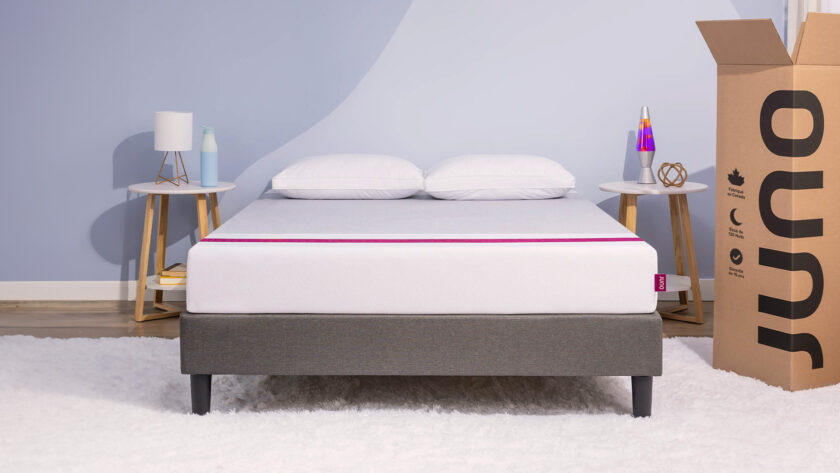
Juno
- Are comfortable with a 120 night sleep trial and a single medium firm firmness option
- Prioritize initial surface cooling from gel technology over sustained overnight regulation
The Endy Mattress is the better mattress.
Whether you're a side sleeper seeking deep pressure relief, a back sleeper looking for spinal support, a stomach sleeper who wants a firmer option, or a hot sleeper desperate for a cooler night's rest, the Endy Mattress delivers. Its foam layers are thoughtfully engineered, its comfort layer is genuinely impressive, its Endy Comfort Foam and cooling gel combination is one of the best in class among Canadian mattresses, and its motion isolation is as close to perfect as any foam mattress we've tested.
The Juno mattress does come in at a lower price across all sizes. However, when you factor in the longer sleep trial, stronger warranty, superior pressure relief, better motion isolation, and overall performance across our mattress reviews, the Endy Mattress represents the better long-term value. A restful sleep, night after night, for 15 years, is worth the difference in price.
The Juno is a decent all foam mattress at a competitive price, and it will provide an adequate good sleep for many sleepers. But if you want a good night's sleep that is consistently comfortable, cool, and supportive — and you want a mattress that backs that up with a 365-night sleep trial and a 15-year warranty — the Endy Mattress is the clear choice in the Endy vs Juno matchup.
For Canadian sleepers looking for the perfect mattress, the Endy Mattress earns our highest recommendation.
ADVERTISEMENT