


What Is the Best Sleeping Position?: Find the Best Sleep Position For You
So, what is the best sleeping position? For most healthy adults, sleeping on your side — particularly your left side — is the position most consistently supported by sleep medicine research. It keeps your airway open, reduces acid reflux symptoms, supports spinal alignment, and is recommended across a wide range of health conditions. That said, the right sleep position for you depends on your individual health needs, any existing pain or medical conditions, and what allows you to achieve genuinely restful sleep night after night.
This guide covers every major sleep position, what the evidence says about each one, and how to find the best sleeping position for your specific situation.
Why Your Sleeping Position Matters for a Good Night’s Sleep
Sleeping position matters far more than most people realise. The position you spend six to nine hours in each night directly influences your breathing, spinal alignment, digestion, and pain levels — and by extension, your sleep quality across the entire night.
Breathing is one of the most position-sensitive functions during sleep. Back sleeping allows the tongue and soft tissue of the throat to fall backward under gravity, narrowing the airway and increasing the risk of snoring and sleep apnea. Side sleeping naturally keeps the airway open, which is why sleep medicine consistently recommends it for people with obstructive sleep apnea and position-dependent snoring.
Spinal alignment is equally position-dependent. An unsupported sleep posture — such as stomach sleeping, which twists the neck and flattens the lumbar curve — creates strain across the spine, hips, and shoulders that accumulates over hours. A supported sleep position keeps the spine in a neutral natural curve, reducing morning stiffness and the progression of non-specific spinal symptoms over time.
Acid reflux, shoulder pain, back pain, hip pain, and even facial wrinkles are all meaningfully affected by sleep posture. Sleeping position matters because the body isn’t passive during sleep — it’s actively repairing tissue, consolidating memory, and regulating hormones, and doing all of that against the background of sustained mechanical pressure from whichever position you’ve settled into.
Quick Comparison of the Best Sleeping Positions
Here’s a quick overview of how each popular sleep position performs across the metrics that matter most for health and comfort:
| Position | Spine | Breathing | Reflux | Best For |
| Side (Left) | Good | Good | Best | Most adults, pregnancy, reflux, apnea |
| Side (Right) | Good | Good | Caution | General comfort, hip/knee pain relief |
| Fetal Position | Moderate | Good | Good | Side sleepers preferring a curled posture |
| Back Sleeping | Best | Caution | Caution | Back pain, neck pain, facial wrinkles |
| Stomach Sleeping | Poor | Moderate | Poor | Snoring only — not generally recommended |
Side sleeping is the most popular sleep position overall — more than 60% of adults sleep on their side — and it ranks best across the widest range of health outcomes. Back sleeping offers the best spinal alignment but worsens breathing for snorers and apnea sufferers. Stomach sleeping is generally considered the worst sleeping position for spinal health and should be modified where possible.
When to prioritise comfort over ideal:
If you have no specific health conditions driving a position recommendation, comfort is a legitimate primary criterion. The best sleeping position is ultimately the one that consistently delivers a good night’s sleep for your body.
Side Sleeping
Side sleeping is widely considered the best sleeping position for overall health. More than 60% of adults sleep predominantly on their side, making it by far the most popular sleep position — and the research supports its popularity. Side sleeping keeps the airway open, supports digestion, reduces acid reflux, and when set up correctly with appropriate pillow support, maintains good spinal alignment throughout the night.
The fetal position — side sleeping with knees drawn up toward the chest — is a popular variation. It feels instinctively comforting and has the same airway benefits as standard side sleeping. The main consideration with the fetal position is that a very tight curl can create strain on the lower back and restrict deep breathing. A loose, relaxed version of the fetal position with knees slightly bent rather than fully drawn up delivers the comfort benefits with fewer mechanical downsides.
Sleeping on your left side specifically offers distinct advantages over sleeping on your right side. The position of the stomach and the angle of the gastroesophageal junction means that sleeping on your left reduces the backflow of stomach acid into the oesophagus — making left-side sleeping the best sleeping position for people with acid reflux and Gastroesophageal Reflux Disease (GERD). Sleeping on your left also improves blood flow to the placenta during pregnancy, which is why left-side sleeping is the standard recommendation from the second and third trimesters onward.
Pillow Setup for Side Sleeping
- Use a supportive pillow thick enough to fill the gap between your ear and shoulder — this keeps the cervical spine neutral and prevents neck pain
- Place a body pillow or firm pillow between your knees to align your hips, reduce pressure on the lower back, and prevent the top knee from dropping forward
- If you experience shoulder pain on the side you’re lying on, a slightly softer mattress surface or a thin pillow under the shoulder can relieve pressure
How to Fall Asleep on Your Side
- Set up your pillow support before getting into bed so the position is immediately comfortable
- Place your phone or book on a bedside table rather than holding it, which encourages upper body rotation away from a neutral side position
- Start in a loose fetal position and let your body relax into a straighter alignment naturally as you drift off
Mattress for Side Sleepers
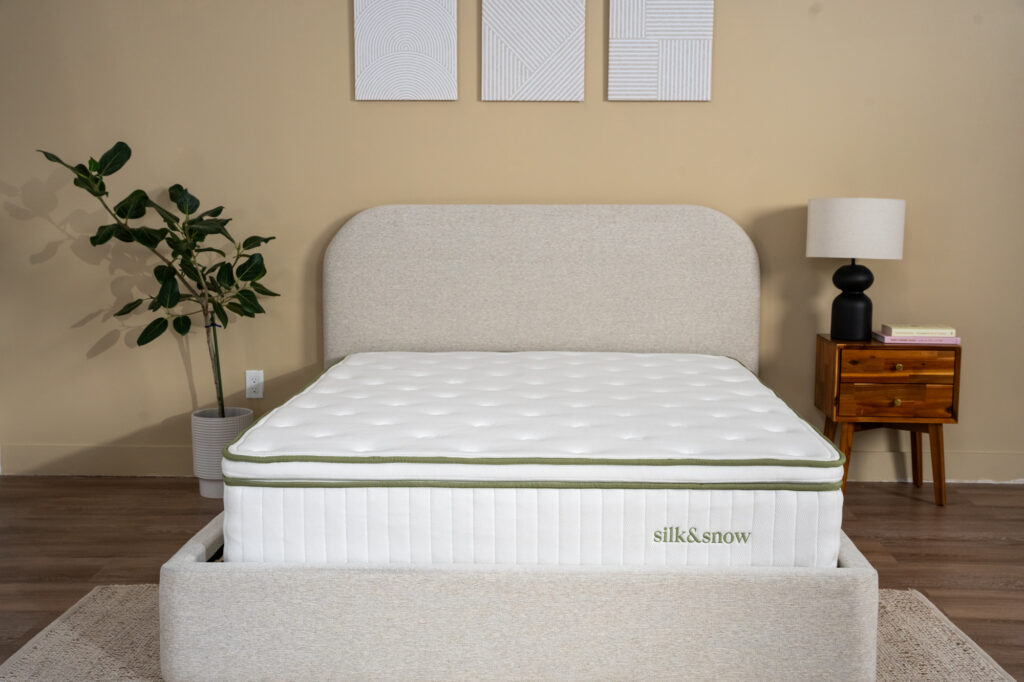
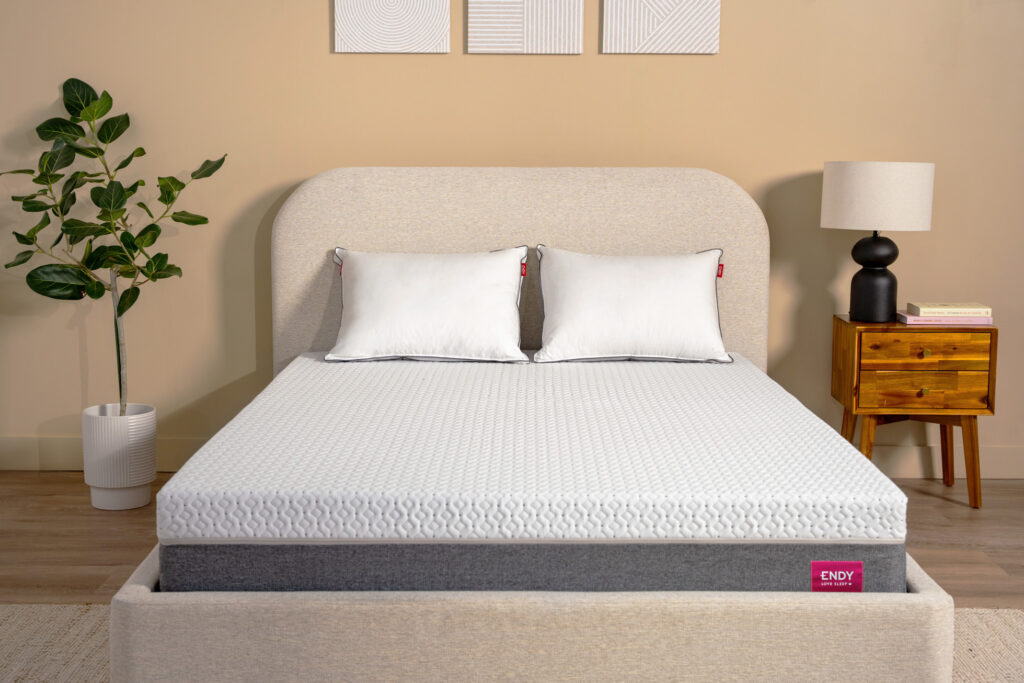
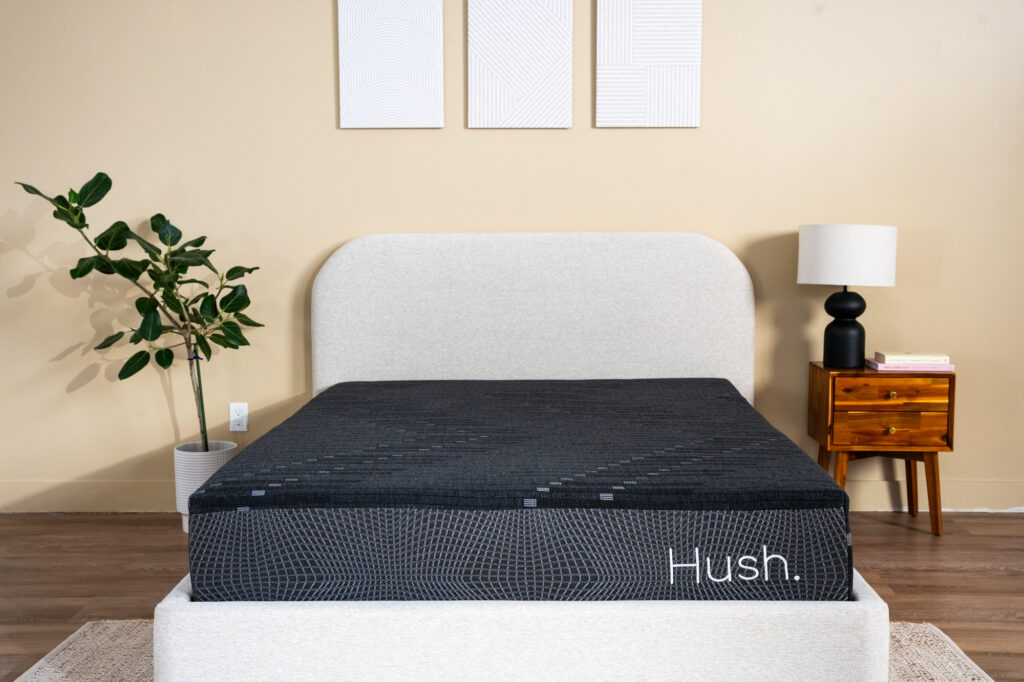
Side sleepers benefit most from a medium to medium-soft mattress that contours to the hips and shoulders rather than creating pressure points at those contact zones. Memory foam and latex mattresses are strong choices for side sleeping because they redistribute pressure across a broader surface area. A mattress that is too firm for a side sleeper creates concentrated pressure at the hip and shoulder that can cause pain and disrupt sleep quality through the night. Read our roundup of the Best Mattresses for Side Sleepers 2026.
Our Mattress Picks for Side Sleepers:
Back Sleeping
Back sleeping is the second most popular sleep position and offers the best spinal alignment of any sleep posture when set up correctly. Sleeping on your back distributes body weight evenly across the mattress surface, keeps the spine in its natural curve without twisting or lateral compression, and reduces pressure on the internal organs. Back sleepers also report fewer facial wrinkles over time, since the face isn’t pressed against a pillow surface for hours each night.
For back pain specifically, sleeping on your back with a pillow placed under the knees is one of the most consistently recommended positions in sleep medicine. The knee pillow slightly flexes the hips, which reduces lumbar strain and allows the lower back muscles to fully relax. A thin pillow or cervical roll under the neck (rather than a thick, high pillow that pushes the head forward) maintains the natural cervical curve and prevents neck pain.
The significant drawback of back sleeping is its effect on breathing. When you sleep on your back, gravity pulls the tongue, soft palate, and throat muscles backward, narrowing the upper airway. This worsens snoring and sleep apnea in most affected individuals — approximately 50% of people with obstructive sleep apnea are primarily affected by back sleeping, a pattern called position-dependent snoring or positional obstructive sleep apnea. If you snore or have been diagnosed with obstructive sleep apnea, sleeping on your back is the one sleep position to consistently avoid.
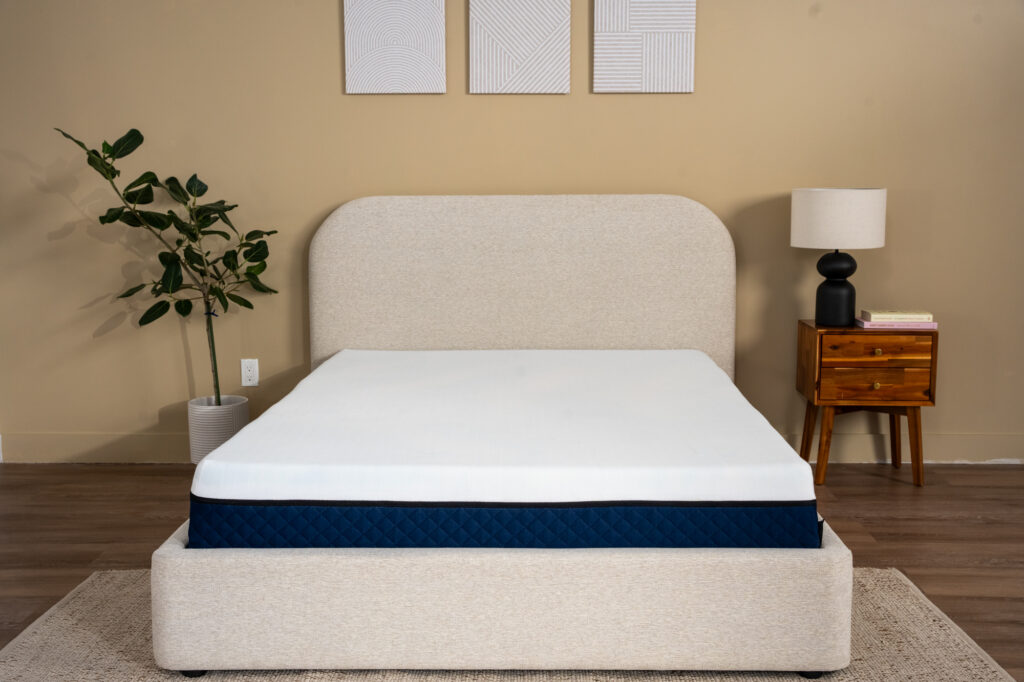
Mattress for Back Sleepers
Back sleepers generally do best on a medium-firm to firm mattress that supports the lumbar region without allowing the hips to sink too deeply into the surface. A mattress that is too soft for back sleeping allows the lower back to sag, flattening the lumbar curve and increasing strain on the intervertebral discs over the course of the night.
Our Mattress Picks for Back Sleepers:
Stomach Sleeping
Stomach sleeping is widely considered the worst sleeping position for spinal and musculoskeletal health, and it’s the sleep position most consistently flagged in sleep medicine guidance as one to avoid or modify. That said, a meaningful minority of adults sleep in the prone position and find it their most comfy position — so understanding both the risks and the mitigations is more useful than a blanket prohibition.
The one scenario where stomach sleeping has a genuine benefit is mild snoring. Sleeping face-down keeps the tongue from falling back and partially obstructing the airway — which is why some light snorers find that stomach sleeping reduces their snoring. However, for clinical sleep apnea, stomach sleeping is not a reliable solution and is generally not recommended by sleep medicine practitioners.
The drawbacks are significant. Stomach sleeping requires turning the head to one side for the entire night, placing sustained rotational strain on the cervical spine and contributing to neck pain. The prone position also flattens the lumbar curve, increases compressive load on the lumbar spine, and forces the lower back into sustained hyperextension. Over time, consistent stomach sleeping is associated with non-specific spinal symptoms, chronic back pain, and shoulder pain from the arm position required.
Stomach sleeping also contributes to facial wrinkles from sustained pillow pressure on the cheek and forehead, and can worsen acid reflux by increasing abdominal pressure.
Mattress and Pillow Tweaks for Stomach Sleepers
- Use a very thin pillow or no pillow at all under the head to reduce neck hyperextension — a thin pillow keeps the cervical spine closer to neutral
- Place a small pillow under the pelvis and lower abdomen to slightly raise the hips and reduce lumbar hyperextension
- A firmer mattress works better for stomach sleeping than a soft one, as it prevents excessive hip sinkage that increases lumbar strain
- If switching sleep positions is the goal, using a body pillow along the front of the body can make side sleeping feel more secure and reduce the urge to roll prone
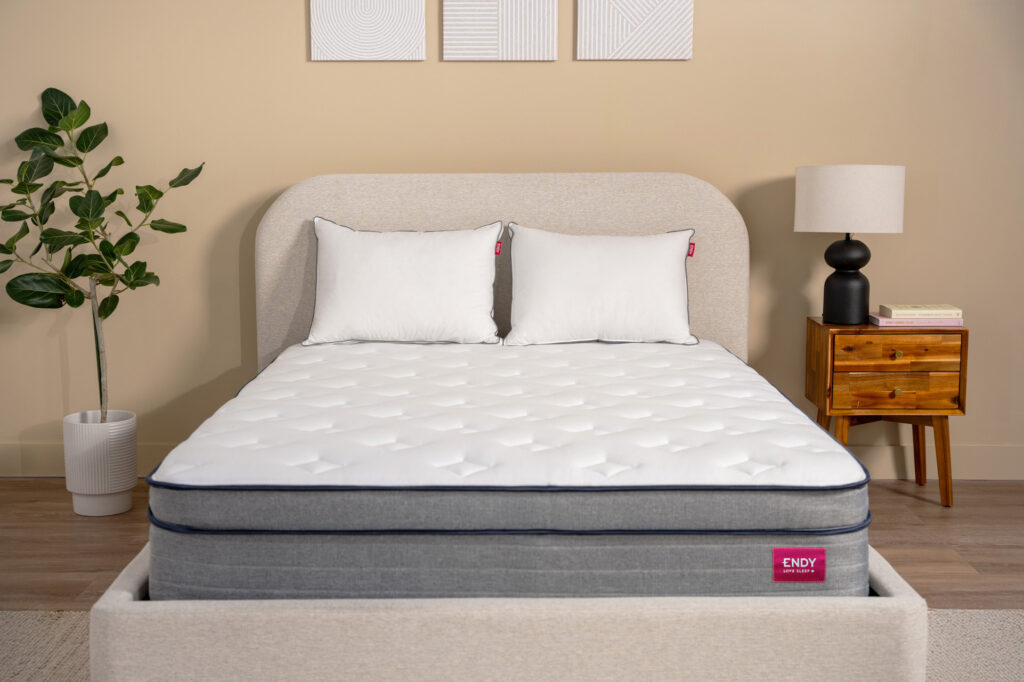
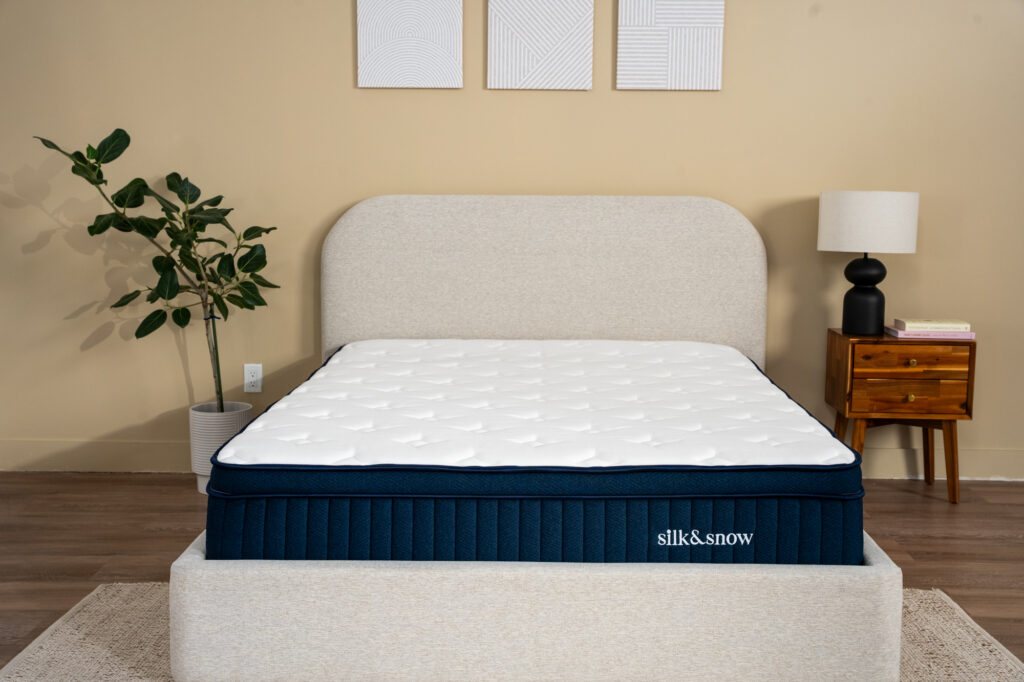
Our Mattress Picks for Stomach Sleepers:
Combination Sleepers
Most adults do not maintain one sleep position throughout the entire night. Nocturnal body movements are a normal part of healthy sleep — the body shifts position to relieve pressure, regulate temperature, and respond to changes in sleep stage. Nocturnal body movements based on polysomnography studies occur roughly 40–70 times per night in most adults. Combination sleepers are those who move significantly between two or three positions as a consistent pattern.
Typical combination-sleeper patterns include starting on the side and rolling to the back in the second half of the night, alternating between left and right sides, or beginning on the back and shifting to a side or fetal position after waking briefly. This flexibility is normal and often beneficial — it distributes pressure across different body areas rather than concentrating it in one sleep position for the entire night.
The main consideration for combination sleepers is ensuring pillow and mattress setup supports the transition between positions without requiring manual adjustment mid-night. A body pillow positioned along the front of the body can make side-to-side transitions more comfortable. A supportive pillow with a medium loft handles both side and back positions better than a very high or very low one.
For mattresses, combination sleepers benefit most from a medium-firm option with responsive materials — memory foam can feel restrictive when changing positions because of its slow recovery, while a more responsive latex or hybrid mattress allows easier movement. The ideal mattress for a combination sleeper provides enough contouring for side-sleeping comfort without the deep sinkage that makes repositioning effortful.
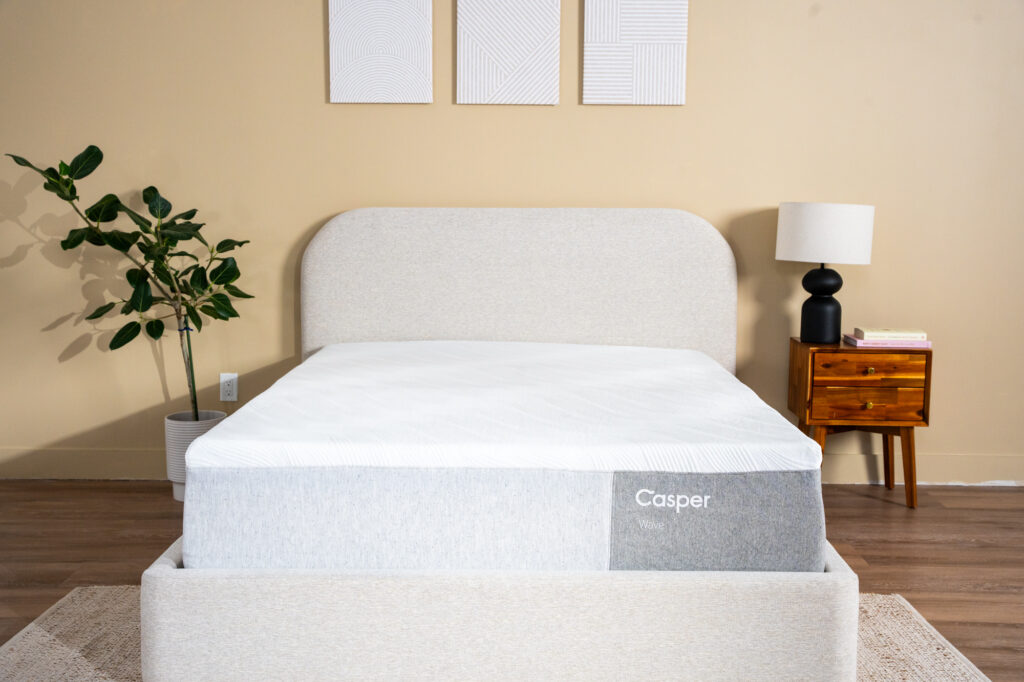
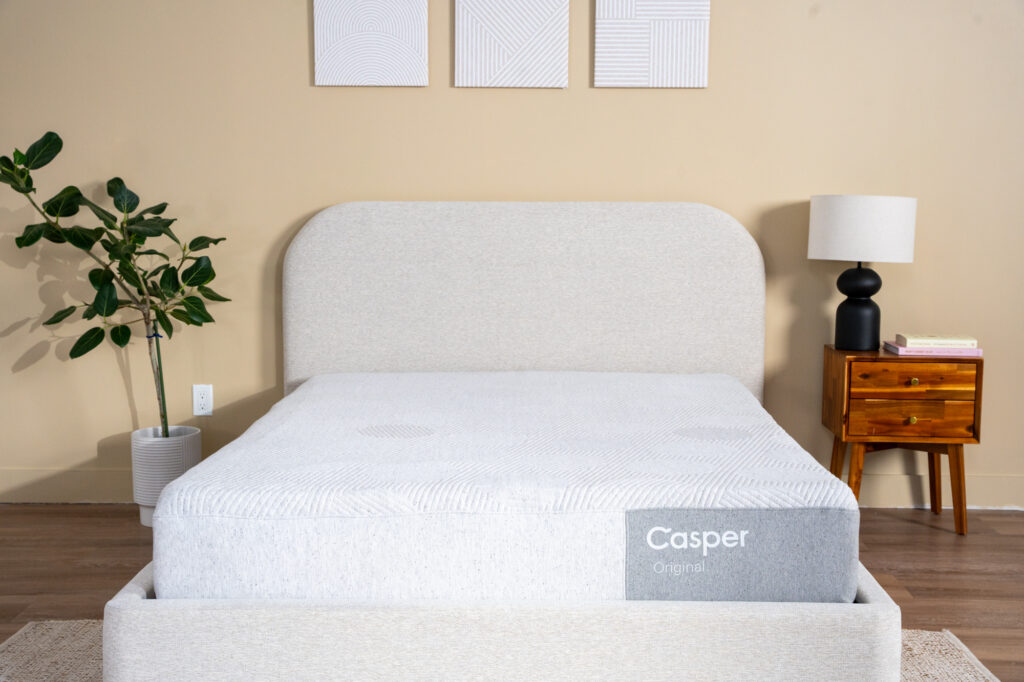
Our Mattress Picks for Combination Sleepers:
Best Sleeping Position for Specific Health Conditions
The right sleep position shifts significantly depending on individual health conditions. Below are evidence-based recommendations for the most common scenarios. Where a condition is complex, persistent, or worsening, consult a clinician before relying solely on positional changes — sleep position is one tool among several, not a substitute for medical treatment.
Acid Reflux and GERD — Why the Left Side Helps
Gastroesophageal reflux disease affects a significant proportion of adults and is highly position-sensitive. Sleeping on your left side is the best sleeping position for acid reflux because of the anatomy of the stomach — the gastroesophageal junction sits on the right side of the body, and left-side sleeping keeps the stomach below the oesophagus, reducing the likelihood that stomach acid backflows upward.
Sleeping on your right side has the opposite effect: it positions the gastroesophageal junction lower than the body of the stomach, making acid reflux significantly more likely. Back sleeping also worsens reflux in many people, as the horizontal position removes the gravitational barrier to stomach acid rising into the oesophagus.
For persistent gastroesophageal reflux disease, elevating the head of the bed by 15–20 cm (six to eight inches) using a wedge pillow or bed risers adds a gravitational component that meaningfully reduces nocturnal reflux. This is more effective than simply adding extra pillows under the head, which can create neck flexion without truly elevating the upper body. If reflux is disrupting your sleep quality despite positional changes, medical evaluation and treatment are warranted — lifestyle modifications alone are insufficient for moderate to severe gastroesophageal reflux disease.
Back Pain — Best Sleep Position and Pillow Fixes
Back pain and sleep position have a bidirectional relationship — a poor sleep position can worsen existing back pain, and back pain frequently disrupts sleep quality by making it impossible to find a comfy position that doesn’t load the painful area.
For most lower back pain, two positions stand out. Sleeping on your back with knees slightly bent and a pillow placed under the knees reduces lumbar load and allows the paraspinal muscles to relax fully — this is the most commonly recommended position in sleep medicine for lower back pain. Sleeping on your side with knees bent and a pillow between the knees is equally effective and may be more comfortable for those who find back sleeping triggers discomfort.
Avoid sleeping on your stomach if you have back pain — the prone position is consistently associated with increased lumbar strain and is considered one of the worst sleeping positions for anyone with existing spinal symptoms.
Mattress firmness matters too: a mattress that is too soft allows the hips to sink into a lateral tilt during side sleeping, creating torsional load on the lumbar spine through the night. A medium-firm mattress generally provides the best balance of support and pressure relief for people with back pain, though individual body weight and preferred sleep position should guide the final choice. Read our roundup of the Best Mattresses for Back Pain 2026.
Our Mattress Picks for Back Pain:
Hip or Knee Pain — Side Sleep and Pillow Hacks
Hip or knee pain during sleep is most commonly aggravated by side sleeping without adequate support between the legs. When the top knee drops forward and downward during side sleeping, it creates internal rotation at the hip and torsional stress at the knee — both of which can cause or worsen joint pain through the night.
The solution is straightforward: place a pillow between the knees when sleeping on your side to keep the hips stacked and the spine aligned. A body pillow works particularly well because it supports the full length of the upper leg rather than just the knee joint. For people with significant hip pain, alternating sides through the night reduces cumulative pressure on the symptomatic hip — don’t stay on the painful side all night.
For knee pain specifically, a wedge pillow or rolled blanket under the knees during back sleeping can relieve pressure and keep the knee in a slightly flexed position that reduces joint stress. If hip or knee pain is severe enough to regularly disrupt sleep, orthopaedic evaluation is appropriate — positional modification can help, but it doesn’t address the underlying cause.
Sleep Apnea and Snoring — Avoid Back Sleeping
For both snoring and obstructive sleep apnea, sleep position is one of the most powerful non-pharmacological interventions available. Back sleeping is the worst sleeping position for airway-related sleep disorders — it allows gravity to narrow the upper airway by drawing the tongue and soft palate backward, increasing both snoring frequency and the severity of apnoeic events.
Side sleeping is consistently recommended as the best sleeping position for obstructive sleep apnea. Research indicates that approximately 50% of people with obstructive sleep apnea have position-dependent snoring and apnoea — meaning their sleep disorders are significantly worse or occur exclusively during back sleeping. For this group, positional therapy alone (training or restricting back sleeping) can produce meaningful reductions in apnoea-hypopnoea index scores.
Head elevation is an alternative strategy for those who cannot maintain side sleeping — raising the upper body by 30–45 degrees reduces airway collapse in some individuals. For CPAP users, sleep position also affects mask seal and comfort: certain mask styles work better with specific sleep positions, so discuss position-related mask fit with your sleep medicine team if this is a recurring issue.
Pregnancy — Left Side and Fetal Position Advice
Sleep position during pregnancy is one of the most actively discussed topics in obstetric sleep medicine. From the second and third trimesters onward, sleeping on your left side is the standard recommendation from most obstetric guidelines. Left-side sleeping improves blood flow to the placenta, reduces pressure on the inferior vena cava (the large vein that returns blood from the lower body to the heart), and is associated with better fetal outcomes compared to back sleeping in late pregnancy.
The fetal position — sleeping on your left side with knees gently bent — is both comfortable and mechanically appropriate during pregnancy. A pregnancy pillow or body pillow placed between the knees and under the abdomen supports the weight of the growing belly, reduces hip strain, and makes the position much easier to maintain through the night.
If discomfort develops on the left side, briefly alternating to the right side is preferable to rolling fully onto the back. The key recommendation from sleep medicine is to avoid sleeping on your back in the third trimester, particularly for extended periods — if you wake on your back during the night, simply roll back to your left side without alarm.
How to Train Yourself to Fall Asleep in a New Position
Changing your default sleep style is genuinely possible — it takes consistent practice over two to four weeks rather than a single determined night. Your body has conditioned associations with how sleep begins, and disrupting those associations initially feels uncomfortable even when the new position is objectively better.
- Use pillows to make the new position immediately comfortable before you attempt to fall asleep in it — discomfort in the first few minutes is the most common reason people abandon a new sleep position and revert to their default
- Practice the new sleep position during short afternoon naps first, where the pressure to fall asleep quickly is lower and you can focus on finding a genuinely comfortable setup
- When you wake at night and find yourself in your old position, gently move back to the new one without frustration — nocturnal position changes are normal, and consistent redirection over days and weeks gradually shifts your default
- Keep a brief sleep diary noting your position at bedtime, which position you wake in, and any pain or comfort changes — this makes progress visible and helps identify whether pillow adjustments are needed
Pillows, Mattresses, and Aids to Support Your Best Sleeping
The right support setup is what makes a good sleep position sustainable across an entire night.
Pillow Types by Sleep Position
- Side sleepers: a medium-to-high loft supportive pillow that fills the shoulder-to-head gap; a second pillow between the knees; a body pillow along the front body for additional support
- Back sleepers: a low-to-medium loft thin pillow under the head; a pillow under the knees to support the lumbar curve; a wedge pillow for acid reflux if needed
- Stomach sleepers: a thin pillow or no pillow under the head; a small pillow under the pelvis to reduce lumbar strain
Mattress Firmness by Body Type and Position
- Lightweight side sleepers (under 130 lbs / 60 kg): soft to medium — needs enough contouring to relieve pressure at hip and shoulder without bottoming out
- Average-weight side sleepers (130–200 lbs / 60–90 kg): medium — balances contouring and support
- Heavier side sleepers (over 200 lbs / 90 kg): medium-firm — prevents excessive hip sinkage that creates spinal misalignment
- Back sleepers: medium-firm to firm — supports lumbar curve and prevents hip sinkage
- Stomach sleepers: firm — prevents pelvis from sinking and increasing lumbar hyperextension
- Combination sleepers: medium-firm with responsive material (latex or hybrid) for ease of repositioning
Specialist Sleep Aids
- Wedge pillow: elevates the upper body for acid reflux or the knees for back pain; more effective than stacked regular pillows
- Body pillow: provides full-length front-body support for side and pregnancy sleeping
- Cervical pillow: contoured design specifically supports the neck during back sleeping
- Positional sleep devices: wearable positional alarms or backpack-style devices that create mild discomfort when rolling onto the back; evidence-based for positional obstructive sleep apnea
When to See a Doctor About Your Sleep Position
Sleep position adjustments resolve many mild discomfort and snoring issues without medical intervention. But certain patterns warrant professional evaluation rather than self-management.
- Seek prompt evaluation if your bed partner observes that you stop breathing, gasp, or choke during sleep — these are hallmark signs of obstructive sleep apnea, a sleep disorder that requires formal diagnosis and treatment
- Consult a clinician if pain that changes with sleep position (back pain, hip pain, neck pain, shoulder pain) persists for more than four weeks despite pillow and position adjustments — this may indicate an underlying musculoskeletal condition
- See a doctor if positional changes have not improved acid reflux symptoms within two to four weeks, or if reflux is severe, frequent, or associated with difficulty swallowing
- Discuss your sleep position with your obstetrician if you are in the third trimester of pregnancy and finding it difficult to maintain the recommended left-side sleep posture
Quick Tips and Takeaways for a Restful Night’s Sleep
- For most adults, sleeping on your left side is the best sleeping position — it supports breathing, reduces acid reflux, and maintains reasonable spinal alignment
- Choose comfort when no specific medical issues are present — the best sleep position is the one that delivers consistent, quality sleep for your body
- Prioritize spinal neutrality to reduce morning stiffness and prevent the accumulation of musculoskeletal strain over time
- Avoid sleeping on your back if you snore, have obstructive sleep apnea, are in the later stages of pregnancy, or have significant acid reflux
- Use pillows strategically — the right pillow setup makes almost any sleep position more sustainable
- If pain, poor sleep quality, or breathing symptoms persist after position and pillow adjustments, consult a healthcare provider — sleep medicine has effective tools for diagnosing and treating the underlying causes