


How to Choose a Mattress: A Practical Buying Guide

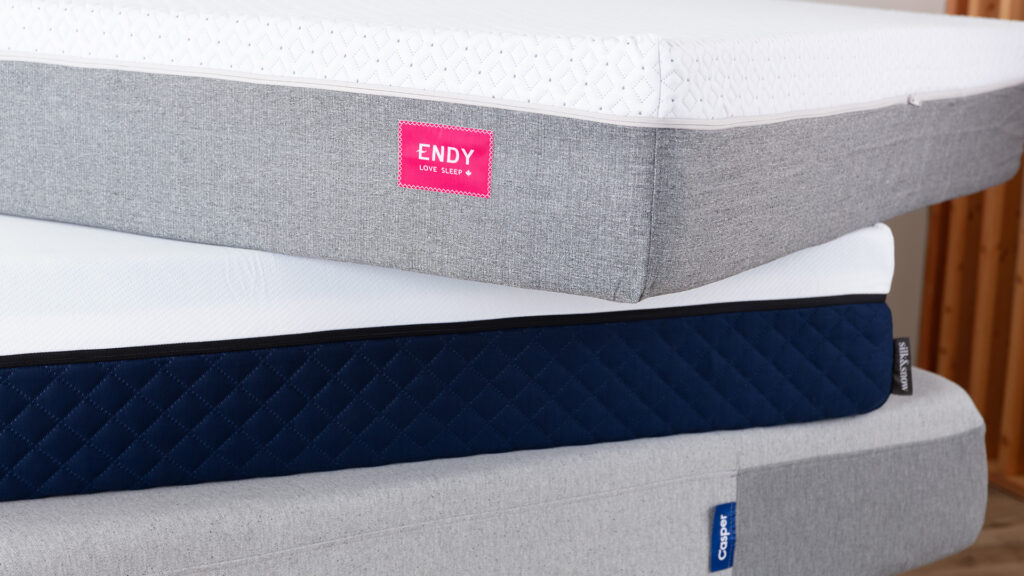
Buying a new mattress is one of the most important sleep decisions you’ll ever make — and somehow also one of the most confusing. Walk into any mattress store and you’ll be met with foam densities, coil counts, comfort layers, and a wall of firmness levels all promising the same thing: the best sleep of your life. The good news? Figuring out how to choose a mattress doesn’t have to feel like a master’s degree in sleep science. This mattress buying guide breaks down how to choose a mattress in eight clear steps — sleeping position, mattress type, size, firmness, features, budget, company policies, and where to buy — so you can find the right mattress for your needs without the stress or the pushy salesperson.
Whether you’re a side sleeper managing shoulder pain, a hot sleeper who kicks off the covers at 2 a.m., or a couple trying to agree on a mattress that works for two very different sleep styles, this guide is for you. We’ll also point you toward the Canadian brands we trust most at every price point along the way.
Step 1: Determine Your Sleeping Position
Before considering mattress types or brands, start with the single most useful piece of information you can bring to your mattress search: how you sleep. It dictates how your weight is distributed across the mattress, where pressure builds up, and how much support your spine needs to stay properly aligned through the night.
Back Sleepers
Back sleepers do best on medium to slightly firm mattresses — roughly a 5 to 7 on the firmness scale. This provides balanced support to keep the spine neutral while offering enough gentle contouring to cushion the lumbar region. Too soft, and the hips sink and throw the spine out of alignment. Too firm, and there’s no give at the lower back, creating discomfort. Spinal alignment is the top priority here.
Side Sleepers
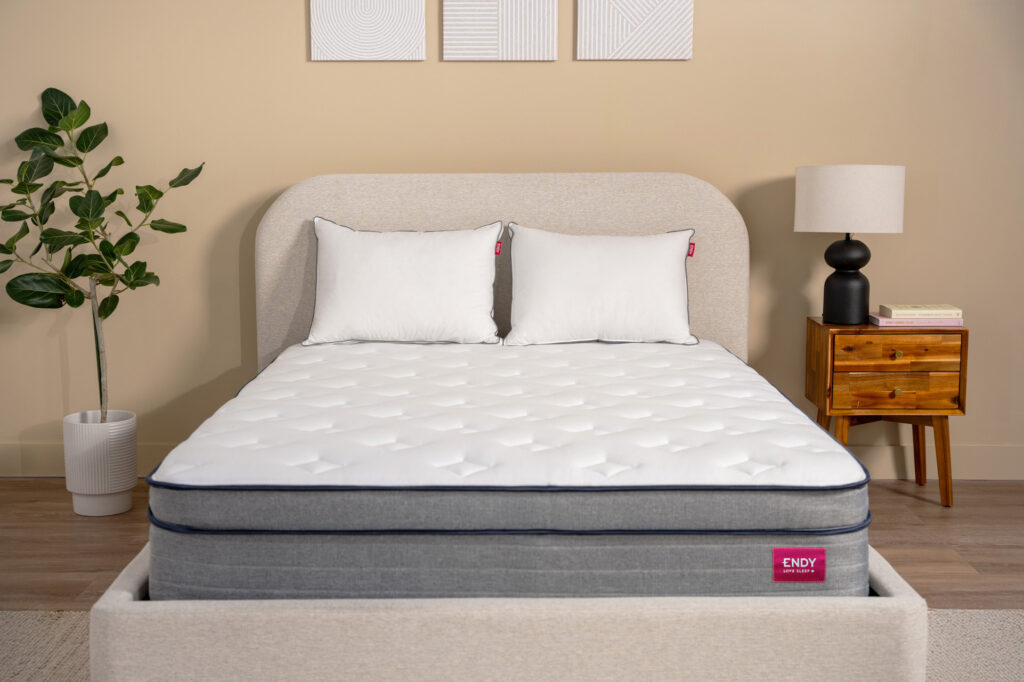
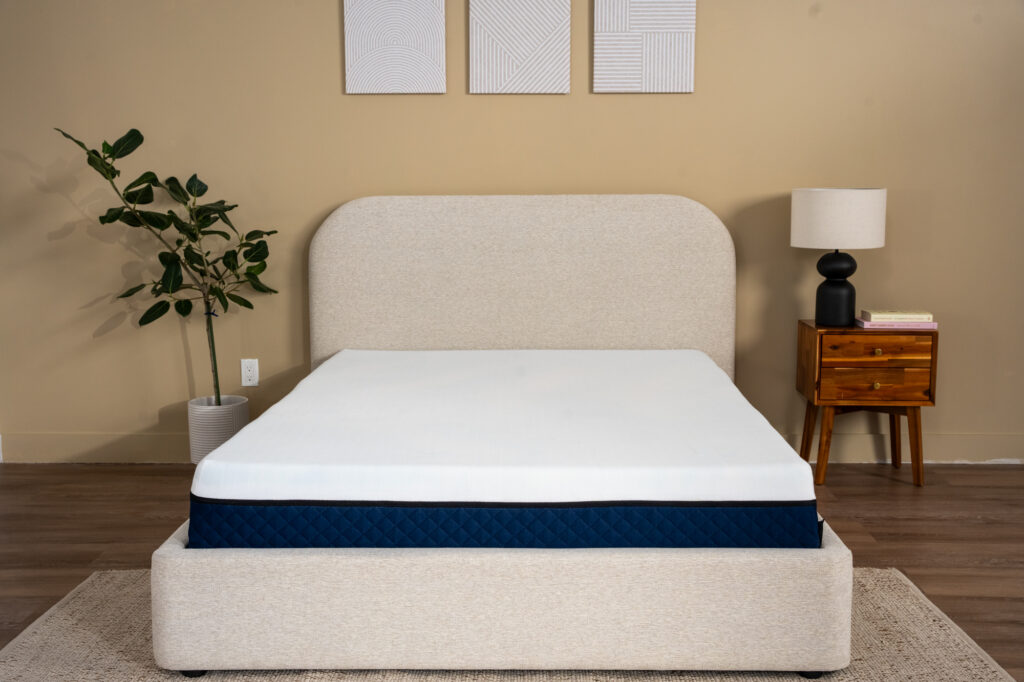
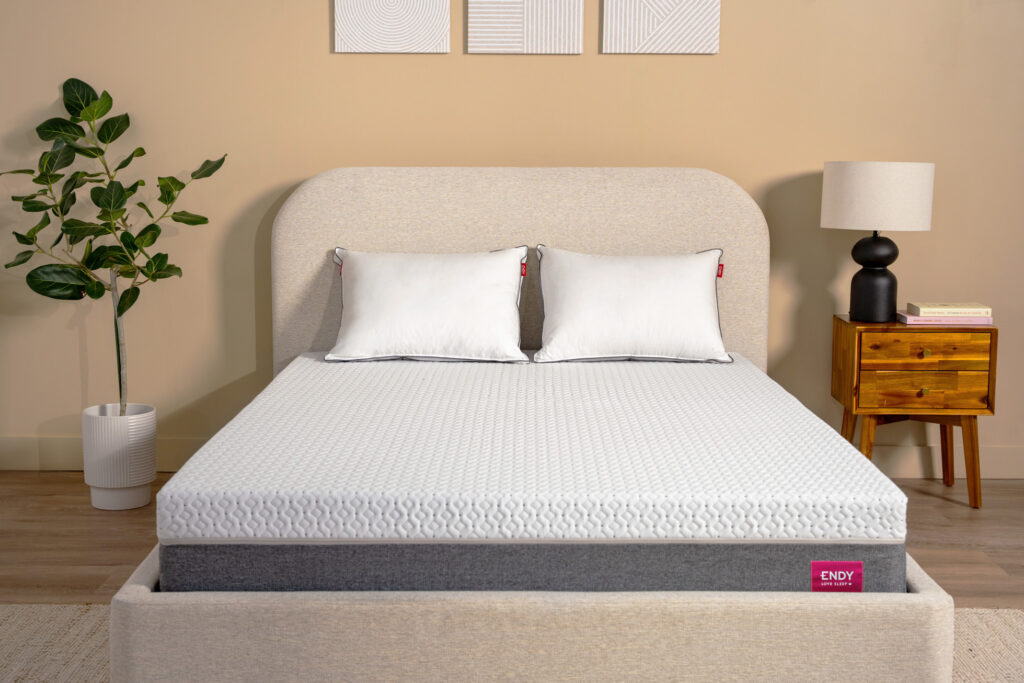
Side sleepers make up the majority of people — surveys suggest around 85% of us sleep on our side at least part of the night. The mattress needs to cushion the shoulders and hips while keeping the spine straight: a soft to medium-firm feel in the 4 to 6 range. A surface that’s too firm creates painful pressure points; too soft, and spinal support breaks down. The ideal side-sleeper mattress contours closely to the body’s curves, filling the gap at the waist while relieving pressure at the shoulders and hips. Foam and hybrid mattresses both excel here. See our picks for the Best Mattresses for Side Sleepers.
Stomach Sleepers
Stomach sleepers need a firm mattress. When you sleep face-down, the midsection risks sinking into a soft surface, tilting the pelvis forward and creating an exaggerated arch in the lower spine. A medium to slightly firm feel — around a 5 to 7 — keeps the hips elevated and the spine aligned. This is one sleeping position where the contouring of a plush foam mattress actually works against you. If you’re a combination sleeper shifting between positions, a medium-firm feel tends to perform well across all sleep styles. See our picks for the Best Mattresses for Stomach Sleepers.
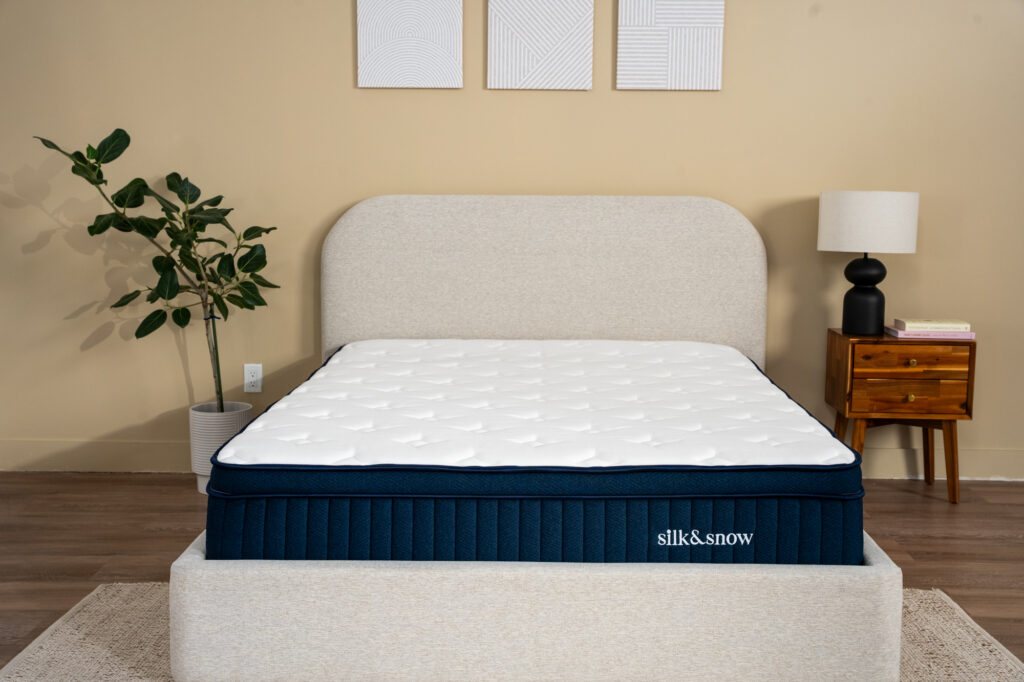
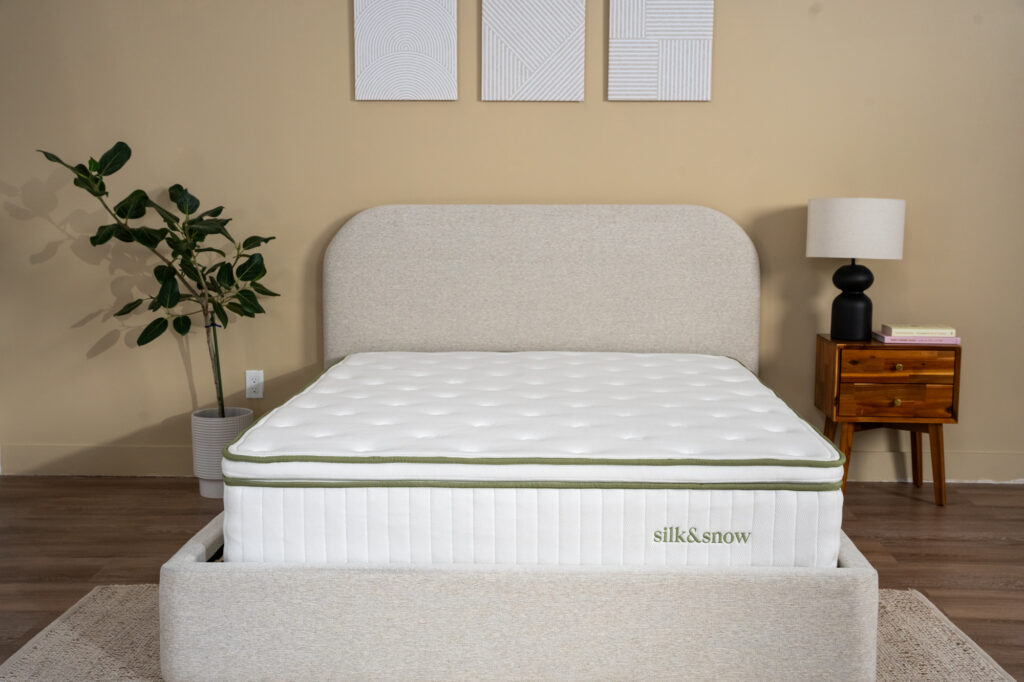
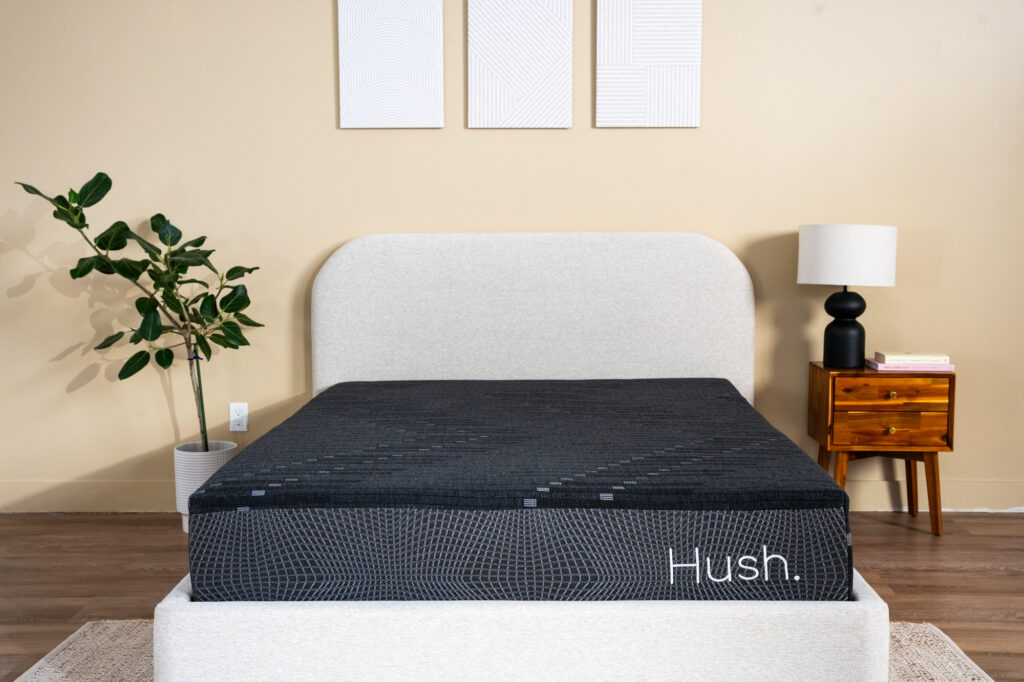
Mattress (Firm)
Mattress (Firm)
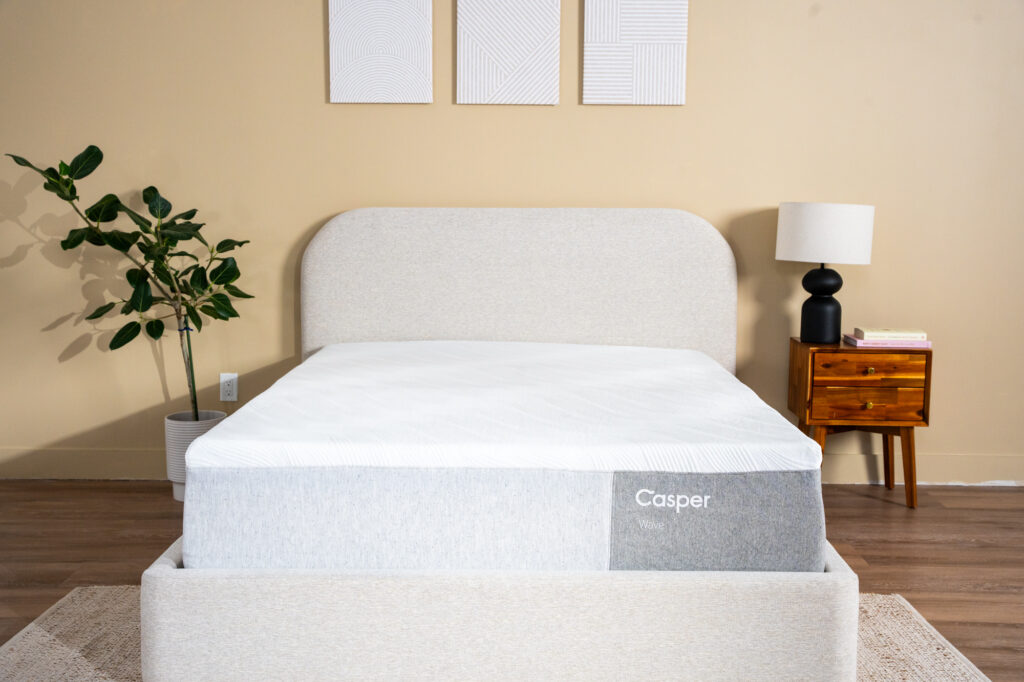
Mattress (Firm)
| Sleeping Position | Recommended Firmness |
| Back Sleepers | Medium to Slightly Firm (5-7 out of 10) |
| Side Sleepers | Soft to Medium-Firm (4-6 out of 10) |
| Stomach Sleepers | Medium to Slightly Firm (5-7 out of 10) |
Step 2: Choose a Mattress Type
Once you know your sleeping position, explore mattress types. There are three main categories: foam (including memory foam and latex mattresses), hybrid, and innerspring mattresses. Each has distinct pros and cons, and the best choice depends on your sleep preferences, body size, and budget.
Foam Mattresses
Foam mattresses — memory foam in particular — are the most popular mattress type for good reason. They contour closely to the body, providing targeted relief at the shoulders, hips, and lower back. It is also exceptional for motion isolation: the dense foam absorbs movement rather than transferring it across the bed, which is a huge factor for light sleepers or couples. Most foam mattresses are compressed in a box, making them easier to move and set up — and they tend to be more budget-friendly than hybrids.
The trade-offs: some sleepers find that a foam mattress has a slow-response sinking feeling that makes it harder to shift positions. Heat retention is the other common concern — dense foam can trap body heat in the foam layers. Modern memory foam mattresses address this with gel infusions, open-cell structures, and phase-change material covers. Look for these cooling features if warmth is a concern.
We recommend memory foam as the best starting point for most sleepers, especially at a tighter budget. For all foam mattresses, high quality foam with a good density rating makes a significant difference in durability. Worth noting: latex mattresses sit within the foam category and offer a bouncier, more responsive feel than memory foam, sleep cooler, and last longer. Latex foam is worth considering if budget allows — particularly for those who find traditional foam too warm or too slow. Here are our Best Memory Foam Mattresses of 2026.
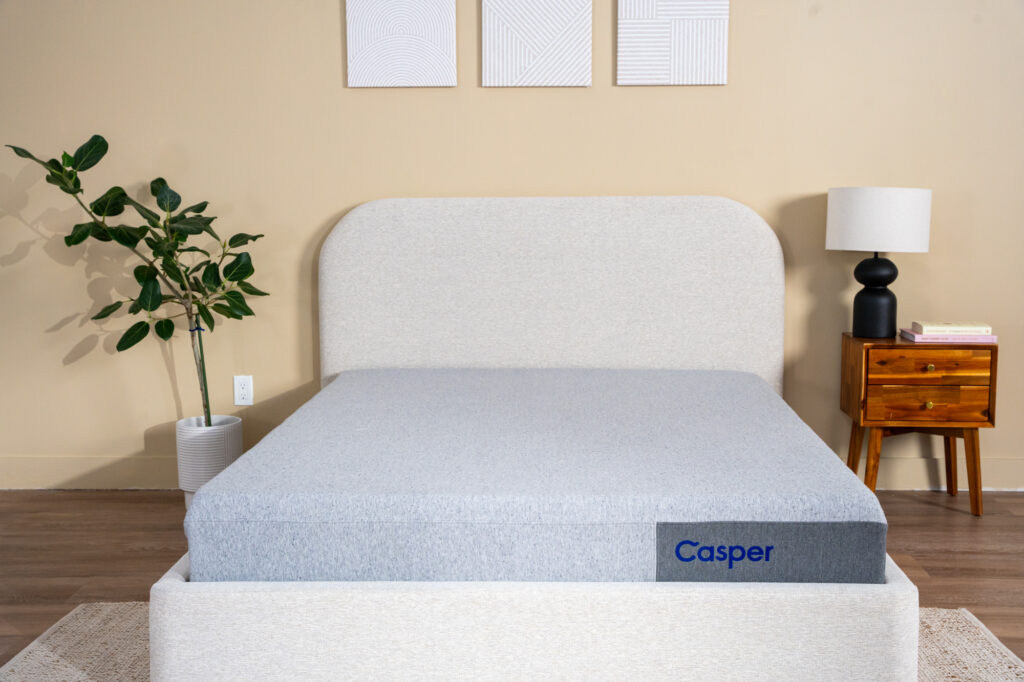
Hybrid Mattresses
A hybrid mattress combines a core of pocketed coils with foam layers on top. The result is balanced support and pressure relief from the foam, with the bounce, airflow, and responsiveness of a coil system. Pocket sprung mattresses — where each spring is wrapped individually — provide better motion isolation and body contouring than traditional open-coil designs. Hybrids are especially well-suited to heavier individuals, back pain sufferers, or those who find all foam mattresses too soft or too slow to respond. The coil core also improves edge support and airflow, so the hybrid mattress sleeps cooler than most foam options.
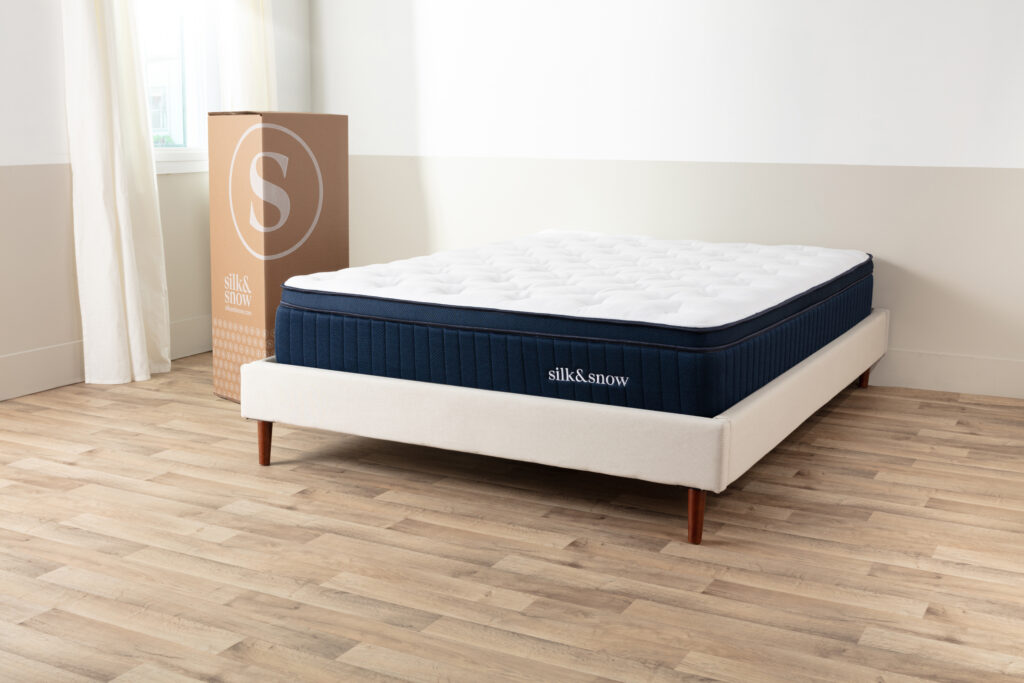
The cons: hybrid mattresses are more expensive, heavier, and may have slightly higher motion transfer than pure foam — though high-quality pocketed coil hybrids close this gap considerably. For Canadians shopping mid-range, the Endy Hybrid and Silk & Snow Hybrid both deliver excellent value. Here’s a list of the Best Hybrid Mattresses of 2026.
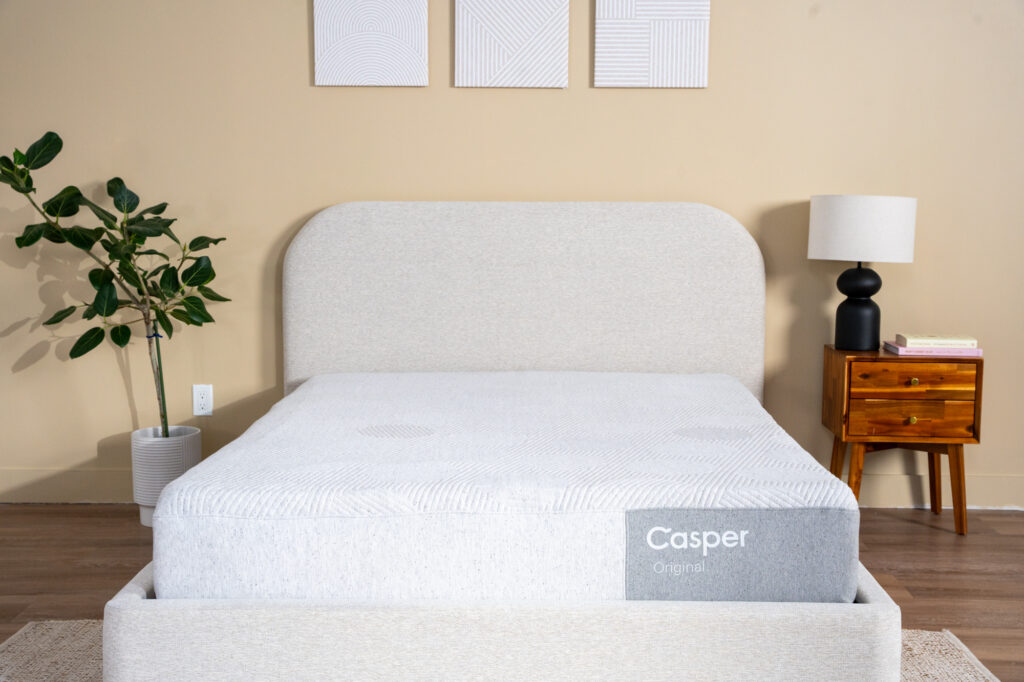
Coil / Innerspring Mattresses
Innerspring mattresses are the most traditional option — the classic spring mattress most of us grew up sleeping on. They offer a bouncy feel, strong airflow, and a low price point. That said, we at Best Sleep Society generally don’t recommend innerspring mattresses in 2026. They provide poor motion isolation, lack the body-contouring pressure relief of foam and hybrid options, and tend to sag and wear out faster. Given equivalent pricing, a foam mattress will almost always serve you better long-term.
Step 3: Choose a Mattress Size
Mattress size comes down to two key factors: room size and how many people will be sleeping in the bed. It sounds obvious, but it’s one of the most commonly overlooked decisions — especially for first-time buyers who default to queen without measuring their bedroom. Here’s a full breakdown of standard mattress sizes in North America:
| Size | Dimensions (in) | Sleepers | Best For |
| Twin | 38″ × 75″ | 1 | Children, single adults, small rooms |
| Twin XL | 38″ × 80″ | 1 | Taller individuals, college dorms |
| Full / Double | 54″ × 75″ | 1-2 | Single adults who want extra space |
| Queen | 60″ × 80″ | 1-2 | Couples; most popular size in Canada |
| King | 76″ × 80″ | 2 | Couples who want maximum space |
| California King | 72″ × 84″ | 2 | Taller sleepers, larger bedrooms |
| Split King | 2 × 38″ × 80″ | 2 | Couples with different firmness needs |
The queen is the most popular size mattress in Canada and works well for most couples or solo sleepers who like extra room. Taller sleepers benefit from the extra length of a California king or Twin XL. For couples with very different sleep preferences — firmness, temperature, or movement — a split king is worth serious consideration: two separate Twin XL mattresses side by side, each with independent firmness.
Mattress thickness is also worth factoring in when choosing a size. Most mattresses today fall in the 10–14 inch range. Thicker mattresses (12 inches or more) allow for better comfort and support layers. Mattress thickness under 10 inches typically means compromised performance and less durable support layers. For heavier individuals, a mattress thickness of 14 inches or more is recommended.
Step 4: Pick a Firmness Level
Mattress firmness is rated on a scale from 1 (extremely soft) to 10 (extremely firm). It’s important to distinguish firmness from support: firmness describes how the mattress feels on first contact, while support describes how well it keeps the spine neutral throughout the night. A mattress can feel plush and still deliver excellent spinal support — and a firmer mattress can still have great comfort layers and pressure relief.
Firmness preferences are shaped by two main factors: sleeping position (covered in Step 1) and body weight. Body weight is a huge factor that’s often underestimated — it determines how deeply you compress the mattress materials, which changes the perceived firmness. Lighter individuals under 130 lbs may find standard mattresses feel firmer than labelled, and might benefit from sizing down. Those over 230 lbs will compress most mattresses more deeply, typically needing a medium-firm or firm feel for adequate support and ideal firmness. Check out our picks for Best Firm Mattress in Canada.
For most sleepers, a medium firm mattress — around a 6 out of 10 — is the sweet spot. Medium firm mattresses accommodate a range of sleep styles and body types, provide good pressure relief at the shoulders and hips, and provide good support for the majority of people. It’s our recommended starting point if you’re unsure where to begin.
If you find the mattress slightly too firm after a few weeks, a mattress topper can add a layer of softness and pressure relief without replacing the mattress. Mattress toppers come in memory foam, latex foam, and down alternatives and can adjust the feel by one to two firmness points. They’re a useful supplement — though not a permanent substitute for choosing the right mattress firmness from the start. Mattress toppers can also extend the life of an ageing mattress if a full replacement isn’t yet in the budget.
| Sleeping Position | Under 150 lbs. | 150 to 300 lbs. | Over 300 lbs. |
| Back Sleepers | 5-6 out of 10 | 6 out of 10 | 6-7 out of 10 |
| Side Sleepers | 4-6 out of 10 | 5-6 out of 10 | 6-7 out of 10 |
| Stomach Sleepers | 5-6 out of 10 | 6 out of 10 | 6-7 out of 10 |
Step 5: Choose the Right Mattress Features
Every sleeper is different. Beyond sleeping position and firmness, specific features can make or break a mattress for certain types of sleepers. Think about which of these concerns applies to you.
Hot Sleepers: Prioritise Cooling
If you wake up sweating or find your mattress clammy by morning, heat retention is the culprit — and your mattress is a big part of the solution. Look for a cooling mattress that incorporates gel-infused memory foam, open-cell foam construction, phase change material covers, or a hybrid design with pocketed coils (which naturally allow for better airflow than solid foam). Cooling technology can significantly improve your sleep experience by keeping core temperature in the optimal range for deep, restorative sleep. If temperature regulation is your primary concern, the Hush Iced mattress is engineered specifically for hot sleepers and is one of the best options available in Canada. Take a look at the Best Cooling Mattresses in Canada 2026. You can also consider switching to cooling sheets.
Back Pain: Prioritise Support and Pressure Relief
Back pain and mattress quality are closely linked. If this is a concern, your top priorities are spinal alignment, pressure relief, and moderate sinkage. You want a mattress that supports the natural curve of the spine, cushions the contact points during sleep and prevents excessive sinking that disrupts your spine position. A firmer mattress isn’t automatically better for back pain — that’s a persistent myth. The key is balance: support the spine while cushioning enough for muscles to fully relax. A medium to medium-firm foam or hybrid hits this balance well. Both the Silk & Snow Hybrid and the Endy mattress perform well for back pain relief. We made it easy to find the Best Mattresses for Back Pain 2026.
Light Sleepers: Prioritise Motion Isolation
If you share a bed with a restless sleeping partner, a pet, or a toddler who migrates in at 4 a.m., motion isolation is critical. It describes the mattress’s ability to absorb movement in one area without transferring it across the surface — so when your partner rolls over, you don’t feel it. Memory foam mattresses are the gold standard for low motion transfer. High-quality hybrid mattresses with independently wrapped springs also perform well — far better than traditional innerspring mattresses, where movement ripples across the entire coil system. If you’re a light sleeper sharing a bed, prioritise this feature above almost everything else.
Step 6: Decide Your Budget
A new mattress is a significant investment — and prices range from a couple of hundred dollars to well over $5,000. The average price range for a quality mattress that delivers good durability tends to fall between $1,500 and $2,000 CAD. One thing to keep in mind: mattress companies run promotions constantly. Holidays, Black Friday, Canada Day — it’s actually rare to pay full MSRP, so always check for current sales before buying. You can also check out our roundup of the Best Affordable Mattresses in Canada.
Under $1,000: Go With Memory Foam
At this budget, a high-quality foam mattress is your best bet. You’ll get excellent pressure relief, good motion isolation, and a comfortable night’s sleep without overpaying. We recommend the Endy mattress, the Silk & Snow mattress, or the Casper mattress — all three are well-made, well-reviewed foam mattresses that offer outstanding value for money in the Canadian market. Any of them would be a meaningful upgrade from an old mattress that’s well past its prime.
Under $2,000: Memory Foam or Hybrid
At this mid-range budget, options open up considerably. You can move into a premium foam mattress or a well-built hybrid, depending on your sleep preferences. We recommend the Endy Hybrid, the Silk & Snow Hybrid, or the Silk & Snow Organic. The Endy Hybrid delivers a great balance of support and comfort at an approachable price, while the Silk & Snow Organic appeals to those who prefer natural, eco-conscious materials in their comfort layers.
Over $2,000: Premium Performance
At the premium end, the best mattress options push the boundaries of material quality, cooling, and craftsmanship. Our top picks in this range: the Silk & Snow Hybrid for its refined materials and construction, the Casper Wave Hybrid Snow for its zoned support system and advanced cooling, and the Hush Graph-Iced Mattress for its exceptional cooling technology — a standout choice if you’re a hot sleeper looking for the ideal mattress at the top of the market.
At any budget level, add a good mattress protector to your order. It guards against spills and allergens, keeps your mattress in warranty-compliant condition, and significantly extends the life of your purchase. A mattress protector is a small cost for meaningful long-term protection.
Step 7: Review Company Policies
You’ve narrowed down your mattress type, firmness, and budget. Now vet the company you’re buying from — because the policies around your purchase matter just as much as the mattress itself, especially given that finding the right mattress often takes a few weeks of real sleep to confirm.
Trial Period
A sleep trial gives you a set number of nights to use your new mattress at home before committing. This matters because it takes time to adjust to a new mattress, and the only way to properly evaluate one is in real conditions. The industry average is 100–120 nights, but the best mattress companies now offer considerably more. Endy and Silk & Snow both offer 365-day sleep trials — a full year to decide — which removes nearly all the risk from buying online.
Returns
Always check whether returns are free and whether the company arranges pickup themselves. A policy that requires you to repackage and ship a 50-pound foam mattress isn’t much of a policy at all. Endy, Silk & Snow, Casper, and Hush all offer free returns with no-hassle pickup — which means if the mattress isn’t right for you, getting out of it is simple.
Warranty
At Best Sleep Society, we don’t evaluate warranties by length — we evaluate them by fine print. A lifetime warranty sounds impressive until you read the exclusions and discover that virtually nothing is actually covered. Most mattress companies offer 10–15 year warranties, which is reasonable. What matters more: what constitutes a covered defect, what the sagging threshold is for a valid claim, and whether there are conditions that void coverage. A shorter warranty with clear, fair terms is worth far more than a lifetime warranty full of loopholes. Don’t let a big number fool you.
Shipping
Consider both cost and delivery timeline, and whether the mattress ships compressed in a box (bed-in-a-box) or as a full-size delivery. Most modern foam and hybrids arrive boxed, which makes setup easy — unbox, unroll, and let it expand. This is especially convenient in apartments or buildings with tight staircases. Check for any additional shipping costs to your region, as policies can vary across Canada.
Step 8: Decide Between Online and In-Store
Buying Online
Online mattress shopping has transformed the industry. The main advantage is access to information: you can compare all options side by side, read independent reviews, check warranty terms, and see full pricing — without leaving home or being steered by a commission-driven salesperson. Online mattress companies also tend to have lower overhead, which often means better pricing. The obvious downside is not being able to feel the mattress before it arrives — but with long trial periods like Endy’s and Silk & Snow’s 365-day trials, you’re not guessing. You’re testing in your own home for up to a year.
Buying In-Store
Physical stores let you lie on a mattress before buying — a genuine advantage. Spending 10–15 minutes in your main sleep position gives you useful tactile feedback that no review can fully replicate. If you’re someone who genuinely struggles to commit without touching a product first, in-store shopping can ease that uncertainty. However: in-store purchases often come with more limited trial periods, more restrictive return policies, and sometimes higher prices than equivalent mattresses available online. Sales staff are frequently working on commission, which doesn’t always align with your best interests. For the best experience, we recommend visiting your nearest Sleep Country, since sales staff are well informed and not biased towards a single brand. If you shop in physical stores, go in informed — and don’t let a convincing floor pitch override what you’ve learned about your own sleep needs.
Conclusion: Finding the Right Mattress Is Simpler Than You Think
A mattress is a big purchase — but as you’ve seen, it doesn’t have to be a bewildering one. When you know how to choose a mattress methodically, the decision becomes clear: start with your sleeping position, choose the right mattress type, pick the appropriate size and firmness, factor in your specific sleep concerns, set a realistic budget, vet the company’s policies, and decide where to buy. Follow those steps and you’ll be well-equipped to find the perfect mattress for your needs.
The perfect mattress is the one that helps you sleep comfortably night after night — supporting your spine, relieving pressure at the shoulders and hips, and keeping you at the right temperature from lights-out to alarm. Whether that’s a mattress from Endy, a hybrid from Silk & Snow, or a cooling mattress from Hush, your perfect mattress is the one that fits your body, your budget, and your sleep style.
Still not sure where to start? A medium-firm memory foam mattress from a brand with a long trial period and free returns is almost always a safe, confident first step toward a better night’s sleep. Use this mattress buying guide as your checklist, take your time, and trust the process — your body will thank you for it.
About Our Author