Juno Mattress Review



Product Research: Our Process

Juno Mattress: Too Good To Be True?
Our Verdict
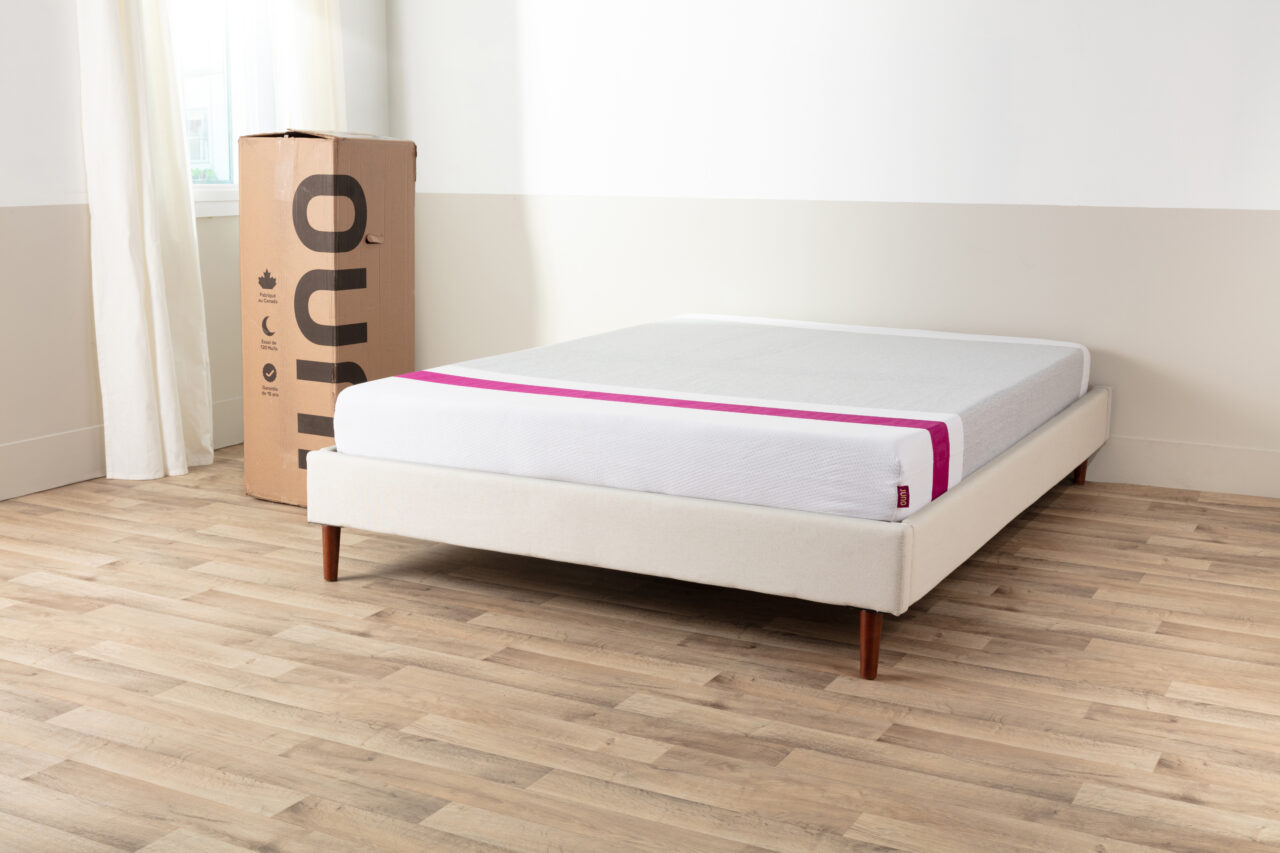
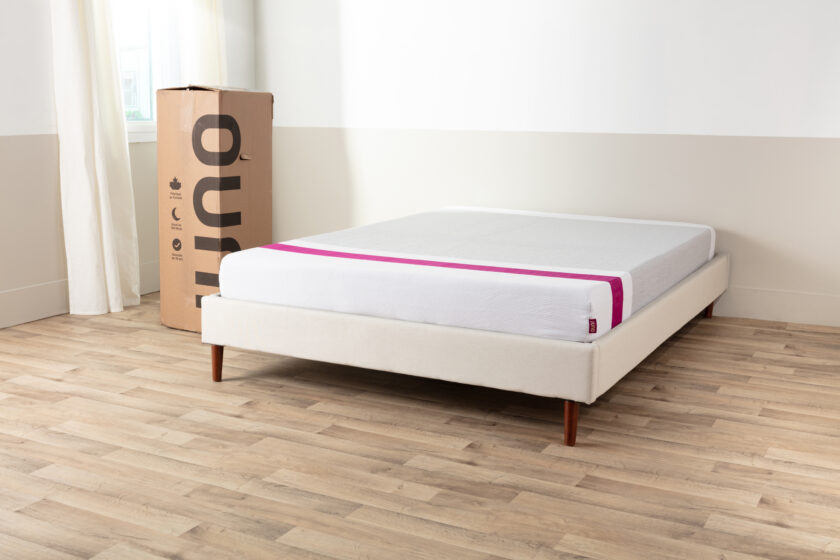
The Juno mattress is a basic two-layer memory foam foam bed with a thin 8" profile. For a memory foam mattress at this price tier, the foam density and mattress materials are functional but minimal — reflecting the affordable foam mattresses positioning rather than a long-term sleep investment. Unlike competing foam mattresses from Endy, Silk & Snow, and Casper, the juno bed does not come with a free bedding bundle or complimentary bedding bundle of sheets, pillows, or a mattress protector — meaning you'll need to budget for sleep accessories separately.
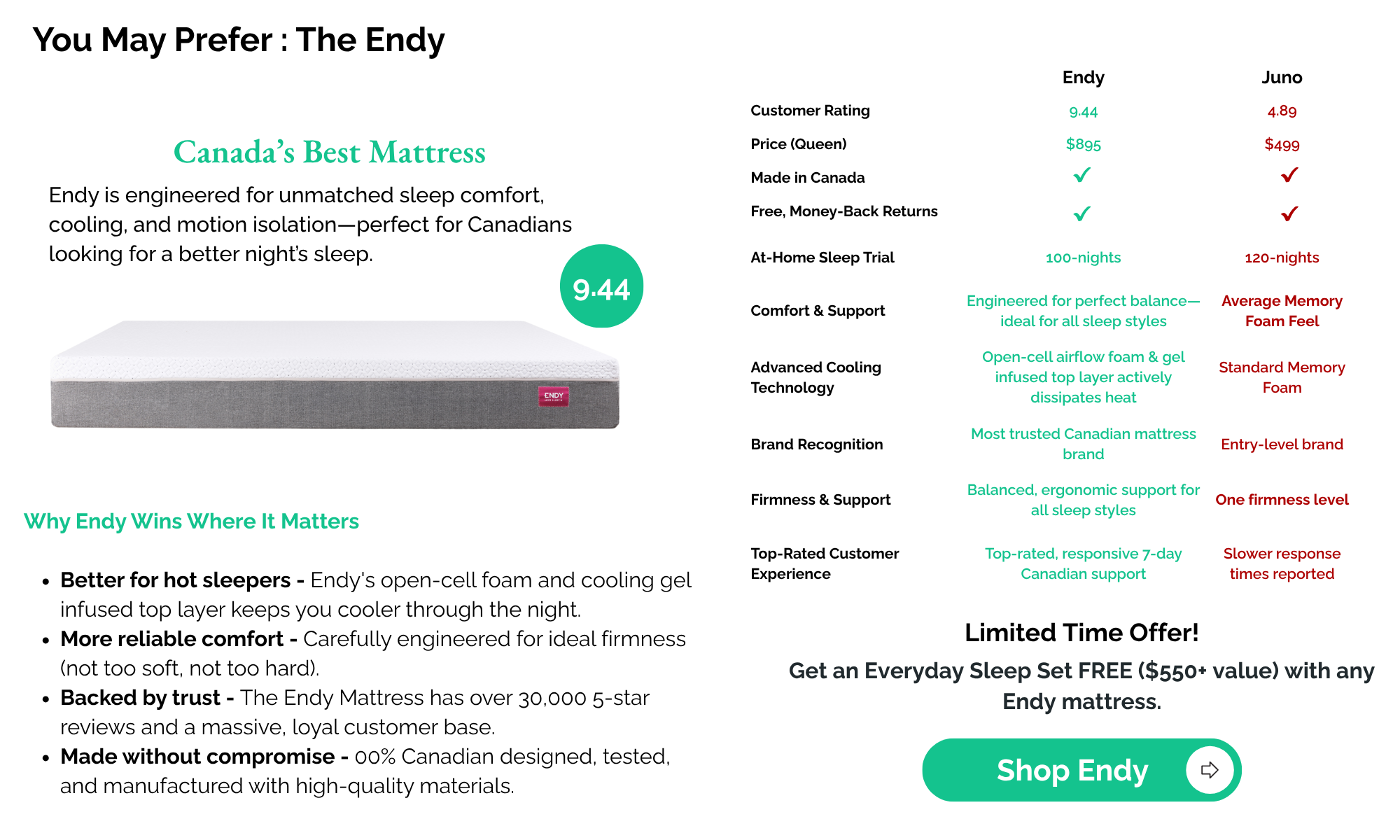
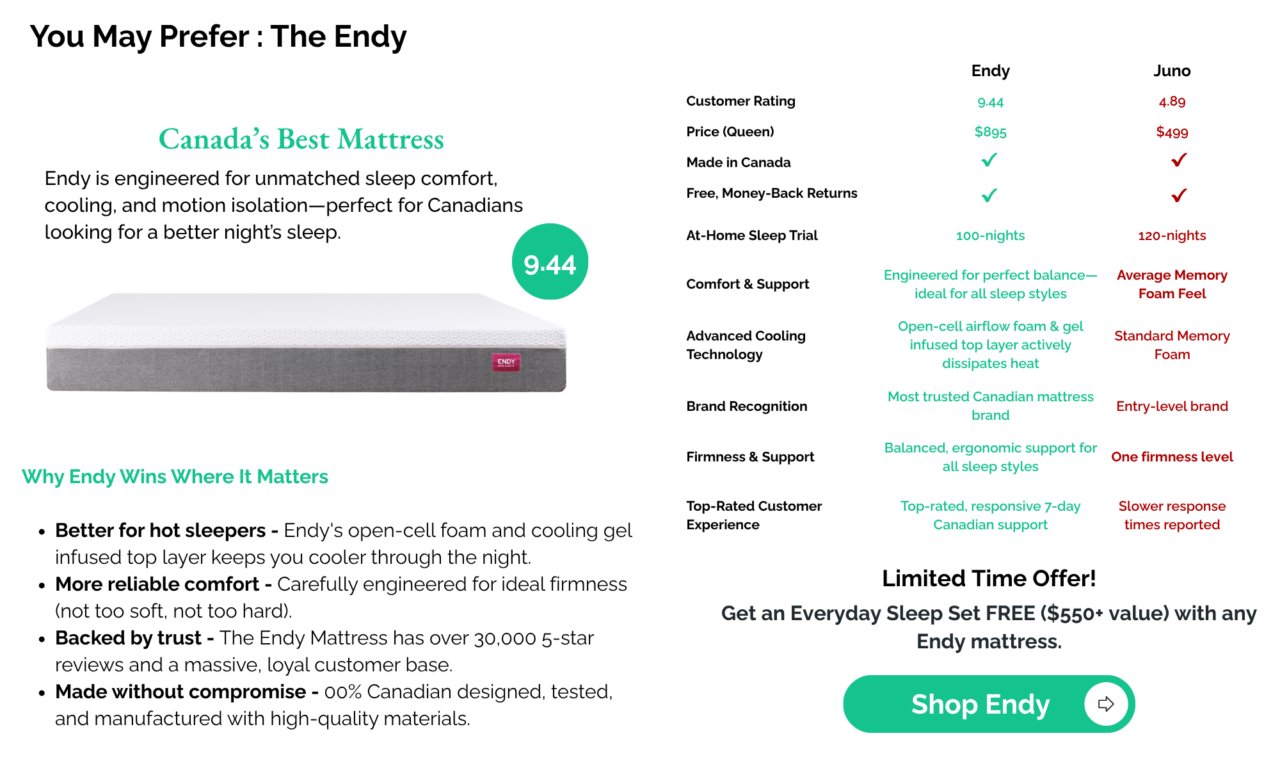
Considering the price, the Juno mattress could work for short-term use or a guest room. However, if you're looking to invest in a new mattress to sleep on every night, other budget mattresses like Silk & Snow's S&S offer excellent value for the money — and include a free bedding bundle. For a little more investment, The Endy Mattress offers great value for money, superior sleep quality, and a longer night sleep trial.
Juno Mattress: Too Good To Be True?


Table of Contents
Mattress Sizes & Prices
| Size | Price | Dimensions |
|---|---|---|
| Twin | $399 | 38″ x 75″ x 8” |
| Twin XL | $449 | 38″ x 80″ x 8” |
| Full / Double | $479 | 53″ x 75″ x 8” |
| Queen | $499 | 60″ x 80″ x 8” |
| King | $599 | 76″ x 80″ x 8″ |
| California King | $599 | 72″ x 84″ x 8” |
| Split King | $898 | 76″ x 80″ x 8″ |
Purchasing and Returns
The Juno mattress does not include a free bedding bundle, complimentary bedding bundle, mattress protector, or pillow protector — all of which are standard inclusions with competing foam mattresses from Silk & Snow and Endy. Budget separately for a mattress protector and pillow protector if you proceed with this mattress purchase.
Unboxing and First Impressions

The Juno Mattress is possibly the lightest bed in a box I’ve purchased — a direct reflection of its thin 8″ profile and basic foam density. In our Spring 2025 testing, unboxing this rolled up mattress was relatively simple, with the foam bed forming within 30 minutes. However, I had to wait a full 48 hours before the corners fully formed on the new sleep surface — longer than most competing all foam mattresses at this price.
The new mattress had a subtle smell that lasted 21 days. We did not measure VOC emissions, so it is likely the juno mattress stopped off gassing earlier — but if you’re sensitive to smell or concerned about harmful chemicals in mattress materials, the extended off gassing period is worth noting. Allow the Juno bed to fully air out in a well-ventilated room before your first sleep, and using a mattress protector immediately will help manage residual odour. The mattress air circulation around the bed frame also helps accelerate the off gassing process.
Construction

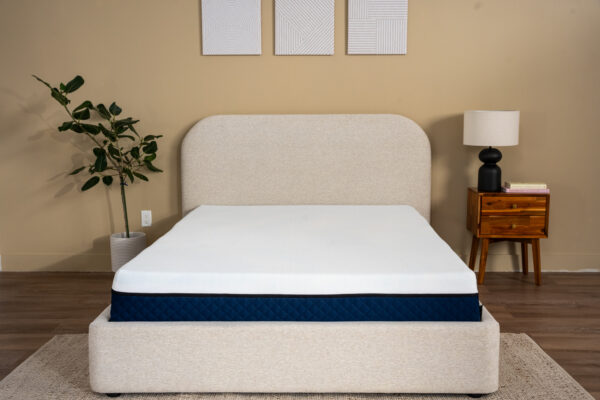


The Juno Mattress is a two-layer memory foam mattress with a foam density and mattress materials profile consistent with affordable foam mattresses in its price range. There are no pocketed coils, no hybrid mattress construction, and no distinct transition layer between the comfort layer and support layer — making this one of the simplest foam mattresses constructions available in Canada. Here’s what’s inside:
1. Juno Knit Cover (Mattress Cover)
The mattress cover is a stretchy, soft knit design that provides a basic sleep surface feel. Unlike the quilted mattress cover designs on premium foam mattresses like the Endy Mattress, the Juno mattress mattress cover is flat and unfeatured — contributing to the lack of traction and ease of movement that our testers noted. The mattress cover is not infused with any dedicated cooling gel or gel infusion technology, which further limits the Juno bed’s already modest cooling gel foam system. A mattress protector over the mattress cover is strongly recommended to extend the life of this foam bed.
2. 2″ Cooling Gel Foam (Comfort Layer / Gel Foam)
The comfort layer is a 2″ cooling gel foam — a gel infused foam gel memory foam layer designed to contour the body and provide temperature regulation through gel infusion. At just 2″ depth, this gel foam comfort layer is significantly thinner than the cooling gel foam layers in competing all foam mattresses — and our testing confirmed that this gel memory foam comfort layer does not deliver meaningful cooling gel performance for hot sleepers who sleep hot. The gel infused foam gel foam layer functions as the primary comfort layer and the transition layer between the sleep surface and the support foam below — a dual-role that further limits the foam density and responsiveness of this foam layer.
3. 6″ Support Foam (Support Layer)
The support layer is a dense 6″ support foam base — a poly foam foundation that provides the structural support for the entire juno mattress. The support foam poly foam base is designed to minimize motion transfer and provide long-term spinal alignment, but at 6″ depth and without a dedicated transition layer, the Juno mattress relies entirely on this single poly foam support layer for its durability. This is a meaningful construction limitation compared to all foam mattresses with three or more distinct foam layer configurations — such as the Endy Mattress with its separate transition layer and high-density support layer.
Comfort
Even as a lightweight sleeper (I weigh 127 lbs), the Juno Mattress didn’t impress compared to the comfort of more premium foam mattresses like the Endy Mattress. There was almost no bounce, and I had difficulty moving around on the sleep surface. The flat mattress cover and slow-recovery traditional memory foam gel foam comfort layer create a cradling sensation that limits ease of movement across different sleeping positions.
The 8″ height is a genuine concern for most sleepers — other all foam mattresses like The Casper are typically 10″ in height, providing an additional 2″ of foam layer depth to support the body. Without a dedicated transition layer or additional comfort layer, the juno mattress risks “bottoming out” for heavier back sleepers, stomach sleepers, and anyone with higher foam density requirements. The juno bed provides basic adequate pressure relief for very lightweight sleeper profiles, but is not a reliable long-term value mattress for most sleepers.
Firmness
The Juno Mattress is considered a medium firm mattress and scored 6/10 on our firmness scale. We typically see thinner profile foam mattresses in the budget mattresses category lean toward the firm mattress side of the firmness scale — such as the S&S Firm foam bed from Silk & Snow. In comparison to the S&S Firm, the Juno mattress leans softer, and may feel more similar to the Douglas mattress, which is owned by the same parent company, GoodMorning.
This medium firm positioning means the Juno mattress sits in a broadly usable range for back sleepers and lighter side sleepers, but stomach sleepers and heavier back sleepers who need a genuinely firm mattress for spinal alignment will find the Juno bed insufficient. The medium firm foam density of the Juno mattress is consistent with other affordable foam mattresses at this price point — adequate for basic use but not engineered for the sustained maintenance of spinal alignment support that nightly use demands.
Motion Transfer
Memory foam mattresses are known to perform better in motion isolation than hybrid mattress or innerspring designs, and the Juno Mattress was fairly good in this area. In our Fall 2024 tests, we did not observe any significant vibrations during motion transfer isolation testing — a positive finding for a value mattress at this price point.
The 6″ support foam poly foam base absorbs movement reasonably well for a basic foam bed, and the absence of pocketed coils means motion transfer is contained within the memory foam layers. For light sleepers who share a bed frame, the Juno mattress does provide a functional level of motion isolation — though premium foam mattresses from Endy and Silk & Snow significantly outperform it in sustained motion transfer testing.
Cooling
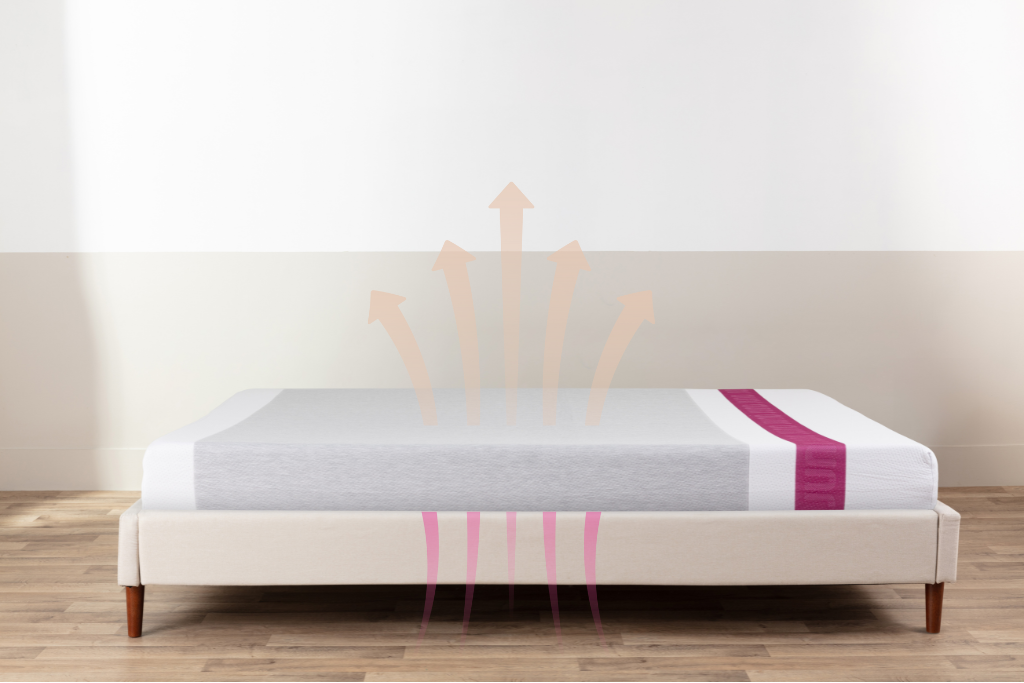
The Juno Mattress comfort layer claims to be infused with cooling gel, however, the 2″ cooling gel foam gel foam comfort layer did not outperform other all foam mattresses we tested — like the Endy Mattress — in regulating temperature. For hot sleepers who sleep hot, the gel memory foam cooling gel layer of the juno bed will likely disappoint.
Customers can upgrade to Juno’s Cool+ Cover — a premium mattress cover replacement with additional cooling gel properties — for an additional fee. However, purchasing a cooling mattress protector offers a similar effect at a comparable or lower cost, while also protecting your sleep surface and extending the life of the Juno mattress. A dedicated mattress protector is therefore the more practical investment for hot sleepers who are considering this affordable mattress. The Juno mattress does not include a free bedding bundle or mattress protector in the base purchase — unlike competing foam mattresses from Endy and Silk & Snow that include sleep accessories with every order.
Edge Support
The Juno Mattress does not have a reinforced border or edge support system in its design. As a lightweight sleeper, this didn’t cause significant concern for me personally. However, heavier testers did notice they sank into the support foam poly foam foundation when sitting or lying close to the edge — a predictable limitation of a thin, two-layer foam bed without dedicated edge support construction.
The absence of any edge support reinforcement means the usable sleep surface of the Juno mattress is effectively smaller than its dimensions suggest — particularly for heavier back sleepers and stomach sleepers who may drift toward the perimeter. For a guest room or short-term foam bed application, this is manageable. For nightly use, the weak edge support is a meaningful limitation compared to foam mattresses from Endy and Silk & Snow, which feature reinforced perimeter support layer designs.

Sinkage and Responsiveness
There isn’t significant sinkage on the Juno Mattress — but due to low bounce and the enveloping traditional memory foam comfort layer, the Juno bed contours and cradles the body in a way that prevents ease of movement. If you’re someone who moves across different sleeping positions frequently during the night, the flat mattress cover and slow-recovery gel foam foam layer will create friction and resistance.
A foam mattress option with a quilted mattress cover — like the Endy Mattress — allows for better movement across the sleep surface and aids in getting in and out of the bed frame with ease. The Juno mattress lacks both the quilted traction and the bounce that make all foam mattresses in the mid-range genuinely responsive. For multiple mattresses comparisons at this price tier, the Juno bed consistently falls short on responsiveness metrics.
How does it suit different sleeping positions?
Side Sleepers
Lightweight sleeper side sleepers who prefer softer foam mattresses will find the Juno comfortable enough for basic use. The gel memory foam comfort layer provides some surface cushioning for the shoulders and hips. However, side sleepers of average or heavier weight will find the medium firm foam density insufficient for meaningful adequate pressure relief at key sleeping positions contact points — and the lack of a dedicated transition layer limits how effectively the juno mattress distributes side sleepers’ body weight. A quilted-top foam bed like the Endy Mattress or Silk & Snow S&S delivers a significantly better side sleepers experience for the same or slightly higher investment.
Back Sleepers
The Juno Mattress might work for back sleepers of lighter weight, but heavier back sleepers will likely prefer a firm mattress with more dedicated support layer depth and maintain spinal alignment capability. The thin 8″ profile means the poly foam support foam base can bottom out under higher body weight, undermining spinal alignment for back sleepers who need consistent overnight support. The S&S Firm foam mattresses from Silk & Snow is our recommendation for back sleepers seeking a value mattress with reliable adequate pressure relief and spinal alignment.
Stomach Sleepers
We expect stomach sleepers to prefer less body contouring and more resistance from their foam mattresses — and the Juno does not deliver this. The medium firm gel foam comfort layer allows more hip sinkage than stomach sleepers need for healthy maintain spinal alignment, and the absence of a transition layer means the support foam is accessed directly without adequate buffering. The Silk & Snow S&S Firm is our top recommendation for stomach sleepers seeking an affordable foam mattresses alternative with genuine firm mattress support.
Combination Sleepers
Combination sleepers require ease of movement across different sleeping positions throughout the night — and the flat mattress cover and low-bounce traditional memory foam foam layer of the juno mattress make this difficult. We recommend looking at a quilted-top, more responsive foam bed like the Endy Mattress for sleeping positions variety and smooth surface transitions. Even at a modest price premium, the Endy Mattress delivers meaningfully better sleep quality and motion transfer performance for combination sleeping positions patterns.
Lightweight Sleepers
The Juno can provide adequate pressure relief and basic comfort for light sleepers without compromising what little support layer the juno bed offers. At lighter body weight, the foam density concerns are less pronounced — and the medium firm memory foam comfort layer provides a tolerable sleep surface for casual or short-term use. However, even lightweight sleeper profiles seeking a value mattress for nightly use will find better long-term sleep quality from the Endy Mattress or Silk & Snow S&S.
Heavy People
The Juno is a simplistic foam mattress with a two-foam layer construction and no pocketed coils or hybrid mattress architecture to provide structural depth. Heavier individuals should strongly consider a foam bed with more distinct and defined layers designed to support larger bodies. Silk & Snow, Endy Mattress, and Casper all have excellent all foam mattresses options with multiple mattresses firmness levels, dedicated transition layer designs, and reinforced support layer constructions that prevent bottoming out. The juno mattress is simply not designed for the sustained spinal alignment demands of heavier back sleepers and stomach sleepers.
Should You Buy the Juno Mattress?

The Juno Mattress is well priced and performs adequately in motion isolation — but this juno mattress review confirms it did not impress our testers in comparison to more sophisticated foam mattresses from Endy and Casper. For the affordable mattress price point, this juno bed can serve guest room use or a growing child’s room. However, I’d recommend investing in all foam mattresses with additional foam layer depth, dedicated transition layer design, and performance innovations for your main new sleep surface.
For a few hundred dollars more, you can invest in high-quality foam mattresses like the Endy Mattress and Silk & Snow S&S — both of which include a free bedding bundle (worth up to $550), superior cooling gel foam systems, multiple firmness options, a mattress protector, pillow protector, and a 365-night night sleep trial that dwarfs the juno mattress’s 120 night sleep trial. These value mattress investments also work with most bed frames — from platform beds to adjustable bed frame bases — giving you more flexibility. They are the right mattress for most sleepers seeking a sleep quality upgrade from budget mattresses.
Please note: All prices referenced in this article reflect MSRPs and are accurate to the best of our knowledge as of April 1, 2026.
Frequently Asked Questions
How Juno Compares to Similar Mattresses
|
Juno Mattress |
The Endy Mattress |
Silk & Snow S&S |
The Casper |
|
| Rating |
4.89/10 |
9.59/10 |
9.01/10 |
8.74/10 |
| Firmness |
Medium-firm |
Medium-firm |
Medium-firm |
Medium-firm |
| Material |
Memory Foam |
Memory Foam |
Memory Foam |
Memory Foam |
| Cooling |
|
|
|
|
| Best For |
Short term use |
Suits a wide range of sleepers |
Suits a wide range of sleepers |
Suits a wide range of sleepers |






About Our Author