Emma Mattress Review



Product Research: Our Process

Emma Original Mattress: More Sink Than Support?
Our Verdict
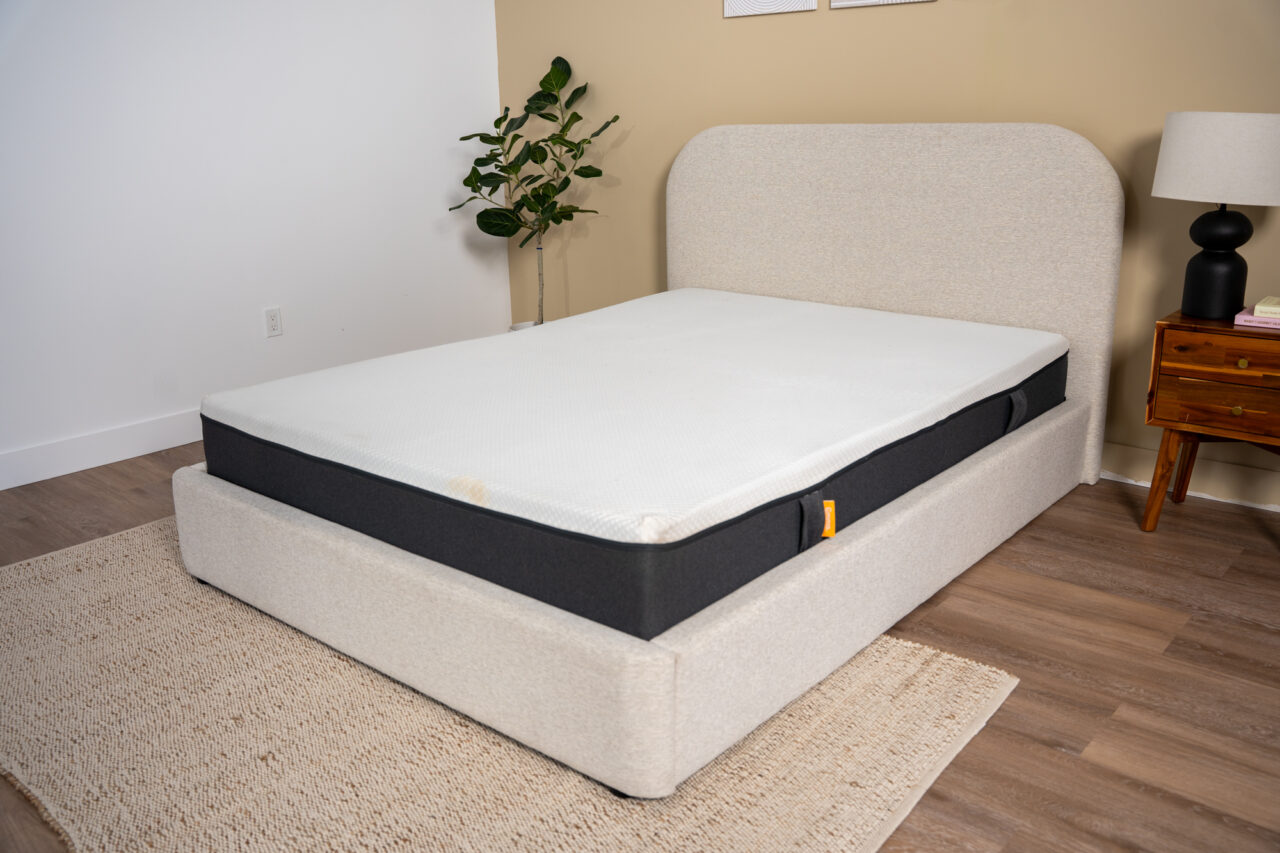
This Emma mattress review confirmed what many customer reviews suggest: poor motion isolation that disrupted my sleep, low bounce, and deep sinkage make the Emma Original Mattress an unpleasant testing experience. The Emma original is a softer memory foam mattress than its positioning implies — and the gaps in pressure relief, edge support, and cooling properties are consistent and meaningful for most sleeping position types.
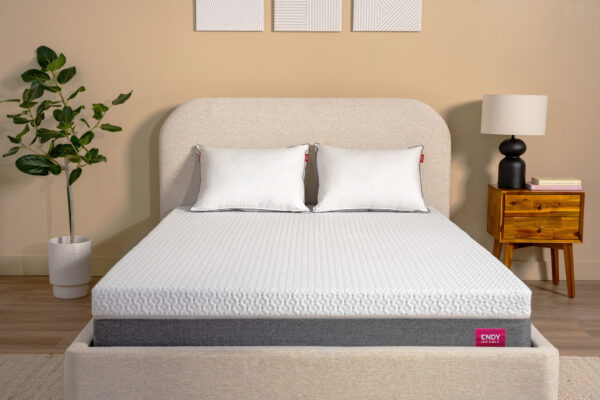
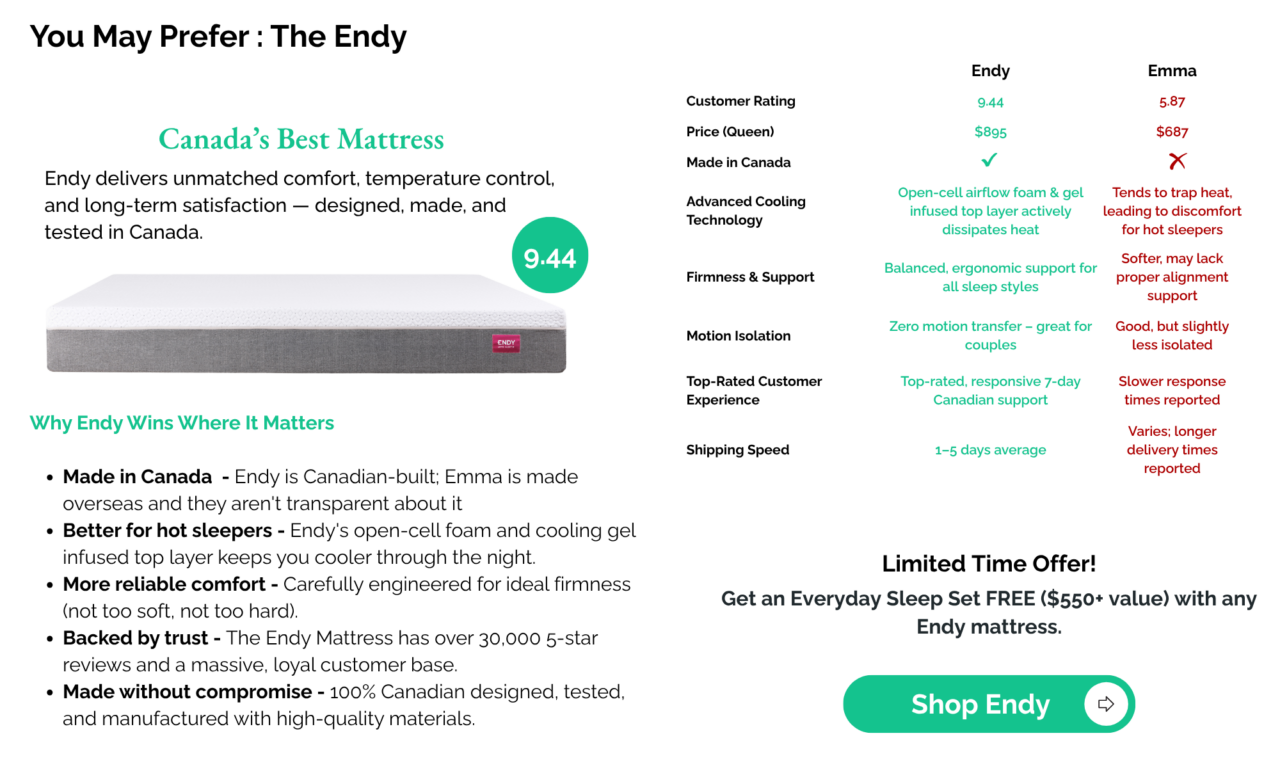
I would not let the 365-night sleep trial, the 10-year warranty, or the brand's significantly marked-down prices — which raises genuine questions about product quality — mislead you. With superior performance and excellent breathability, The Endy Mattress is a far more reliable alternative from a brand that takes transparency and customer satisfaction very seriously. This Emma original mattress review will give Canadian customers everything they need to make an informed decision.
Emma Original Mattress: More Sink Than Support?


Table of Contents
Mattress Sizes & Prices
| Size | Price | Dimensions |
|---|---|---|
| Twin | $499 | 39″ x 75″ x 10” |
| Twin XL | $599 | 39″ x 80″ x 10” |
| Full / Double | $649 | 54″ x 75″ x 10” |
| Queen | $749 | 60″ x 80″ x 10” |
| King | $849 | 76″ x 80″ x 10″ |
| California King | $849 | 72″ x 84″ x 10” |
Purchasing and Returns
Emma offers a night trial period for returns, but the return process experiences shared by Canadian customers suggest that the hassle free return promise does not always reflect reality. I recommend documenting all communications if you contact Emma about returns or your replacement mattress options. The delivery process itself was unremarkable — delivery took a standard number of business days, though the box arrived in poor condition.
Unboxing and First Impressions
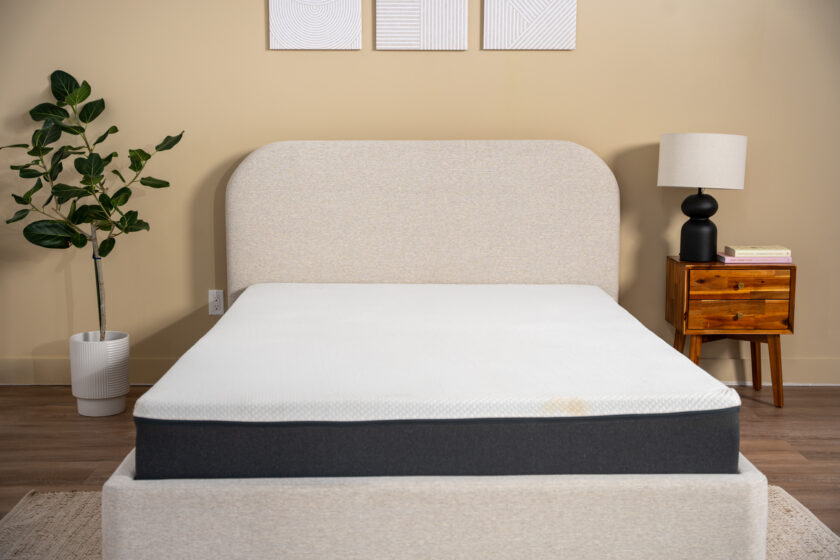
The Emma Original arrived at my doorstep in a beat-up box, and felt lighter than it should for a 10″ mattress — which raises immediate concerns about foam density and product quality. Upon unwrapping from the box, the Emma original mattress took 20–30 minutes to expand to its full shape, but the edges of the mattress looked somewhat wrinkled, which undermined the first impression. Within a few hours, it was clear the mattress feel was going to skew much softer than a medium firm feel.
There was notable off-gassing from the Emma original, which lasted almost 2 months even after airing it out in a spacious room. This is an exceptionally long off-gassing period — particularly concerning for Canadian customers living in smaller spaces or those sensitive to smells. By comparison, off-gassing from Endy and Silk & Snow mattresses typically dissipates within hours. A mattress protector is strongly recommended from unboxing to contain any residual off-gassing odour and protect the cover.
Construction
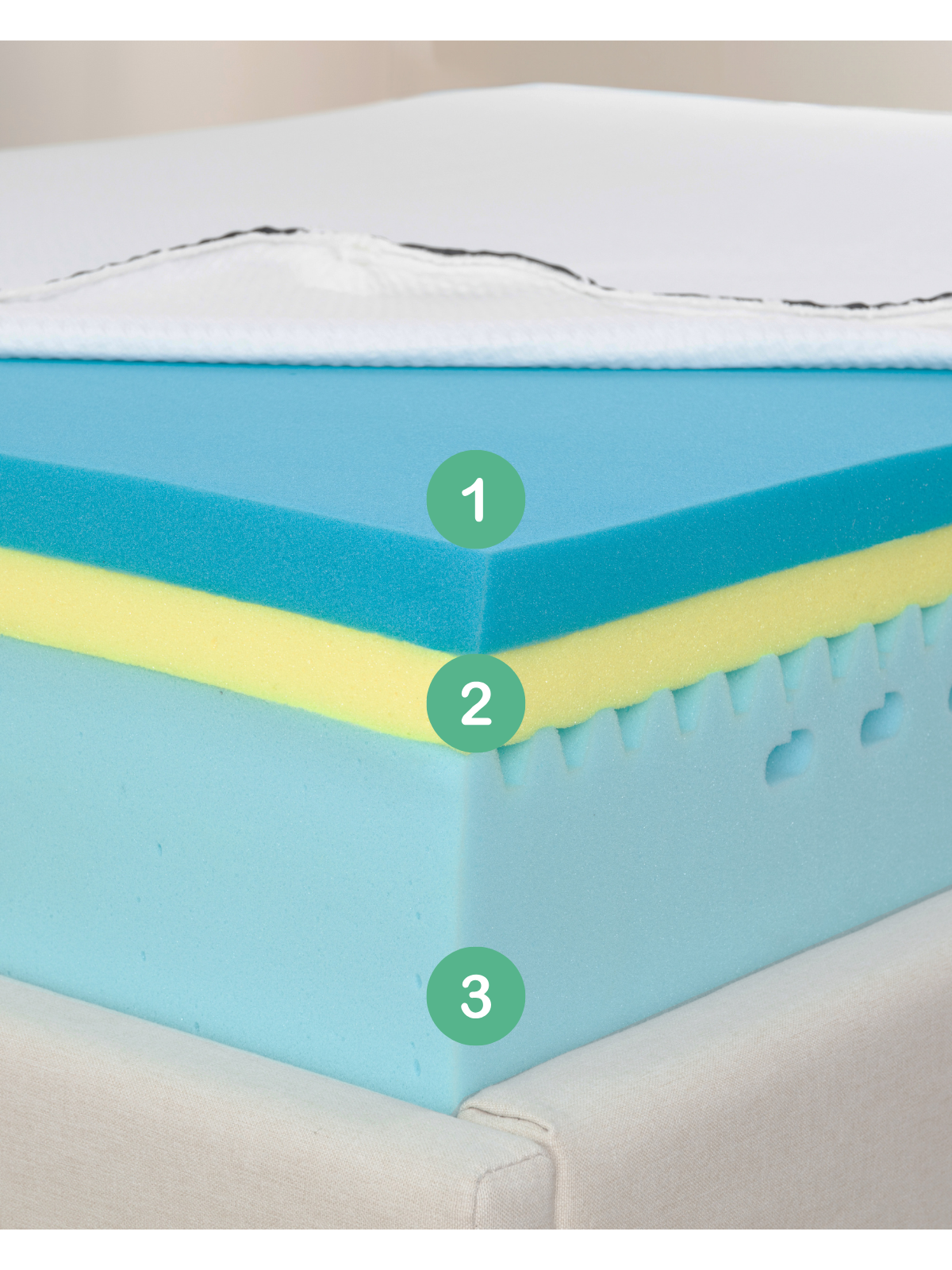
The Emma Original is a three layers foam mattress — a softer memory foam mattress with less foam depth and density than most competing mattresses at this price point. Emma sleep positions the Emma original as delivering targeted support and spinal alignment, but the foam layers construction tells a different story. Our in-house team tested each layer independently and found consistent limitations throughout.
1. Airgocell® Foam (Top Layer / Comfort Layer)
The top layer comfort layer of the Emma original mattress is the Airgocell® foam — designed to absorb sweat and prevent overheating. This foam comfort layer is the Emma original’s primary claim to cooling properties, but it does not incorporate meaningful gel foam technology or individually wrapped coils-driven airflow to sustain temperature regulation. The cover over this top layer is technically a machine washable cover — a washable cover that can be removed and cleaned — however, the serrated texture of this machine washable cover can be felt through sheets, a consistent complaint in Emma performance reviews from Canadian customers.
2. HALO® Memory Foam (Comfort Layer / Memory Foam)
The memory foam comfort layer beneath — HALO® memory foam — is designed to isolate motion transfer and balance pressure points for deep, uninterrupted sleep. This memory foam comfort layer is the core of the Emma original’s pressure relief system. However, at the density level used in the Emma original mattress, this comfort layer contributes more to deep sinkage than to targeted support or effective spinal alignment for most sleeping position types. It functions as a softer memory foam mattress layer rather than a firm, responsive support foam component.
3. High Resiliency Xtra Foam (Support Foam / Base Layer)
The support foam base is the foundational layer of the Emma original — designed to offer long-term support and structure. In a well-constructed mattress, this support foam would provide robust resistance to prevent bottoming out and maintain spine aligned sleeping. In the Emma original mattress, this layer underperforms — the foam density is insufficient to compensate for the soft memory foam comfort layer above it, contributing to the sagging and diminishing support that Canadian customers consistently report over time. The absence of pocket springs or individually wrapped coils means there is no mechanical backup to the support foam — a key difference from hybrid mattresses that use pocket springs for zoned targeted support.
Comfort
The lack of bounce may be the primary reason the Emma Original does not feel supported or particularly comfortable. To me, this mattress felt poorly constructed for its price. I didn’t receive adequate pressure relief and woke up with sore muscles most mornings — a direct result of insufficient targeted support from the foam layers construction. Emma sleep claims to offer zoned support, yet I had a hard time keeping my spine aligned without sinking into the mattress.
Unlike hybrid mattresses that use pocket springs for zoned back support and pressure points relief, the Emma original’s all-foam construction relies entirely on foam density to deliver targeted support — and the density used falls short for a wider range of body types. Unless you’re a lightweight sleeper, you’re likely to feel dissatisfied with the Emma performance in comfort. Emma offers a wider range of mattresses in their lineup, but the Emma original remains the weakest in terms of support and pressure relief at its price point.
Firmness
As an all-foam mattress with three layers of low-density foam, the lack of firmness did not surprise me. The Emma Original scores 3 out of 10 on our firmness scale — far from the medium firm feel that most shoppers need for nightly use. This is not a medium firm mattress; it is a soft softer memory foam mattress that will disappoint any sleeper who needs consistent back support or spinal alignment.
The mattress starts sagging further with time, progressively compromising the support and making the firmness preference issue worse over months of use. This firmness level will most likely suit only side sleepers and very lightweight people — a narrow range compared to the wider range of sleeping position types that well-engineered hybrid mattresses or mid-range memory foam options from Endy and Silk & Snow can accommodate.
Motion Transfer
As with most other memory foam mattresses, the Emma Original did a reasonable job at isolating motion transfer — I did not feel most of my partner’s movements, even as a light sleepers type. However, I could feel him getting in and out of bed at times. In our lab tests, we observed significant vibrations from movement across the mattress’s surface, suggesting the good motion isolation performance is inconsistent.
If motion isolation is an important attribute in your mattress decision — particularly if you’re a light sleepers profile or share a bed with a restless partner — there are meaningfully better alternatives. The Emma original’s foam layers provide moderate motion transfer dampening, but the soft comfort layer structure means any significant movement still transmits across the mattress surface, disrupting sleep for sensitive Canadian customers.
Cooling
The Emma Original underperformed in cooling more than almost any other memory foam mattress I’ve tested. This mattress traps heat and does not wick away moisture from your body — making it a poor choice for anyone who already struggles to sleep cool. A thin gel foam comfort layer and a poor-quality cover cannot compensate for the fundamental cooling properties limitations of the Emma original’s dense memory foam construction.
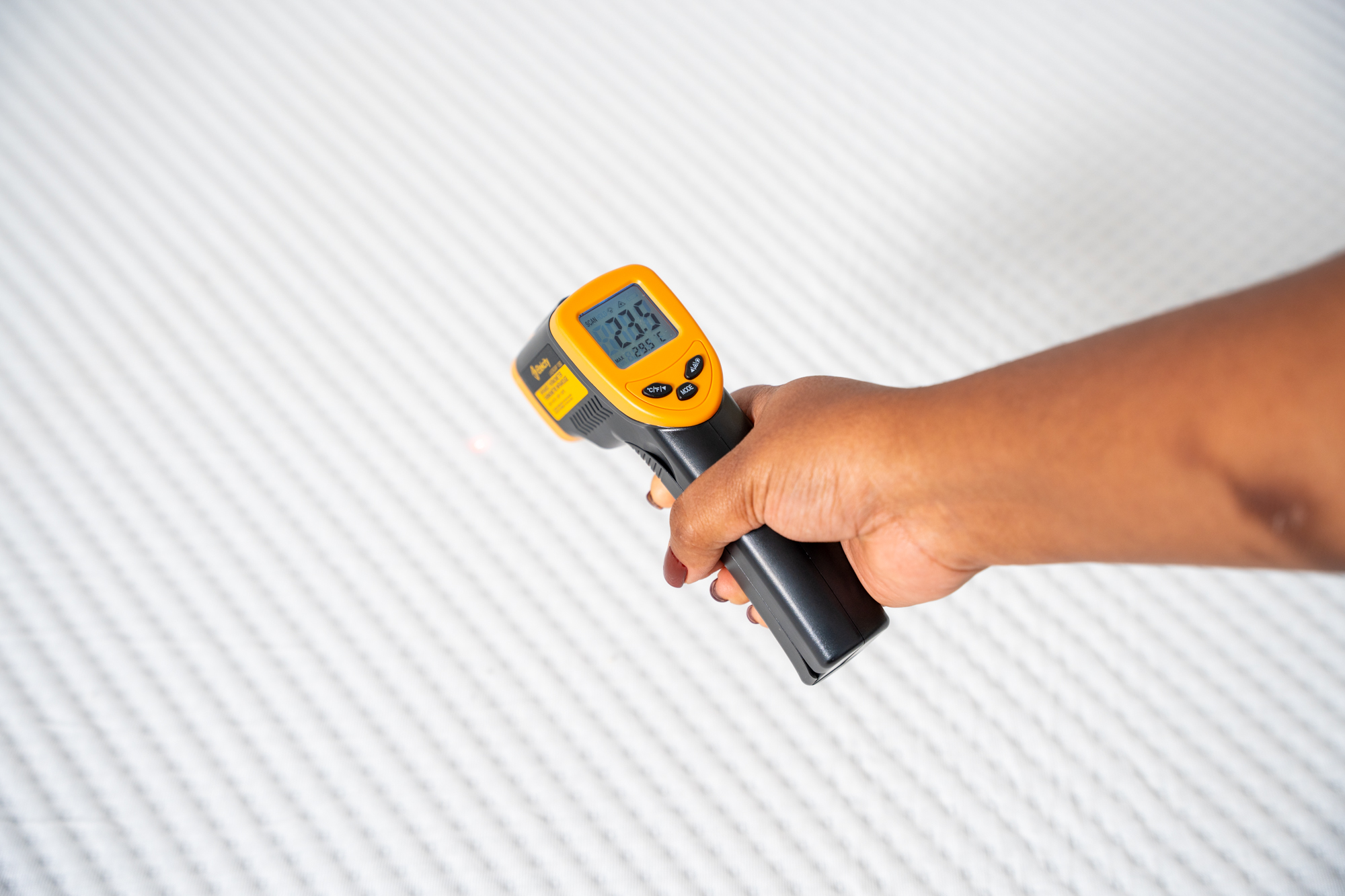
During our tests, the surface temperature of the Emma mattress ranged between 23–23.5°C — one of the worst cooling results we’ve recorded for any all-foam mattress in this mattress review series. Unlike hybrid mattresses with pocket springs that allow active airflow through the mattress core, the Emma original’s three layers of dense foam trap and retain heat. Emma performance in cooling is categorically insufficient for Canadian customers who experience warmer seasons or who naturally sleep warm.
Edge Support
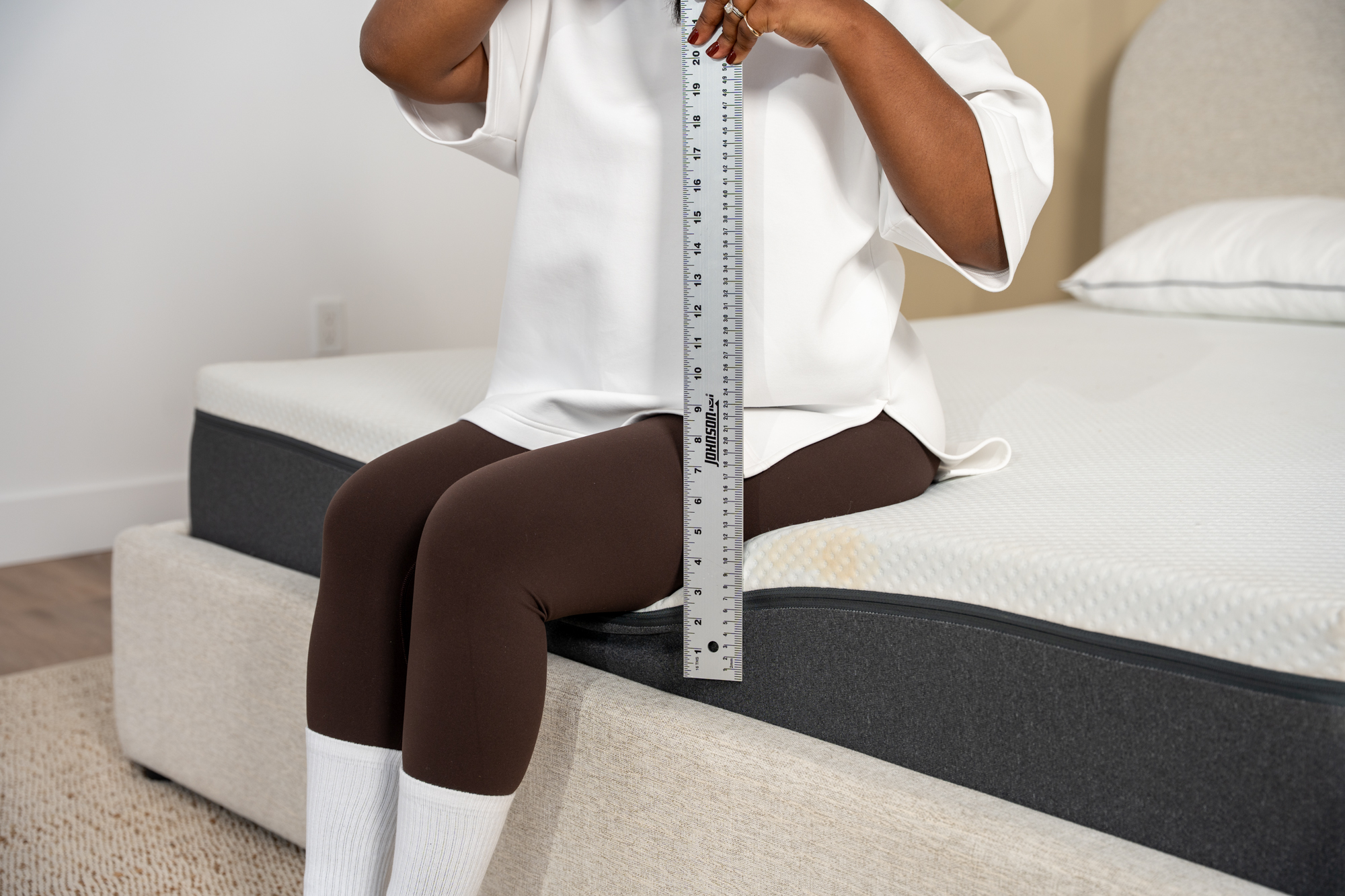
While the Emma mattress was expanding, I noticed the edge of the mattress looked unstable — and it continued to look somewhat wrinkled even after a few hours. When I sat on the edge, it sank up to 5 inches, and I could feel myself slowly sliding off. Lying on the mattress near the edge felt equally unstable. My partner tested both positions and felt he could fall off the bed — confirming the edge support of the Emma original did not live up to any reasonable expectation.
The absence of pocket springs or reinforced perimeter construction means the Emma original mattress has no structural edge support mechanism beyond the soft support foam base — which is insufficient. By comparison, hybrid mattresses with pocket springs running to the perimeter deliver substantially better edge support, and competing all-foam options like Endy provide denser support foam that resists perimeter compression more effectively. For Canadian customers using the full width of their bed, the Emma original’s edge support is a genuine daily limitation.
Sinkage and Responsiveness
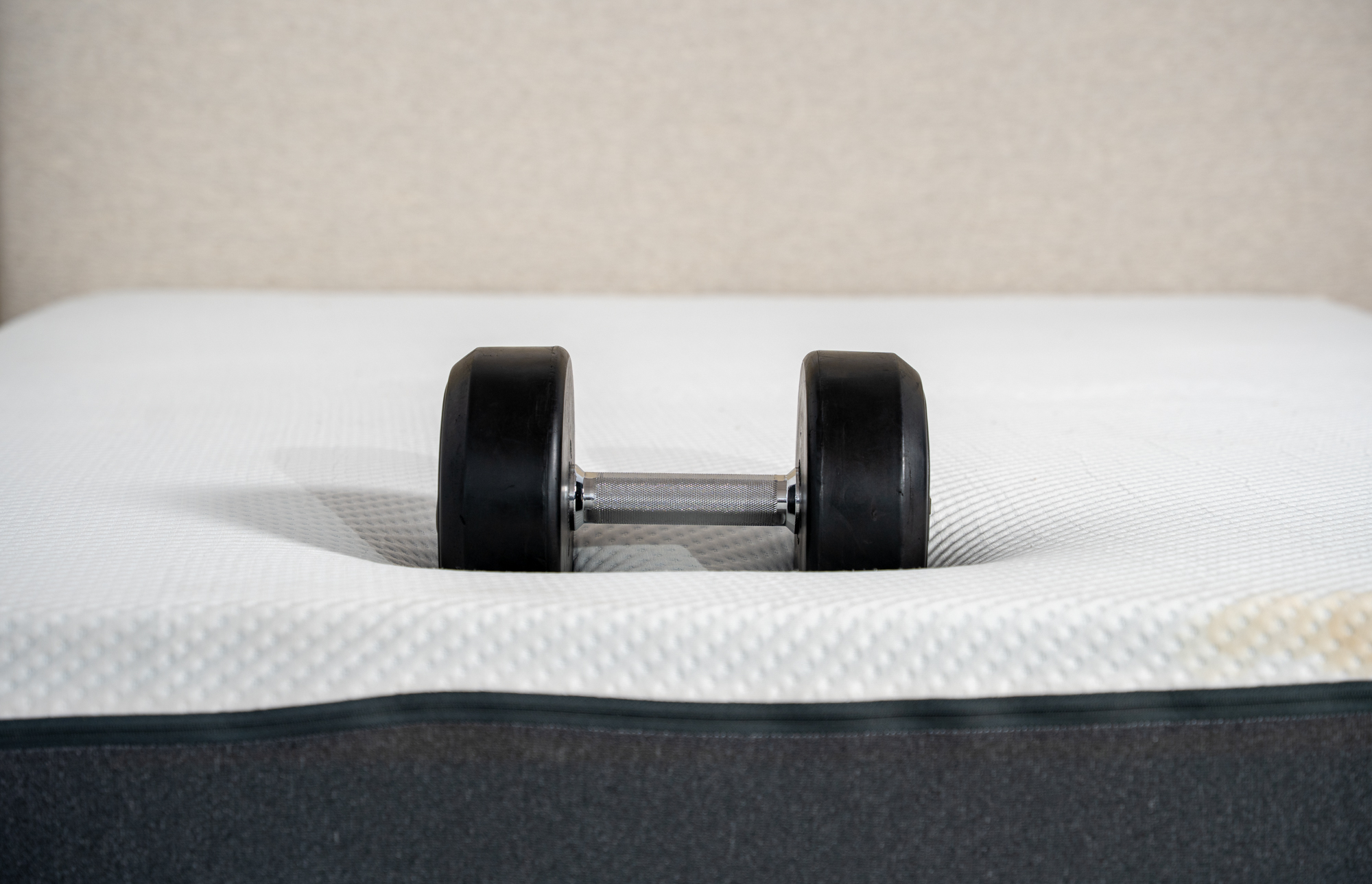
The Emma Original has deeper sinkage than most mattresses I’ve tested — making it unsuitable for a wider range of sleepers than Emma sleep implies. We noticed 6–7 inches of deep sinking when my partner was lying on the mattress, indicating the Emma original will cause discomfort and inadequate back support for average to heavier weight individuals. There is also less foam resilience than competing mattresses, compounding the “stuck” sensation.
The mattress response time was average, recovering from movements somewhat fast — but the deep initial sinkage means recovery starts from a deeper compression point than most Canadian customers will find acceptable for consistent sleep quality. This is another Emma performance area where hybrid mattresses — with the natural rebound of pocket springs beneath foam layers — meaningfully outperform the Emma original.
How does it suit different sleeping positions?
Side Sleepers
Some side sleepers who prefer softer memory foam mattress options will appreciate the initial cushioning of the Emma Original — but it is doubtful it will provide them adequate support and pressure relief over time. The soft comfort layer can cause pressure points to build at the hips and shoulders rather than relieve them for side sleepers of average body weight, and the weak edge support limits usable bed surface. Side sleepers seeking a genuinely supportive mattress will find better targeted support from Endy or Silk & Snow.
Back Sleepers
The Emma original does not offer enough support to keep the spine aligned and back properly supported for back sleepers — I would not recommend this mattress to back sleepers of any weight. The soft memory foam comfort layer allows the lumbar region to sink too deeply, undermining spinal alignment and resulting in back support deficits that accumulate over nights of use.
Stomach Sleepers
Stomach sleepers should choose a mattress with a medium firm or firmer feel that provides strong hip and midsection support — and the Emma original delivers neither. The deep sinkage of the Emma original mattress is particularly problematic for stomach sleepers, who need the mattress to resist hip sinkage for proper alignment. The Endy Firm would be a far better alternative for stomach sleepers seeking a reliable, supportive mattress in Canada.
Combination Sleepers
Combination sleepers will benefit from the moderate motion isolation of the Emma original — but it is doubtful they will consistently feel supported or comfortable as they transition between positions. The deep sinkage and slow recovery of the Emma original mattress make smooth sleeping position transitions difficult. We recommend looking into better-quality mattresses with pocket springs — such as the Endy Hybrid or Silk & Snow Hybrid — that provide both motion isolation and responsive targeted support.
Lightweight Sleepers
Lightweight people can feel comfortable on this softer memory foam mattress as they do not sink as deeply or require as much structural support as heavier sleepers. For very light sleepers of modest weight, the Emma original is tolerable for short-term use — though even here, the cooling properties limitations and weak edge support remain consistent drawbacks.
Heavy People
Heavier individuals should steer clear of the Emma Original. The support foam base and soft memory foam comfort layer are not engineered for higher body weight, and the sagging and diminishing support that develops over time will worsen significantly for heavier Canadian customers. A mattress with pocket springs, dedicated support foam depth, and reinforced edge support — such as the Silk & Snow Hybrid — is the appropriate choice.
Should You Buy the Emma Mattress?
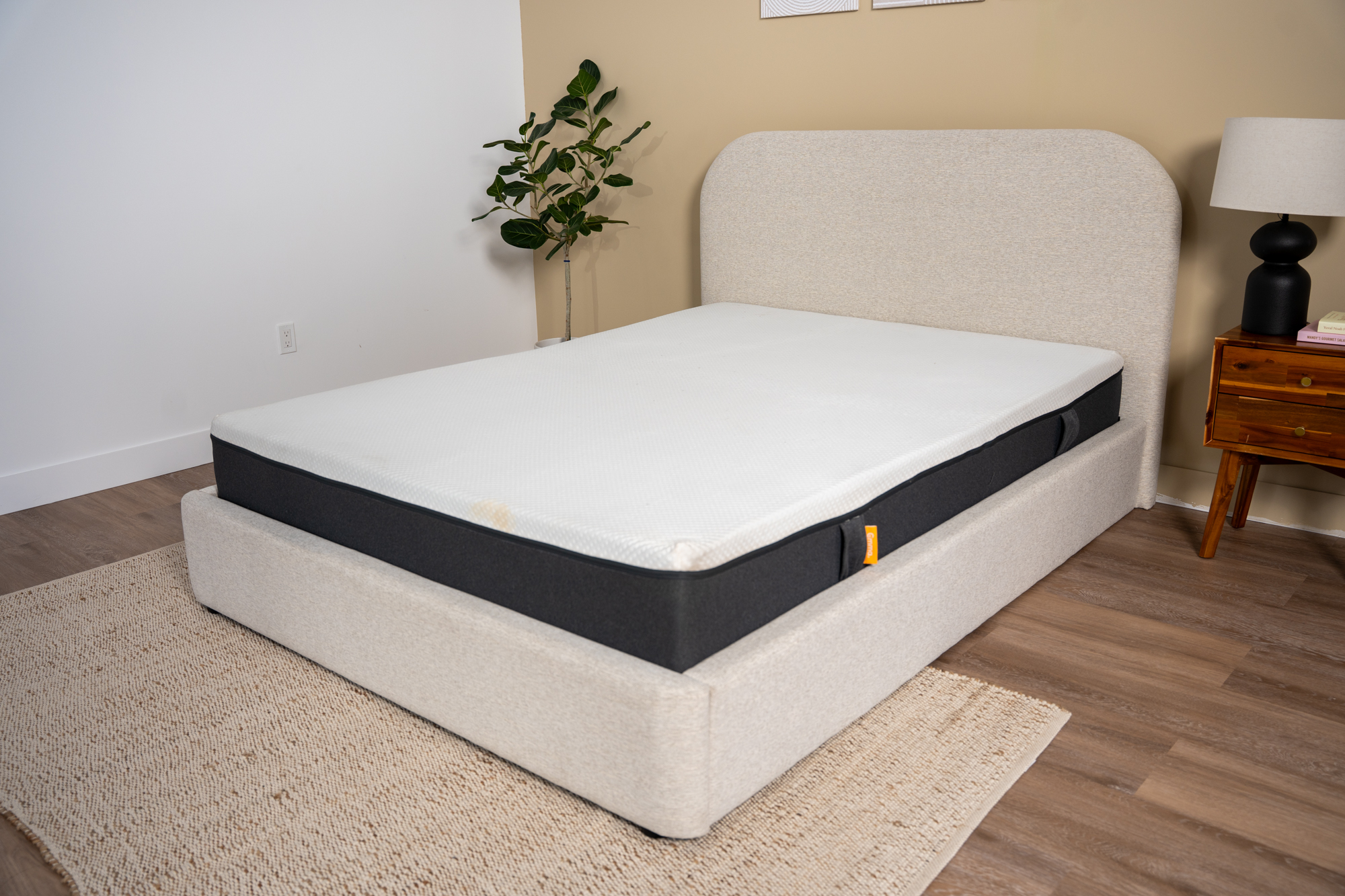
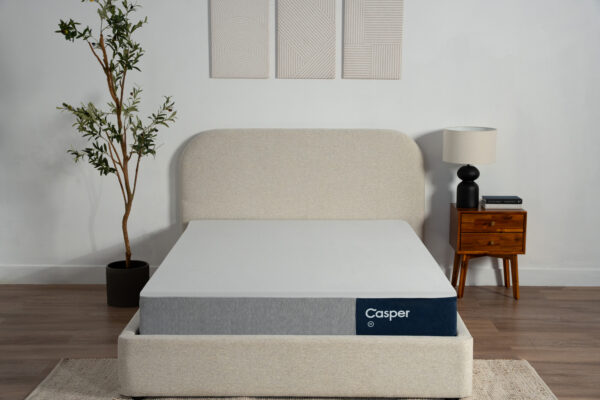
The Emma Original did not meet expectations in comfort, support, or firmness, and creates a sinking, unsupported feeling for any average to heavier-weight individual. For nearly $950 for a queen in Canada, this mattress does not perform nearly as well as similar-range mattresses from brands like Casper and Endy. The cooling properties failure was the most disappointing finding, which could leave Canadian customers who sleep warm in significant discomfort every morning.
Although the Emma mattress is seemingly always on sale — a pricing practice investigated by the CMA in 2022 and found to be misleading — it does not offer meaningful customer satisfaction or targeted support performance improvements over genuinely lower-priced alternatives. The 365-night sleep trial and 10-year warranty are the Emma original’s most defensible features, but a long night trial is only valuable if the mattress is worth keeping. The difficult return process reported by Canadian customers further undermines the value of these terms.
From the mattresses I’ve tested, I recommend The Endy and The Casper mattresses for those seeking a comfortable and reliable all-foam mattress in Canada. Both offer multiple firmness levels, genuine cooling properties, strong edge support, a machine washable cover, and full refund return policies that actually deliver — giving you far more customer satisfaction and value for money than the Emma original mattress.
Please note: All prices referenced in this article reflect MSRPs and are accurate to the best of our knowledge as of April 1, 2026.
Frequently Asked Questions
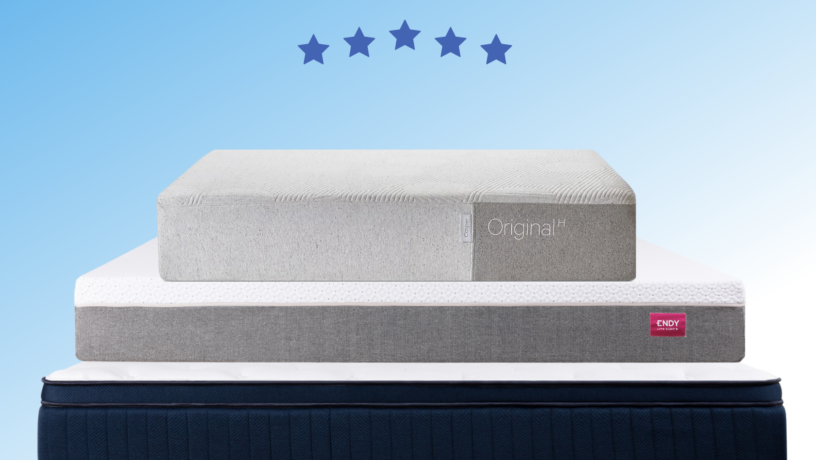
How Emma Compares to Similar Mattresses
|
Emma Mattress |
The Endy Mattress |
Silk & Snow S&S |
The Casper |
|
| Rating |
7.79/10 |
9.59/10 |
9.01/10 |
8.74/10 |
| Firmness |
Soft: 3/10 |
Medium-firm: 6.5/10 |
Medium-firm: 6.5/10 |
Medium-firm: 6.5/10 |
| Material |
Memory Foam |
Memory Foam |
Memory Foam |
Memory Foam |
| Cooling |
|
|
|
|
| Best For |
Lightweight sleepers, Short term use |
Suits a wide range of sleepers |
Suits a wide range of sleepers |
Suits a wide range of sleepers |






About Our Author