


What is a Cooling Mattress? Find the Best Cooling Mattress for you

If you sleep hot, wake up damp, or struggle to stay comfortable through the night, a cooling mattress is one of the most effective upgrades you can make to your sleep environment. For hot sleepers across Canada, a purpose-built cooling mattress can mean the difference between restless nights and genuinely restorative sleep.
Quick Summary: Best Cooling Mattress Picks
A quality cooling mattress works by drawing body heat away from your sleep surface, promoting airflow through breathable layers and coil systems, and using advanced materials — like gel infused foam, thermally conductive infusions, and specially structured foam — to regulate temperature throughout the night. Unlike a regular mattress that passively traps warmth, the best cooling mattress options are engineered to address this problem directly and keep you sleeping comfortably, regardless of the season.
Cooling mattresses improve sleep quality by regulating body temperature, helping you fall asleep faster and minimizing nighttime awakenings. Research shows that maintaining a cool sleep surface stabilizes sleep architecture and can increase slow-wave sleep by up to 16 percent — the deepest, most restorative stage.
Whether you are comparing hybrid mattress designs with pocketed coils, evaluating an all foam mattress with gel-based cooling, or seeking the best value cooling mattress for your budget, this guide covers everything you need to know. You can find our complete, ranked picks in our roundup of the Best Cooling Mattress in Canada 2026, organized by sleeping position, body weight, and budget. The sections below cover every aspect of cooling mattress technology in detail — from how gel foam and memory foam layers perform under real sleep conditions, to how side sleepers, back sleepers, stomach sleepers, and combination sleepers should approach firmness and material selection.
Difference Between a Cooling Mattress and a Regular Mattress
Understanding what separates a cooling mattress from a regular mattress is the foundation for evaluating product claims in this category.
What Is a Cooling Mattress?
A cooling mattress is specifically designed to regulate sleeping temperature by using materials and structural features that minimize trapped warmth and actively dissipate body heat away from the sleeper. These include breathable covers made from Tencel or organic cotton, gel infused foam in the comfort layers, open cell foam construction, PCM-treated fabrics, and pocketed coils that allow air to circulate through the mattress. The goal is to prevent body heat from accumulating at the sleep surface and maintain a comfortable surface temperature through the full night.
According to sleep research cited by Flo Health, the ideal sleeping environment temperature falls between 15 and 19 degrees Celsius. A mattress that traps warmth makes it significantly harder for the body to reach the lower core temperature required for sleep onset and deep sleep. A well-designed cooling mattress supports this physiological process passively — without any active adjustment from the sleeper.
What Is a Regular Mattress?
A regular mattress — whether a traditional memory foam mattress, a standard foam mattress, or an innerspring model — is not engineered for temperature regulation. Traditional memory foam, in particular, is known for trapping body heat due to its dense, closed-cell structure, which restricts airflow. As Bevmarks notes in its mattress material comparisons, standard memory foam can raise perceived sleeping temperature significantly compared to hybrid or natural latex alternatives — a serious problem for hot sleepers.
Without dedicated thermal features, a regular mattress relies entirely on bedding and room temperature for comfort. There is no mechanism for actively moving body heat away from the sleep surface during the night.
Heat Retention vs. Temperature Regulation
The central difference comes down to passive heat retention versus active temperature regulation. A regular mattress holds body heat during sleep, causing the sleep surface to stay warm. A cooling mattress uses a combination of cooling technology — gel foam, breathable construction, thermally active cover materials, pocketed coils — to absorb, conduct, and disperse that warmth, keeping the surface within a comfortable range.
A cooling hybrid mattress that pairs foam comfort layers with individually wrapped pocketed coils allows warmth to escape downward through the coil chamber. These deliberate design choices define what makes the best cooling mattress fundamentally different from a standard memory foam mattress.
Cooling Technology: How It Works
The effectiveness of any cooling mattress depends on the specific cooling technology used. Understanding the mechanics of each approach lets you evaluate product claims critically and make a more accurate comparison between models.
The Role of Airflow in Temperature Control
Airflow is the most fundamental cooling mechanism. When air moves freely through a mattress, it carries body heat away from the sleep surface and prevents warmth from building up. In a hybrid mattress, the pocketed coil support core creates an open air chamber beneath the foam layers, allowing heat to escape continuously throughout the night. This makes hybrid constructions inherently more breathable than all foam mattress alternatives, which rely entirely on the foam material itself to manage warmth.
This breathable foam structure is specifically engineered to promote internal airflow. Unlike dense, closed-cell memory foam, which traps air and body heat in a sealed structure, this breathable foam construction has an interconnected internal structure that lets air circulate through the layers. This prevents body heat from accumulating in the comfort layer and is a key factor in the cooling performance of leading foam mattresses. For hot sleepers who want the contouring feel of foam, this breathable construction is a meaningful upgrade over standard memory foam in terms of breathability.
Heat Absorption vs. Heat Conduction
Cooling technologies fall into two primary categories: heat absorption and heat conduction. Heat absorption technologies — most commonly gel infused foam and PCM-treated cover materials — draw warmth into the material and temporarily store it before releasing it away from the sleeper. Heat conduction technologies — such as graphite-infused and copper infused foam — move warmth away from the body by using the thermal conductivity of the infused material. Graphite-infused foam can dissipate heat up to three times faster than gel foam, making it one of the more effective solutions in premium mattress construction.
Where Phase Change Materials Fit In
Phase change materials are typically incorporated at the top of a cooling mattress — in the cover or upper layers. They activate at a specific temperature, absorbing warmth to prevent the surface from climbing further. When the temperature drops — such as when a sleeper shifts position — they release stored heat into the ambient environment rather than back toward the body. This two-directional responsiveness makes PCMs one of the most sophisticated thermal regulation technologies currently used in mattress design.
Gel Foam
Purpose and Initial Cooling Effect
Gel foam — also called gel infused foam or cooling gel — is among the most widely used cooling technologies in the Canadian mattress market. It is created by infusing a gel substance into a memory foam or polyfoam layer during manufacturing, producing a comfort layer with improved thermal properties compared to standard memory foam. The gel absorbs body heat as it transfers from the sleeper into the mattress, creating the cool-to-touch sensation that many hot sleepers notice at sleep onset.
For hot sleepers, this cool sensation supports faster sleep initiation — particularly for those who struggle with elevated body temperature at the beginning of the night. Gel infused foam is available in a range of densities and firmness levels, including medium firm and firmer options suited to back sleepers, stomach sleepers, and heavier sleepers who need more structural support alongside the cooling benefit.
Gel Saturation Over Time
Because gel foam works through absorption, its performance is finite. Over several hours, the gel can reach capacity — a process called saturation — and may begin retaining warmth more like traditional memory foam. Gel saturation is a known limitation, particularly for hot sleepers who run warm throughout the full sleep period.
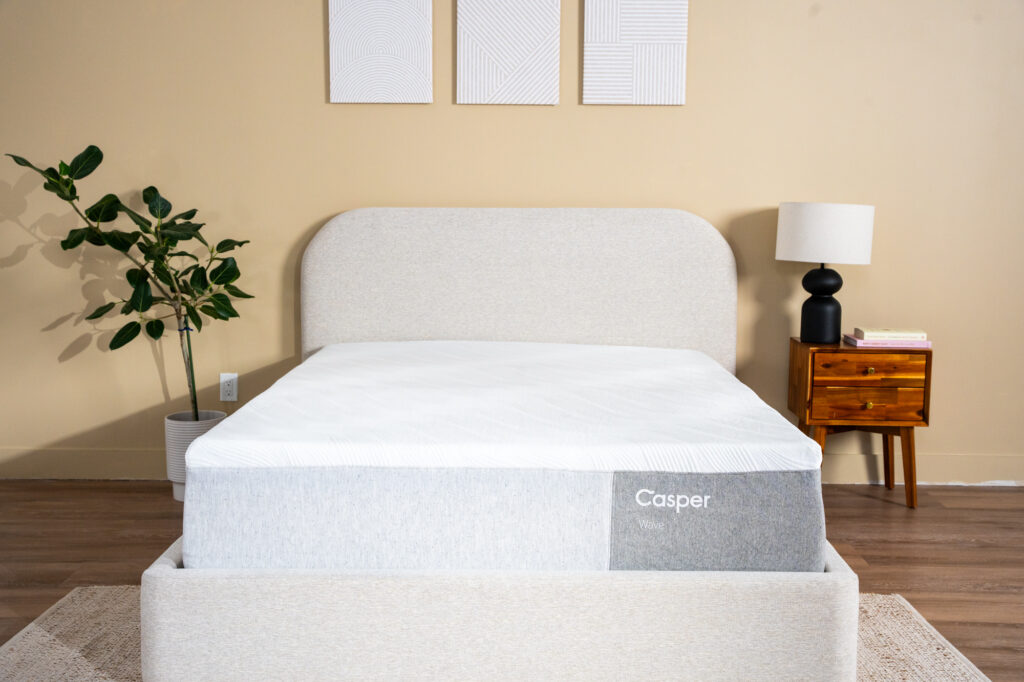
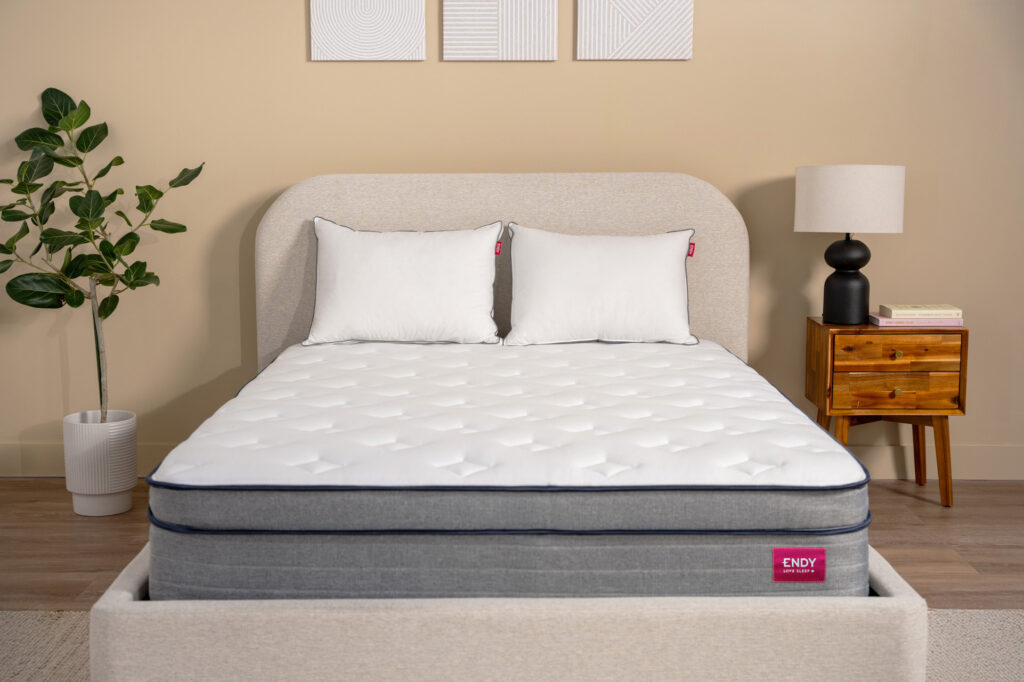
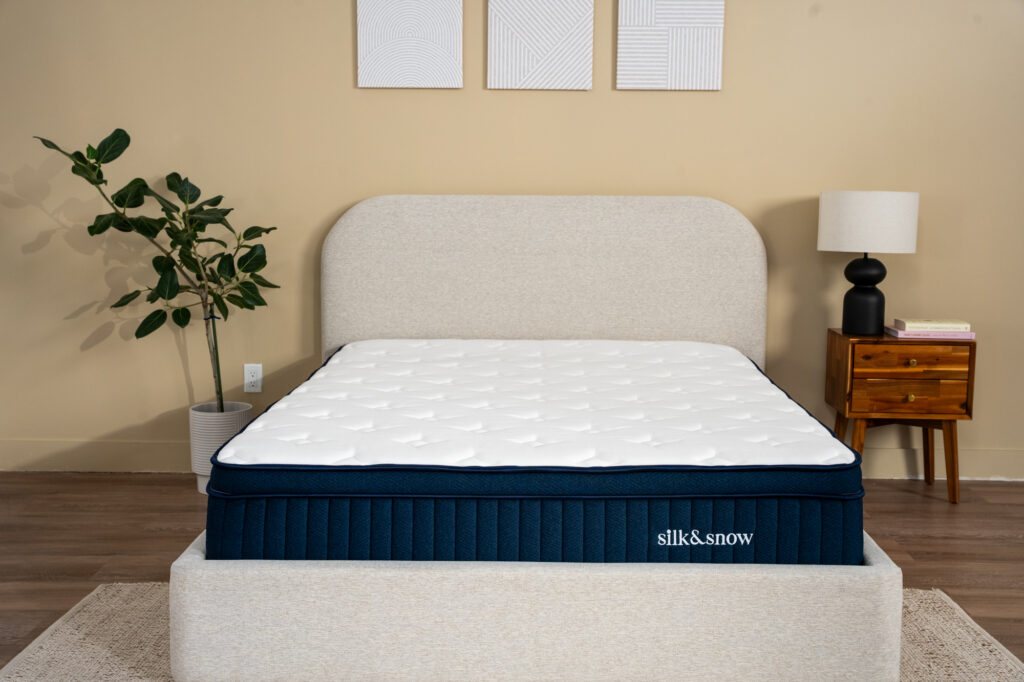
Canadian gel foam mattresses like the Endy Original and Endy Hybrid incorporate cooling gel in their memory foam layers. Similarly, the Casper foam and hybrid mattresses and the Silk & Snow S&S and Hybrid mattresses use gel infused foam as a core cooling feature. These models perform well during the early hours of sleep, making them solid choices for sleepers who run warm but do not experience severe overheating throughout the full night.
Infused Foam
Conductive Infusions: Graphite and Copper
Beyond gel, a second category of thermally treated foam uses conductive materials — primarily graphite and copper — to move heat away from the body rather than simply absorbing it. Graphite-infused foam dissipates body heat up to three times faster than gel alone, making it particularly suited for hot sleepers who experience sustained overheating throughout the night. Copper infused foam offers both thermal conductivity and natural antimicrobial properties — a useful secondary benefit alongside its cooling function.
Both graphite and copper infusions represent a measurable step up in cooling performance over standard gel foam — particularly in the all foam mattress category, where pocketed coils are not present to assist with active ventilation. When these conductive materials are layered above a pocketed coil support core in a hybrid mattress, the cooling performance improvement is compounded significantly.
Evaluating Infused Foam Claims
Thermal claims for treated foam vary widely across the mattress industry. The concentration of the infused material, the depth of infusion, and the density of the base foam all affect real-world outcomes. At Best Sleep Society, we evaluate cooling performance through controlled heat dissipation testing rather than relying solely on manufacturer marketing.
The Hush Graph-Iced mattress is a notable Canadian example of graphite-infused technology in practice. It uses graphite to address the trapped-warmth problem common to dense memory foam layers, and it is one of the higher-performing options we have tested in the all foam cooling mattress category. The Casper mattress lineup also incorporates copper infused foam in select models, enhancing both thermal performance and material durability.
Open Cell Foam
How Open Cell Foam Promotes Airflow
Open cell foam is a structural approach to cooling rather than a material additive. In a standard dense memory foam layer, the internal cells are sealed — trapping air and body heat within the foam structure. Open cell foam breaks down the walls between those cells, creating an interconnected network through which air circulates freely. This significantly reduces heat accumulation in the comfort layer and allows warmth to dissipate through the material rather than becoming trapped.
The improved internal airflow also means open cell foam responds more quickly to movement and temperature changes, making it a better choice for hot sleepers who shift sleeping position frequently during the night. It is commonly used in foam comfort layers that need to balance pressure relief with breathability — a balance that dense, closed-cell memory foam cannot achieve without sacrificing one quality for the other. This breathable foam construction is one of the most reliable structural features to look for when comparing the best cooling mattress options in Canada.
Common Open Cell Foam Examples in Canadian Mattresses
Among Canadian mattress brands, Endy uses open cell memory foam in its construction to improve breathability compared to earlier dense foam predecessors. On the premium end, the Casper Wave Hybrid Snow features AirScape Technology — Casper’s proprietary open cell foam construction — which creates a perforated, highly breathable layer designed specifically for cooling performance. AirScape combines the ventilation benefits of this open-celled construction with a multi-zone pressure relief design, making it one of the more technically sophisticated foam implementations available in Canada.
Phase Change Materials (PCMs)
Phase change materials represent one of the most sophisticated thermal regulation technologies in mattress design today. PCMs operate through thermodynamics: tiny microcapsules — each containing a substance that transitions between solid and liquid states at a specific temperature — are embedded in a cooling cover or upper foam layer. When the mattress surface reaches the activation temperature, the microcapsules absorb warmth as the material changes state, buffering the surface and preventing it from rising further.
This process is reversible and continuous throughout the sleep period. When the temperature drops — for example when a sleeper changes sleeping position — the microcapsules solidify again, releasing stored heat into the ambient environment rather than back toward the sleeper. This two-directional, reactive quality distinguishes PCM technology from passive cooling approaches and makes it particularly effective for hot sleepers who experience temperature fluctuations throughout the night.
Evaluating PCM Durability and Real-World Impact
PCM performance varies based on microcapsule concentration, the quality of the encapsulation process, and how deeply the material is incorporated into the mattress. A light PCM coating on a cooling cover has a shorter effective window than a densely treated foam layer. Over time and with washing, PCM coatings can degrade — making durability an important factor when comparing mattresses that make temperature-regulation claims.
At Best Sleep Society, we assess these materials by measuring temperature regulation over a full sleep cycle, not only at initial activation. The Casper Original Hybrid incorporates PCM technology to buffer temperature spikes and extend the cooling window beyond what gel foam achieves alone. The Casper Wave Hybrid Snow combines PCM treatment with AirScape open cell foam and a multi-layer hybrid construction for comprehensive, sustained temperature regulation — among the most complete effective cooling mattress options available in Canada.
Heat Retention: Tests, Metrics, and Claims
Measuring how a mattress manages trapped warmth is central to the way Best Sleep Society identifies the best cooling mattress options for Canadian sleepers. Heat retention is one of the most important — and most commonly overstated — performance metrics in this category.
Our testing protocol measures surface temperature at baseline, at 30-minute intervals over an eight-hour simulated sleep period, and following sleeping position changes. Thermal imaging is combined with calibrated contact sensors to capture both surface and subsurface readings. This approach lets us distinguish mattresses that cool well at sleep onset but lose effectiveness mid-night — a common pattern with gel foam approaching saturation — from those that maintain consistent temperature management throughout the full period.
We also evaluate cooling performance across different sleeping positions and body weights. A medium firm hybrid mattress that performs well for a lightweight side sleeper may generate significantly higher surface temperature readings for a heavier stomach sleeper who sinks more deeply into the memory foam layers. Our methodology accounts for these variables so that results are relevant across different user profiles.
Beyond raw temperature data, our assessment covers breathability, moisture management, PCM effectiveness and longevity, open cell foam density, gel infusion concentration, pocketed coil design, and the quality of the cooling cover as the first layer of contact. These factors collectively determine the final cooling performance score, which is published in the full Best Cooling Mattress in Canada 2026 article alongside rankings for pressure relief, edge support, motion transfer, and overall value.
Cooling Hybrid Mattress Designs and Coils
Why Hybrid Designs Outperform All-Foam for Hot Sleepers
For hot sleepers, the cooling hybrid mattress is the most structurally effective mattress construction available. A hybrid mattress combines foam comfort layers — which provide pressure relief and contouring — with a pocketed coil support core that creates an open air chamber beneath the foam. As the sleeper moves during the night, air is cycled through this coil chamber and out through the sides of the mattress, preventing warmth from accumulating at the sleep surface.
This structural advantage means that even a hybrid mattress with a medium firm memory foam comfort layer will typically outperform an equivalent all foam mattress on cooling performance — because the coil system enables active ventilation that foam alone cannot replicate. For hot sleepers, this is a fundamental construction difference, not a marginal one. Pocketed coils also enhance edge support and pressure relief by providing a consistent, zone-specific response that foam layers cannot deliver on their own.
Hybrid Airflow vs. All-Foam Airflow
In an all foam mattress, airflow depends entirely on the foam layers. Open cell foam construction and gel infused foam meaningfully improve breathability, but a fully enclosed foam structure places inherent limits on ventilation. Warmth must move through the foam to escape — there is no open channel beneath.
A cooling hybrid mattress bypasses this constraint. The pocketed coils create a continuous ventilation channel below the foam comfort layers. Combined with breathable layers above — gel infused memory foam, breathable natural latex, or open cell foam — a hybrid construction addresses trapped warmth at both the surface and subsurface levels simultaneously. For hot sleepers who need consistent all-night cooling, a hybrid mattress is the more reliable structural choice over an all foam alternative.
Individually Wrapped Coils
How Pocketed Coils Improve Ventilation
Individually wrapped coils — also called pocketed coils or pocket springs — are the coil system used in modern hybrid mattresses. Unlike traditional open coil systems where springs are connected in a continuous grid, pocketed coils are individually encased in fabric, allowing each coil to compress independently. This design maximizes the open air space within the coil system and is the primary reason hybrid mattresses outperform all foam options for hot sleepers on overnight cooling.
Because individually wrapped coils are encased independently, the space between them remains open. Air flows freely through this unobstructed network, creating the ventilation effect that defines hybrid cooling performance. Coil count and gauge are useful indicators of both support quality and airflow potential: higher coil counts generally mean denser pocketed coil spacing, which can still maintain strong ventilation while improving support consistency and edge support across the full mattress surface.
A well-designed pocketed coils system also contributes to edge support around the mattress perimeter, preventing surface collapse when a sleeper sits or lies near the edge. This is relevant for couples using the full sleep surface and for sleepers with limited mobility who need a stable, firm edge when getting in and out of bed.
Testing Motion Isolation in Pocketed Coil Systems
Motion isolation — how much one partner’s movement transfers across the mattress surface — is a key sleep quality factor for couples sharing a bed. At Best Sleep Society, we test motion transfer using a standardized protocol: a weighted object is dropped from a fixed height at one side of the mattress, and resulting vibration is measured at a set distance using accelerometer equipment. This produces a repeatable, quantifiable measure of disturbance isolation.
Individually wrapped coils significantly outperform traditional open-coil innerspring systems on motion isolation, because each pocketed coil responds to pressure locally without forcing adjacent coils into the same compression pattern. This mechanical advantage also makes hybrid mattresses with pocketed coil support cores a strong choice for couples where one partner sleeps hot and the other does not — the same construction that delivers cooling also delivers motion transfer reduction.
Best Cooling Mattresses: Testing Criteria and Top Picks
Our Testing Criteria
Identifying the best cooling mattress in Canada requires more than manufacturer specifications. At Best Sleep Society, we evaluate every mattress against consistent cooling-specific and sleep-quality criteria that produce meaningful, comparable data across all tested models.
Our core testing criteria include:
- Heat retention: surface temperature testing at baseline and over a full eight-hour simulated sleep period, with measurements at regular intervals and following sleeping position changes
- Breathability: evaluation of the cooling cover, foam layers, and pocketed coil system for sustained airflow and ventilation
- Cooling technology assessment: verification of gel infusion, open cell foam, PCM treatment, copper or graphite infusions, and cooling cover features
- Motion transfer: standardized disturbance testing to evaluate how well pocketed coils and foam layers isolate movement between sleep partners
- Edge support: assessment of perimeter firmness and surface stability for both sleeping and seated positions
- Pressure relief: evaluation of how effectively the foam layers distribute weight and reduce pressure points at the shoulders, hips, and lower back across different sleeping positions
- Sleeping position suitability: testing in back, side, stomach, and combination sleeping positions at varying body weights
- Sleep trial and warranty: review of trial length, return policy terms, and warranty coverage for each model
| Mattress | Cooling Rating | Type | Price (Queen) |
| Casper Wave Hybrid Snow Mattress | 10/10 | Hybrid | $3999 |
| The Endy Hybrid Mattress | 9/10 | Hybrid | $1295 |
| Silk & Snow Hybrid Mattress | 9/10 | Hybrid | $925 |
| Hush Graph-Iced Cooling Mattress | 9/10 | Hybrid | $2099 |
| The Endy Mattress | 9/10 | Foam | $895 |
Who Benefits Most: Hot Sleepers and Specific Needs
Defining Hot Sleepers
Hot sleepers are individuals who consistently generate or retain significant body heat during sleep, resulting in discomfort, night sweats, frequent tossing and turning, and disrupted sleep continuity. Common symptoms include waking up overheated or damp, kicking off blankets, and difficulty returning to sleep due to warmth. For hot sleepers, a cooling mattress is a functional necessity — the right choice reduces nighttime awakenings and helps maintain the cooler core temperature that deeper sleep stages require.
The best cooling mattress for a specific hot sleeper depends on sleeping position, body weight, and the pattern of warmth they experience. Side sleepers and stomach sleepers who are also hot sleepers often need different things from a cooling mattress: side sleepers need a thicker, more contouring comfort layer for pressure relief, while stomach sleepers need a medium firm to firm surface that prevents hip sinkage. Understanding this intersection between sleeping position and cooling needs is essential to making the right choice.
Perimenopausal and Menopausal Buyers
Hot flashes and night sweats during perimenopause and menopause are among the most common reasons Canadian women seek out a cooling mattress. Hormonal fluctuations during this life stage cause unpredictable and intense body heat episodes that can wake a sleeper multiple times per night — and a mattress with poor thermal management will amplify these episodes.
For perimenopausal and menopausal buyers, the most effective cooling mattress options combine PCM-treated cover materials for reactive temperature buffering with a hybrid construction or open cell foam for sustained overnight airflow. A cooling cover made from Tencel or organic cotton adds moisture-wicking comfort alongside the mattress’s thermal features. Using a breathable protector is strongly recommended for this group — one that maintains waterproof protection without blocking the cooling cover or comfort layers beneath. Learn more about How Menopause Affects Sleep from our sleep expert, Talia Shapero.
Athletes and High-Sweat Sleepers
Athletes tend to sleep hot because their bodies generate elevated metabolic heat during physical recovery — a process that occurs primarily during sleep. This sustained temperature elevation means athletes need a cooling mattress that performs across the full eight hours, making gel saturation a real concern.
For athletes and high-sweat sleepers, a hybrid mattress with individually wrapped pocketed coils, open cell foam, and conductive infusions — graphite or copper — offers the most complete cooling performance profile. Pairing the mattress with moisture-wicking sheets and a breathable protector creates a full thermal sleep system. For athletes who prefer a softer surface, a natural latex topper can add contouring pressure relief without sacrificing cooling performance. Medium firm options are a practical starting point for most athletes, providing firm enough support for back and stomach sleeping positions while keeping the comfort layer thin enough to avoid excessive foam immersion.
Infused Foam, Gel Foam, and Open-Cell Choices
When comparing cooling mattress options that rely primarily on foam-based cooling technologies, three variables are most important: foam density, airflow construction features, and the initial cool-to-touch effect.
Foam Density and Airflow Features
Higher density foam provides more durable pressure relief but restricts airflow more than lower-density alternatives. For a cooling mattress, the ideal comfort layer balances sufficient density for structural longevity with enough openness to allow air movement. Look for open cell foam construction noted in product specifications, and note whether the manufacturer specifies the density of the gel infused memory foam layer — lower-density open cell foam generally outperforms high density foam of the same thickness on cooling metrics.
Airflow features to evaluate include: open cell foam notation in product specs, perforations or channels cut into the foam layers, the presence of graphite or copper infusions, and the depth of gel infusion concentration within the comfort layer. For back sleepers and stomach sleepers, a medium firm mattress with a thinner, lower-density comfort layer often provides better cooling performance alongside the firmer support these sleeping positions require. Side sleepers may need to balance the extra foam thickness needed for shoulder and hip pressure relief with the cooling tradeoffs that come with it.
Testing the Initial Cool-to-Touch Effect
The cool-to-touch feel of a mattress surface is a useful but incomplete indicator of cooling performance. It primarily reflects the quality of the cooling cover and the topmost foam — not the mattress’s ability to regulate temperature across a full night. A mattress with a strong initial cool-to-touch sensation but limited PCM treatment or breathable foam in its deeper layers may perform well in a brief showroom test but underperform for hot sleepers over a full eight hours.
When evaluating mattresses — whether in person at Sleep Country Canada or through an online sleep trial — note how the surface feels both immediately upon contact and after five to ten minutes. Sustained coolness is a more reliable indicator of genuine cooling technology performance than an instant sensation alone. For combination sleepers testing mattresses online, evaluating across different seasons and room temperatures during the full trial period will give the most accurate picture of long-term cooling performance.
Motion Transfer, Edge Support, and Sleep Quality
Motion Transfer Testing
Motion transfer is a critical factor for couples sharing a bed, and it is directly influenced by the support core and comfort layer construction used. At Best Sleep Society, we test motion transfer using a standardized protocol: a weighted object is dropped from a fixed height at one side of the mattress, and the resulting vibration is measured at a set distance using accelerometer equipment. This produces a quantifiable, repeatable measure of how effectively the mattress isolates movement.
Hybrid mattresses with pocketed coils consistently outperform traditional open-coil innerspring models on motion isolation. Among all foam mattress options, denser memory foam absorbs motion effectively — but this comes at the cost of cooling performance, a trade-off that the best cooling mattress designs address through targeted density zones combined with open cell foam construction. For side sleepers and combination sleepers who share a bed, a cooling hybrid mattress delivers the best combination of motion transfer reduction and sustained cooling.
Edge Support
Edge support measures how well a mattress maintains structural stability along its perimeter. Strong edge support allows couples to use the full sleep surface without rolling inward, and provides a firm platform for getting in and out of bed — particularly relevant for sleepers with limited mobility, joint pain, or conditions like sciatica or ankylosing spondylitis.
Hybrid mattresses with reinforced pocketed coil perimeters typically deliver stronger edge support than all foam alternatives, where the comfort layers compress more under seated body weight at the edge. For hot sleepers with pain-related sleep needs, edge support should be evaluated alongside pressure relief and firmness when selecting a cooling mattress. A medium firm cooling hybrid mattress will generally deliver better edge support than a softer all foam option at the same price point. Back sleepers and stomach sleepers may also benefit from the firmer edge support that a well-designed pocketed coil perimeter provides.
How Cooling Features Interact with Pressure Relief
Pressure relief and cooling performance can be in tension in mattress design: the materials that best deliver pressure relief — dense, slow-response memory foam — are also the most prone to trapping body heat. The best cooling mattress designs resolve this tension by using open cell foam or gel infused memory foam in the comfort layer, delivering the body-contouring pressure relief that side sleepers and combination sleepers need while maintaining the breathability that hot sleepers require.
For back sleepers and stomach sleepers, a medium firm cooling mattress with a pocketed coil support core and a thinner open cell or gel foam comfort layer typically delivers the right balance of support, pressure relief, and cooling performance. For side sleepers, a thicker comfort layer is needed for shoulder and hip pressure relief — which makes the cooling credentials of that specific layer — whether open cell foam, gel infused foam, or natural latex — more important to evaluate carefully.
Best Cooling Mattress: The Verdict
After extensive testing and comparison across the Canadian mattress market, our position is clear: the best cooling mattress is one that combines multiple cooling technologies. Gel infused foam alone will not keep hot sleepers cool through an eight-hour sleep period. PCM treatment adds reactive temperature buffering. Open cell foam ensures sustained breathability within the comfort layers. Pocketed coils in a hybrid construction provide the active airflow that all foam mattresses fundamentally cannot replicate. And natural latex in the comfort layer adds breathable pressure relief that dense memory foam cannot match at the same firmness level.
The right cooling mattress also depends on sleeping position, body weight, and specific needs. For most hot sleepers, a medium firm cooling hybrid mattress with individually wrapped pocketed coils, a breathable open cell or gel infused memory foam comfort layer, and a breathable cooling cover is the optimal starting point. The ideal combination for a lightweight side sleeper will differ from the right choice for a heavier stomach sleeper, and our testing accounts for these distinctions.
For our full ranked list of the best cooling mattresses in Canada in 2026 — including the best value cooling mattress, the best luxury cooling mattress, the best all foam mattress for hot sleepers, and the best cooling hybrid mattress — see our Best Cooling Mattress in Canada 2026 article. Our top picks are listed below:
Bedding and Accessories: Mattress Protector, Covers, and Toppers
Cooling Mattress Protectors
A protector is an essential accessory for any cooling mattress — but the wrong one can undermine its thermal features entirely. Many standard waterproof protectors use a polyurethane membrane that creates a heat-trapping barrier over the sleep surface. For hot sleepers, this can negate even the best cooling mattress. A breathable protector made from Tencel, bamboo, or open-weave cotton with a moisture-permeable waterproof backing is the right choice: it protects against spills without blocking the cooling cover or foam layers beneath.
At Best Sleep Society, we test cooling-compatible protectors for breathability using the same surface temperature monitoring protocol used for mattresses. Canadian retailers including Sleep Country Canada carry breathable protector options designed for use with cooling mattresses. Pair the right protector with your mattress to ensure the thermal features are fully preserved throughout the product’s lifespan.
Upgraded Cooling Covers
Some cooling mattresses offer upgraded covers infused with PCM treatment or made from premium Tencel-blend fabrics. When evaluating a cooling cover upgrade, pay attention to the PCM activation temperature — a lower activation point means the cover responds earlier in the sleep cycle and is more beneficial for hot sleepers who overheat shortly after lying down. Tencel covers are inherently breathable and moisture-wicking without requiring thermal activation, making them a reliable, low-maintenance option for most hot sleepers. If your top priority is all-night temperature regulation, a cover with a phase change material treatment is the stronger technical choice.
Cooling Toppers and Moisture-Wicking Sheets
If your current mattress is underperforming on cooling, a natural latex or open cell foam topper can provide a meaningful improvement without a full mattress replacement. Natural latex sleeps significantly cooler than memory foam alternatives and adds both pressure relief and breathability to the sleep surface. This is an effective option for side sleepers and combination sleepers who otherwise like their mattress but need improved thermal performance.
Pairing your cooling mattress with moisture-wicking sheets is equally important. Sheets made from bamboo, Tencel, or linen actively pull moisture away from the body and dry quickly, preventing the damp, clammy feeling that disrupts sleep for high-sweat sleepers. Avoid high thread-count cotton percale sheets, which — despite their soft feel — can retain more body heat than breathable, moisture-wicking alternatives.
Shopping Advice: Fit for Sleep Position, Pain, and Weight
Filtering by Sleeping Position and Body Weight
Your sleeping position and body weight directly influence which cooling mattress will perform best for you in practice. Heavier sleepers — generally above 230 pounds — sink more deeply into foam comfort layers, which increases the contact surface area and the rate of heat transfer between body and mattress. For heavier sleepers, a cooling hybrid mattress with pocketed coils, a high density support layer, and a breathable foam or gel infused comfort layer is strongly recommended over an all foam mattress alternative.
Side sleepers require substantial pressure relief at the shoulders and hips and typically perform well on a medium or medium firm cooling mattress with a thick, breathable comfort layer. Back sleepers need firm spinal support and generally do well on a medium firm cooling hybrid mattress with a thinner memory foam or open cell foam layer. Stomach sleepers need a firmer surface to prevent hip sinkage and should prioritize firmness and edge support alongside cooling claims. Combination sleepers who shift between side, back, and stomach sleeping positions during the night benefit most from a responsive, open cell foam or natural latex comfort layer that facilitates easy position changes. A medium firm option is generally the most accommodating firmness for combination sleepers who also sleep hot.
Trial Periods and Return Policies
The sleep trial is one of the most important factors when purchasing a cooling mattress online. A 100-night trial is the current Canadian market standard, but some brands offer up to 365 nights (such as Endy or Silk & Snow). Cooling performance varies with seasonal temperature changes — factors that a brief in-store evaluation cannot capture — making a longer trial period genuinely valuable for hot sleepers.
Before purchasing, review the return policy carefully: confirm that returns are free, that pickup is included, and whether any conditions could affect eligibility. Understanding the return process removes risk from the decision and allows you to assess the mattress honestly across the full trial period.
Comparing Firmness Options Alongside Cooling Claims
Firmness affects cooling indirectly: a softer mattress allows the body to sink further into the foam layers, increasing contact surface area and heat exchange. A medium firm option keeps the body higher on the sleep surface, reducing foam immersion and improving airflow around the body.
When comparing firmness options for a cooling mattress, evaluate each variant’s cooling claims independently. A medium firm version may use a different foam density or layer thickness than the soft or firm variant — affecting both feel and thermal performance. This matters especially when comparing cooling hybrid mattress options across different firmness tiers from the same brand, where the foam layer specifications can vary significantly between variants despite sharing the same coil system and cooling cover.
Maintenance, Care, and Warranty for Cooling Mattresses
Using a Breathable Mattress Protector
A breathable protector is the most important ongoing maintenance accessory for a cooling mattress. Beyond shielding against spills and allergens, it extends the life of the foam layers and preserves the integrity of any PCM treatment or cooling cover finish. Choose a protector specifically rated for breathability — ideally made from or lined with Tencel or bamboo — and confirm it is compatible with the cooling cover of your mattress model.
Cleaning and Spot-Cleaning Guidance
Most cooling mattresses should not be soaked or machine washed, as excessive moisture can damage foam layers and degrade gel infusion treatments or PCM coatings. For routine maintenance, vacuum the mattress surface monthly using a soft brush attachment to remove dust and allergens from the cooling cover and upper layers. For spot cleaning, apply a mild, diluted detergent with a lightly damp cloth — not a saturated one — and allow the area to air dry fully before replacing bedding. Avoid strong cleaning agents and bleach, which can break down foam materials and alter the properties of thermally treated foam layers.
Rotate your cooling mattress 180 degrees head-to-foot every three to six months to distribute wear evenly across the comfort layers and pocketed coil system. Most modern cooling mattresses are single-sided and should not be flipped — the cooling features are oriented toward the top sleeping surface only.
Warranty and Sleep Trial Evaluation
Most quality cooling mattresses in Canada carry warranties of 10 to 15 years, covering issues such as sagging beyond a defined threshold — typically one inch or more — pocketed coil failure in hybrid models, and structural breakdown in the foam comfort layers. A non-prorated warranty covering full replacement cost throughout its term is significantly more valuable than a prorated warranty that decreases in coverage over time.
When reviewing warranty terms, note: the qualifying defect definition, whether the warranty is prorated, the claim process, and any conditions that void coverage — such as use without a mattress protector. For sleep trials, test the mattress with your usual bedding, protector, and sheets in place — not just the bare mattress — since these accessories meaningfully affect the real-world cooling experience and are what you will be using nightly.
Conclusion
Sleeping hot is one of the most disruptive and underaddressed sleep problems in Canada. For millions of Canadians — whether managing night sweats during menopause, recovering physically from athletic training, or simply running warm throughout the night — the right answer is a cooling mattress engineered to manage body heat at the source.
The best cooling mattress for your specific needs depends on construction type, cooling technology, sleeping position, body weight, and personal health considerations. Gel infused foam, open cell foam, PCM treatment, and graphite or copper infused foam all have distinct performance profiles — and understanding how they work and where their limits are is the foundation for a confident, well-informed decision.
For most hot sleepers, a medium firm cooling hybrid mattress with individually wrapped pocketed coils, open cell or gel infused memory foam in the comfort layer, and a breathable cooling cover will outperform an all foam alternative in every key metric: retained warmth management, breathability, airflow, and sustained overnight cooling performance. Pair it with a breathable protector and moisture-wicking sheets, take advantage of the full sleep trial, and review warranty terms before committing.
For side sleepers, stomach sleepers, combination sleepers, athletes, and anyone dealing with night sweats, the right cooling mattress exists — and our testing helps you find it. Visit the Best Sleep Society Best Cooling Mattress in Canada 2026 guide for our complete, annually updated rankings and category winners across every budget and sleeping profile. Sleep cool. Sleep well.
About Our Author