


What's the Difference Between a Duvet and a Comforter? Practical Guide

This page settles the duvet cover and comforter difference: a duvet is two separate pieces, an insert plus a removable cover, while a comforter is a single piece, a quilted blanket you grab and go. That’s the main difference between the two systems, shaping everything from style to a good night’s sleep. Those who like a versatile, changing bedroom look suit a duvet; those who want one ready-made set suit a comforter. Other considerations, like whether you sleep hot or run cold through the colder months, matter too.
At-A-Glance Comparison Table
Here’s a duvet vs comforter comparison at a glance for anyone updating their bedding.
| Category | Duvet | Comforter |
| Structure | Insert plus removable cover | Quilted, sewn-through blanket |
| Warmth | Fluffy loft, warm and cozy | Warm, but flatter and less airy |
| Cleaning & Maintenance | Wash cover; clean insert rarely | Wash the whole bulky piece |
| Styling Flexibility | Easily change covers for a new look | Style fixed to the comforter |
| Typical Price | Insert and cover sold separately | Sold as one bundled piece |
| Lifespan | Insert lasts years; covers wears first | Whole piece wears together |
What Is a Duvet?
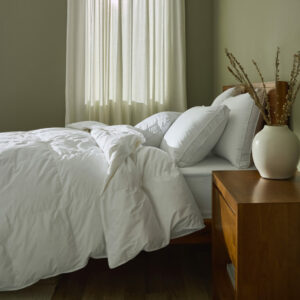
A duvet is a fluffy insert that stays inside a removable cover, like a pillow tucked inside a pillowcase. That fluff is what gives a duvet its plush look. Duvets are sold plain and white, since the cover carries the colour and pattern. Duvets originated in northern Europe and Scandinavia, where many people still skip a top sheet entirely, letting the cover act as blanket and bedspread on the bedding. This approach keeps a duvet feeling cozy through the winter months, and lighter duvet covers swap in easily for summer. If you’ve wondered why a duvet feels so plush, the answer is loft: trapped air helps you stay warm. The cover is what you actually see and touch each day, not the insert underneath.
Duvet Cover
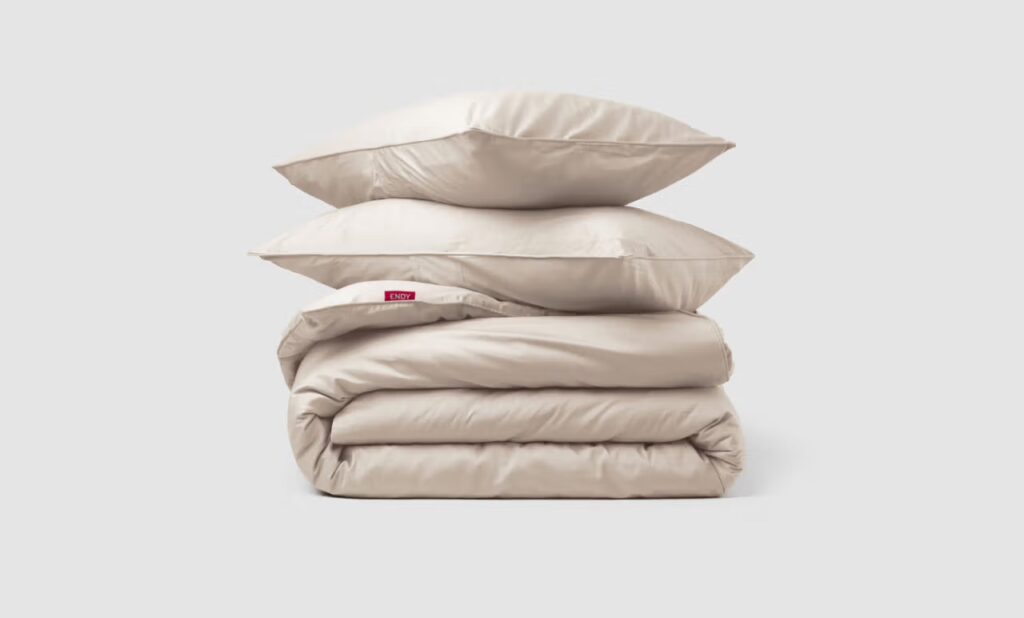
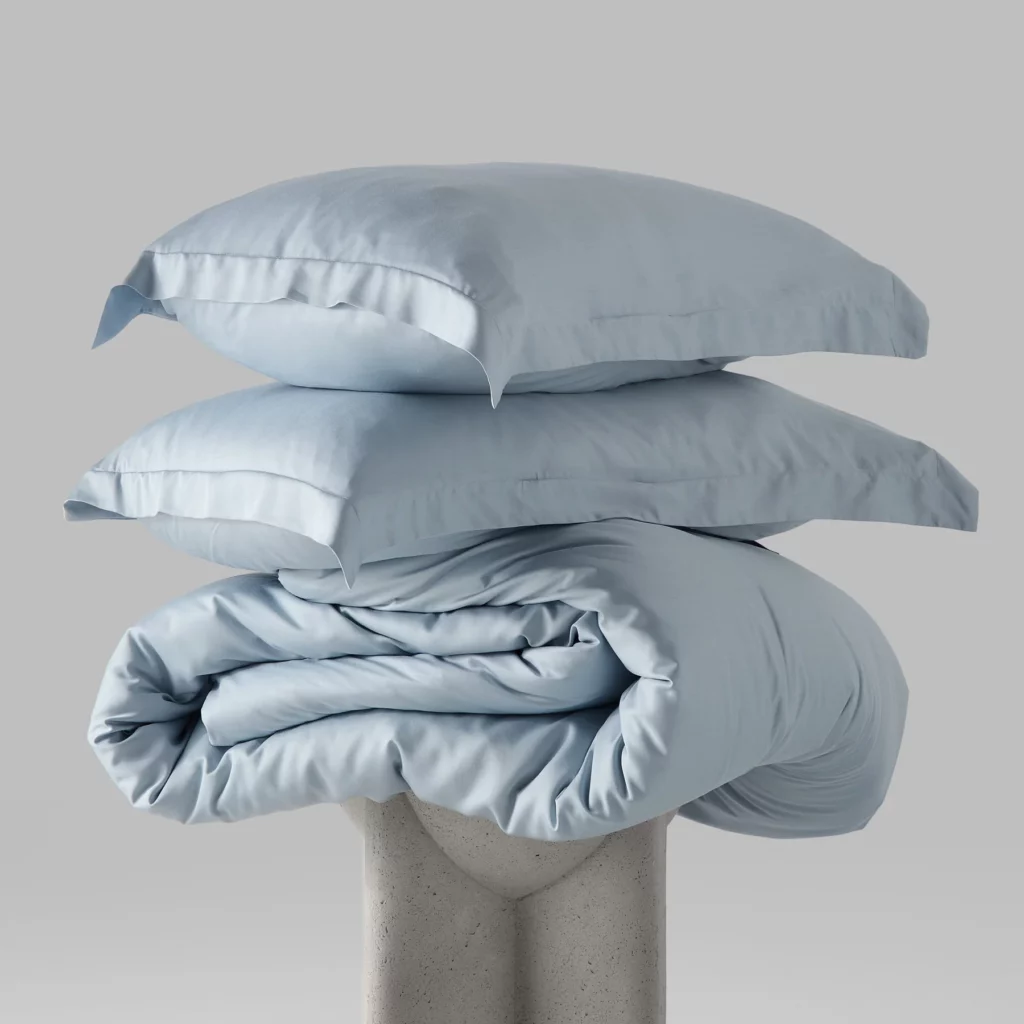
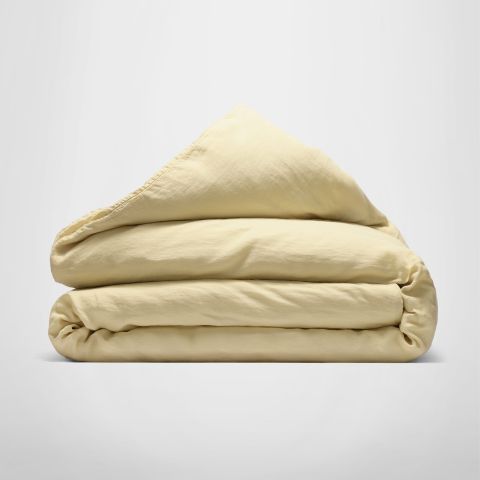
A duvet cover is a removable fabric envelope designed to protect the insert and keep it fresh on the bed. Closures include buttons, a zipper closure, or ties, so you can remove the insert and wash the duvet covers separately whenever they need it. Cotton and linen are popular duvet cover fabrics stored in a linen closet between seasons, since both breathe well and protect the insert through washing. Some shoppers keep two sets of duvet covers on rotation just for this reason. Having two or three duvet covers on hand makes it easy to accommodate a quick change without laundry delays — often the simplest way to update your bedding without buying a whole new set. A duvet cover doesn’t come filled with anything itself — it’s simply the shell.
Cotton duvet covers are breathable, easy to wash, and generally affordable, while linen duvet covers bring texture at a higher price, often landing at the same price point as a quality comforter. Silk duvet covers feel luxurious but need gentler washing to stay clean. If you like switching by season, change your duvet covers to try new patterns — crisp cotton for summer, heavier flannel for the colder months, so your bed suits both the weather and your style. Duvet covers come in twin, queen, and king sizes to match your insert. Here are a few duvet cover options we recommend.
Duvet Insert
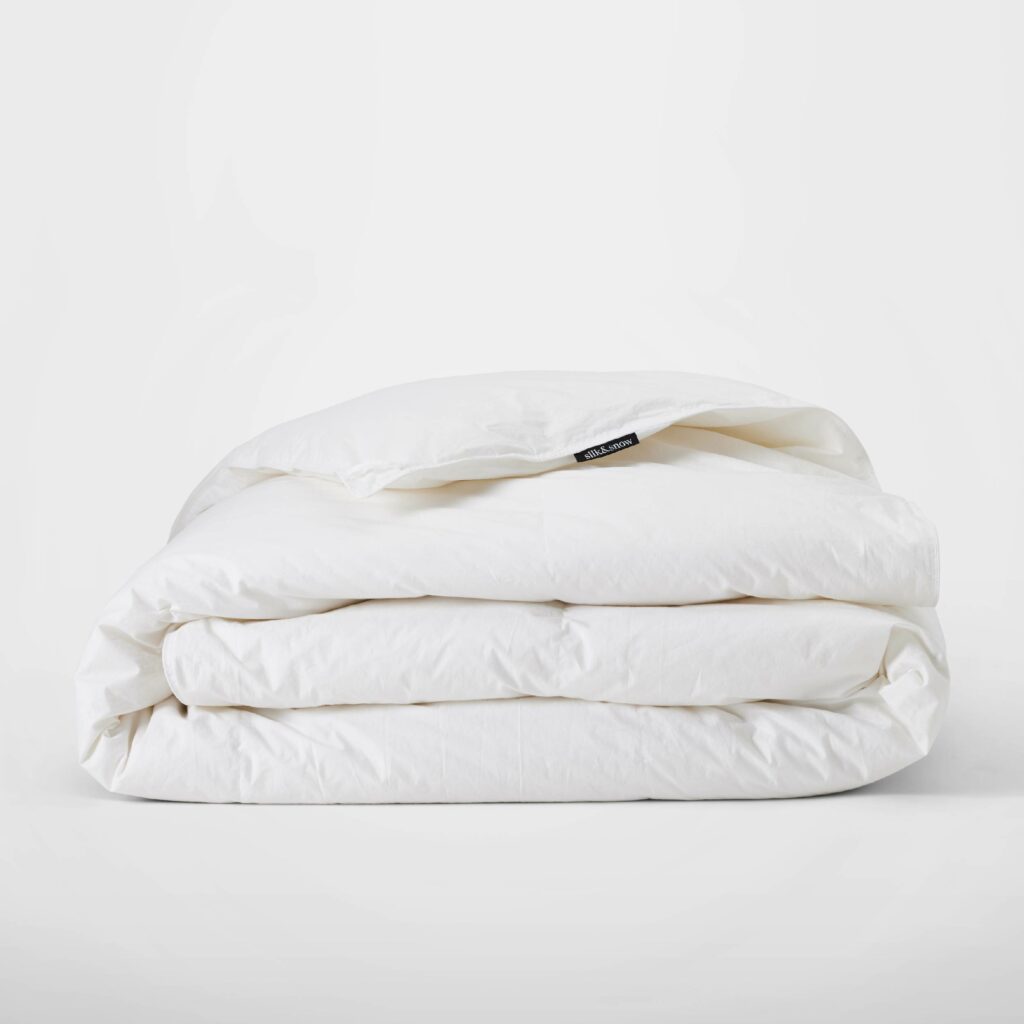
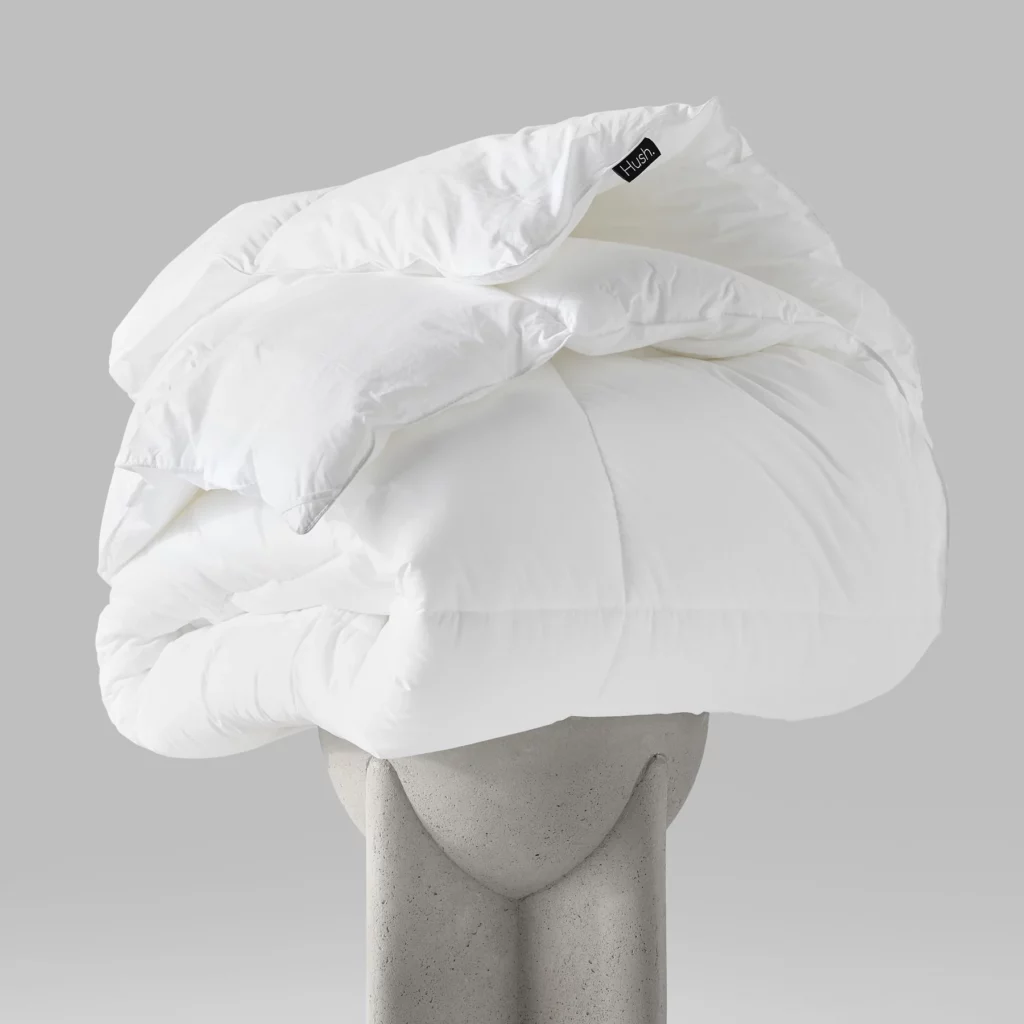
The fluffy heart of the system provides fill and warmth inside a cover. Duvet inserts come filled with down, feathers, wool, or synthetic fibers, and matching that piece to the cover means two pieces of bedding meeting, so everything lies flat on the mattress, not bunching at night. When you purchase a duvet insert, check loft and fill power, which show how much it puffs up and holds heat, like fill inside a pillow. Weight matters too: a queen size filled with more insulation suits someone who doesn’t sleep hot, while a king size needs more fill to stay evenly distributed across a mattress, and a twin works well if you prefer a lighter feel.
Duvet Inserts vs. Comforter Inside
A duvet insert has a higher loft than the fill packed inside a comforter, so duvets feel fluffier — that loft gap — and the cover on top of it — is a difference shoppers notice in a duvet vs comforter debate. Cleaning is simpler: you wash duvet covers at home, while a comforter usually needs a machine cycle or a professional clean. Style is easier to change too — swapping duvet covers lets you change the whole bedroom, while a built-in comforter locks you into one pattern until it wears out. It’s a small bedding decision with a big effect on laundry day. For households that like to change decor often, an insert-and-cover setup is usually the better choice; those who’d rather skip decisions do fine with a comforter or duvet bought pre-styled.
What Is a Comforter?
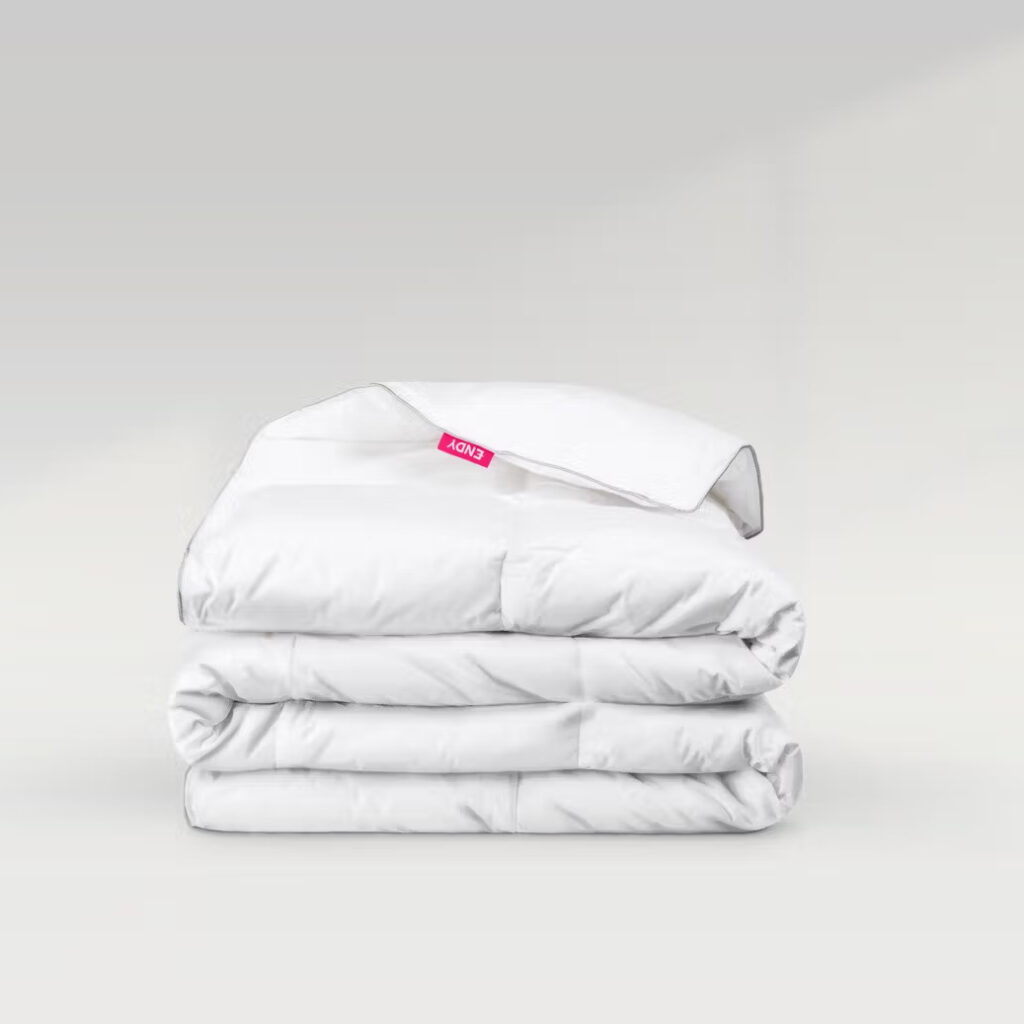
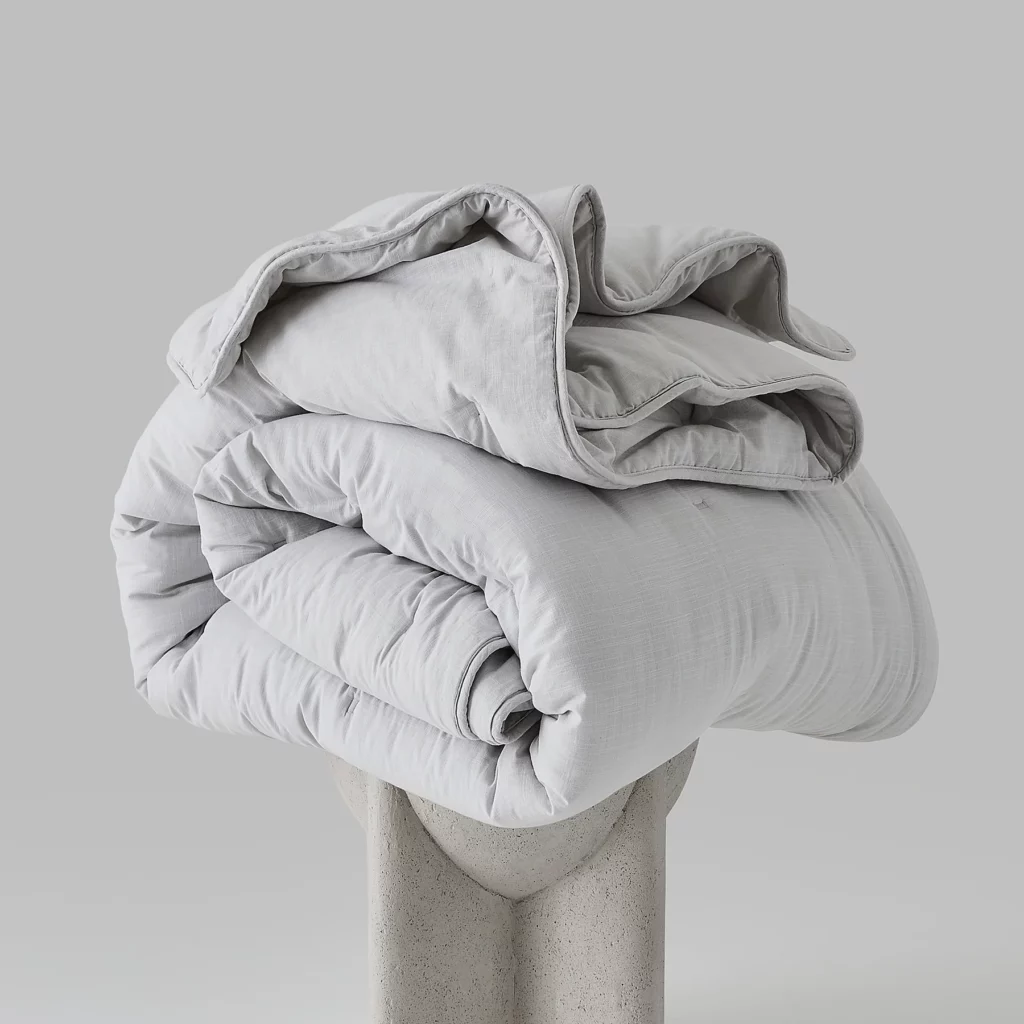
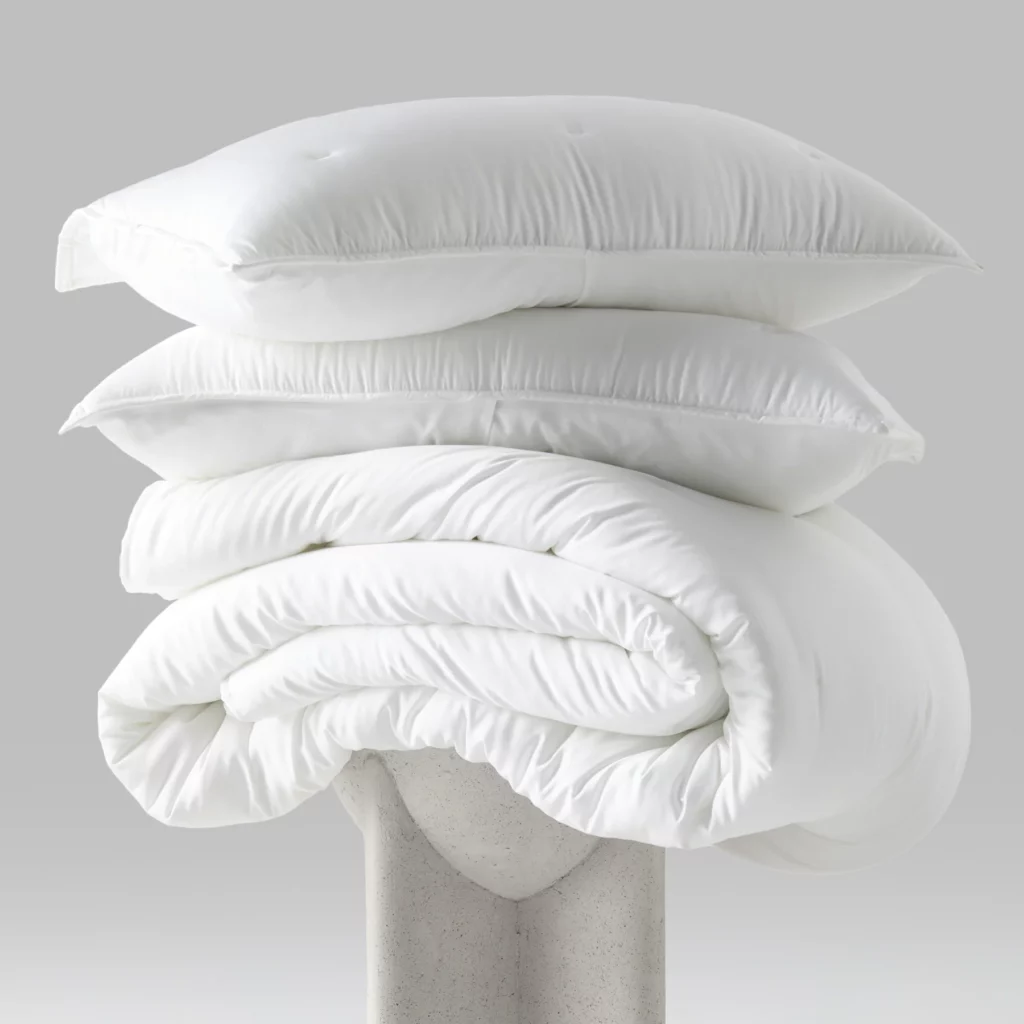
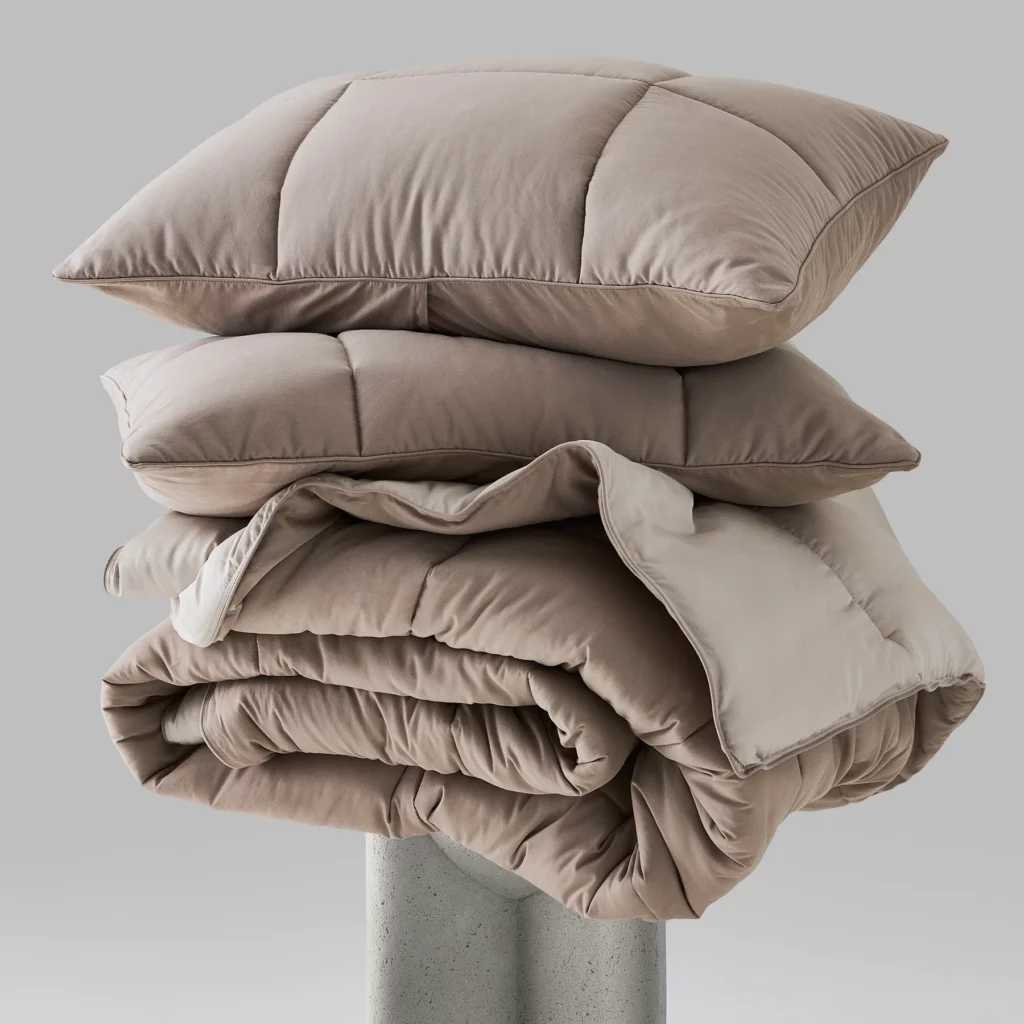
A comforter is a quilted, sewn-through bedding piece, sometimes called a duvet alternative in North America — the fill is stitched in place so it can’t shift or bunch at night. Unlike the two-piece duvet system, a comforter arrives as a single piece you can pull straight from the bag. Visually, comforters tend to lie flatter on a bed compared to a duvet, and heavier fills tend to trap more warmth, though a well-filled comforter can still look plush. As bedding goes, a comforter is low-maintenance: unlike duvet covers, a comforter needs no matching top sheet, since the comforter comes with matching sheets, a pillow, and pillowcases sewn into the set — a popular choice for anyone short on time or space. The big appeal: no separate cover to buy, no extra layer to place on the bed, and nothing to hang in a linen closet between washes. Here are our top picks for comforters worth your money.
Fill Materials: Down Feathers and Alternatives
Down feathers are the soft under-plumage from ducks or geese, prized for trapping warm air, and both duvets and comforters can be filled with them. Comforters are typically filled either with down or with a synthetic alternative, while duvets are filled the same way inside their insert. Wool is another traditional fill, valued for staying insulated when damp, and wool holds its loft. A synthetic alternative — synthetic fibers like polyester — mimics that soft fill at a lower price and is more hypoallergenic, a popular choice for people managing allergies or general well being. Down is the pricier choice upfront, though a down comforter or duvet can outlast a synthetic alternative for winters and summer seasons. Whichever you pick, choose a fill that’s evenly distributed, since clumping leaves cold spots. The same fill materials turn up in other bedding too, like throw blankets, so what you learn here carries over to the rest of your bedding. In the end, a duvet and a comforter just take different paths to the same warmth.
Care and Maintenance
Duvet covers go into a washing machine, so duvets are easier to clean than comforters. Large duvet inserts need a professional cleaner rather than a home wash, unlike a comforter’s stitched-in fill. Comforters take more work: the fill and shell are sewn as one, so washing and drying stresses the seams, and most comforters should be dry cleaned two to three times a year to keep the fill and quality intact. Duvets are almost never dry cleaned, since the removable cover absorbs the daily wear. Duvet covers are washed far more often than that, since it’s the cover — not the insert — doing the daily work of protecting your bedding. Comforters and duvets need similar off-season storage: keep either in a breathable bag, ideally in a linen closet. Either piece of bedding rewards regular care, whatever your sleep style, and replacing a worn set of duvet covers is far cheaper than replacing a whole filled comforter. Wash sheets, a pillow, and pillowcases along with your duvet covers, then swap in a heavier fill for the winter months if you sleep cold. Whichever piece you purchase, treat your everyday bedding — cover, sheets, and pillowcases alike — as the part that gets washed most, since that’s what touches you each night.
Conclusion and Recommendation
As this post covers, choose a duvet if you value easy cleaning, frequent style changes, and a lighter, versatile, layered feel on the bed — it’s usually the better option for hot sleepers or anyone who likes to redecorate without buying new bedding. Choose a comforter if you’d rather buy one decorative, ready-made set and be done deciding, which suits smaller bedrooms well, since matching sheets and a pillowcase are already essential to that convenience.
So, what is better, a duvet cover or a comforter? Neither the duvet nor the comforter wins outright — it comes down to how much washing you’re willing to do and how your bedroom should look. Can you use a duvet cover for a comforter? Not really: a duvet cover is sized to hold a duvet insert, and pulling it over a comforter usually bunches at the corners. Do you need both a duvet and comforter? Most bedrooms only need one; layering both only makes sense as an extra layer on the coldest nights for guests who sleep cold. Why do many Americans still reach for a comforter instead of a duvet? Ready-made bedding sets have simply been the default in North America for decades, while duvets took over first in Europe.
Either way, understanding how a duvet and comforter differ in materials, warmth, and upkeep makes it easier to decide which bedding system fits your bedroom, your budget, and how much washing you’re willing to take on.
About Our Author