Endy vs Douglas: Which Canadian Mattress Is Worth Your Money?

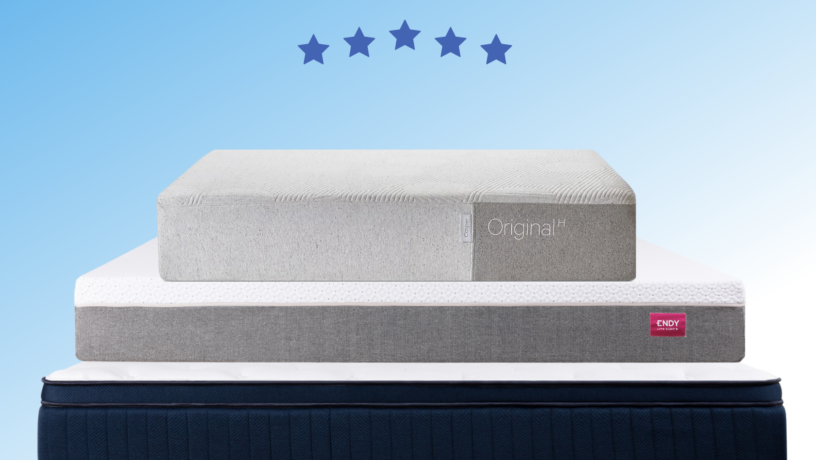
Overview: Douglas and Endy Mattresses at a Glance

Key Features

Overall Rating
ADVERTISEMENT

Mattress Breakdown:
The Endy
 Material
Motion Isolation
Cooling
Standout Features
Material
Motion Isolation
Cooling
Standout Features • Zero motion transfer
• Optimal spinal support matched with top-notch comfort
• Removable, machine washable cover
Douglas Original
• Responsive foam contours to your body
The Endy provides more comfort, superior motion isolation, and better breathability.
Mattress Sizes & Prices
| Size | The Endy | Douglas Original |
|---|---|---|
|
Twin
|
$675 | $599 |
|
Twin XL
|
$745 | $649 |
|
Full/Double
|
$820 | $699 |
|
Queen
|
$895 | $799 |
|
King
|
$995 | $899 |
|
California King
|
$1045 | 900 |
Which Mattress Should You Buy?
Overview
|
|
 |
|
|---|---|---|
| Origin |
Origin

Canadian company
|
Origin
|
| Mattresses offered |
Mattresses offered
The Endy Medium-Firm (compared in this article)
The Endy Firm
The Endy Plush
Endy Hybrid Medium-Firm
Endy Hybrid Firm
Endy Hybrid Plush
|
Mattresses offered
|
| Where to Buy |
Where to Buy
endy.com
Endy Stores (Toronto, Edmonton, Halifax)
|
Where to Buy
|
| Number of Happy Sleepers |
Number of Happy Sleepers
500,000+
|
Number of Happy Sleepers
|
| Price |
Price
The Endy Medium-Firm (Queen): $895 |
Price
Original (Queen): $799 |
Construction
The Endy

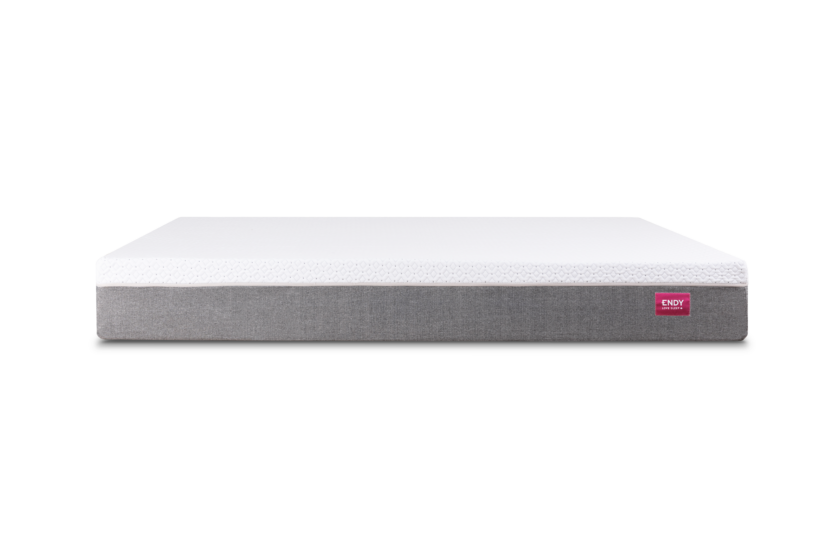
The Endy Mattress is built from four carefully engineered foam layers, each contributing to the mattress’s overall performance. The quality of these foam layers is immediately evident — this is a mattress built to last.
1. Micro Quilted Cover The micro quilted cover is one of the Endy mattress features that sets it apart right from the start. The mattress cover is stretchy, breathable, and machine washable, keeping your sleep environment consistently fresh. A machine washable cover is a practical detail that many other mattresses overlook, and it makes a genuine difference over time.
2. Endy Comfort Foam (Top Layer) The top layer of the Endy Mattress is made from Endy Comfort Foam — a proprietary open cell foam that’s been infused with cooling gel. This is not traditional memory foam; unlike standard memory foam, which is notorious for trapping body heat, the open cell memory foam structure of the comfort layer allows air to circulate freely. The cooling gel works alongside this to actively draw heat away from the body, making the Endy Mattress an excellent choice for hot sleepers. This comfort layer is responsive, adaptive, and immediately noticeable when you first lie down.
3. Transition Layer (Middle Layer) Beneath the comfort foam sits a transition layer designed to bridge the gap between the soft top layer and the firm support base. This middle layer is the key to the Endy Mattress’s superior pressure relief — it gently cradles the hips and shoulders without allowing the body to sink too deeply. It also plays a critical role in motion isolation, absorbing movement before it has the chance to travel across the bed.
4. Support Foam (Base Layer) The high-density support foam at the base of the Endy Mattress ensures long-term durability and structural integrity. This support foam provides the stable foundation that keeps the mattress feeling consistent night after night, year after year. It’s also responsible for much of the edge support the Endy delivers — a category where it significantly outperforms the Douglas.
5. Temperature-Neutral Foam Unlike some memory foam mattresses that change firmness with room temperature — becoming stiff in winter and too soft in summer — the Endy Mattress maintains a consistent feel across all seasons. For Canadians dealing with dramatic seasonal shifts, this temperature regulation is a meaningful advantage.
Douglas Original
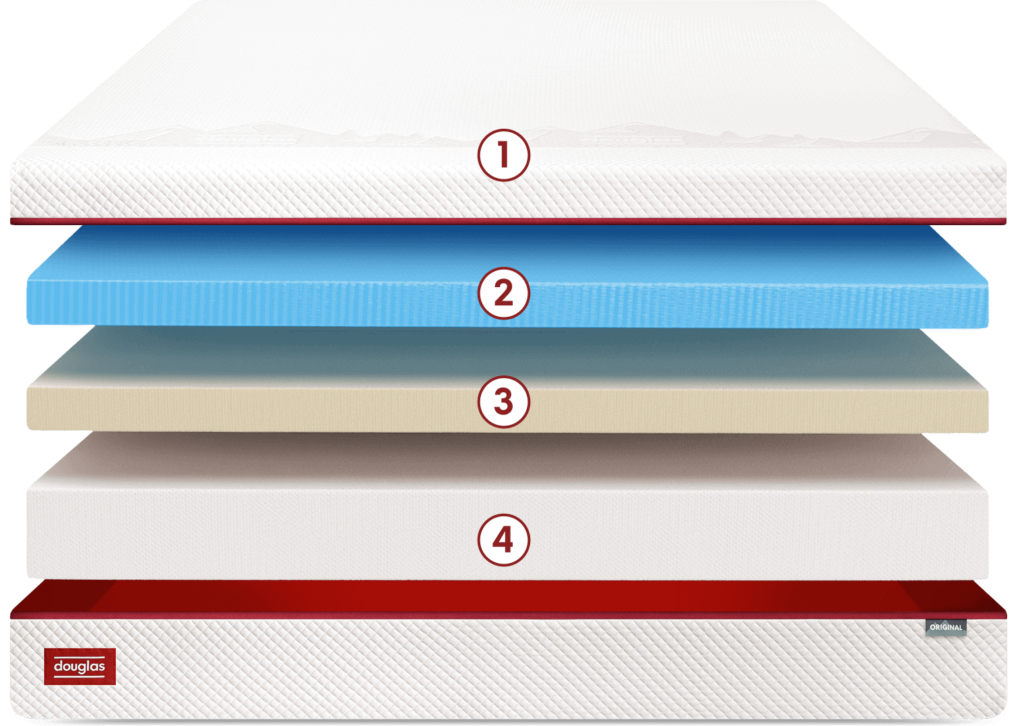
The Douglas Original is also constructed from foam layers, though with a simpler three-layer build.
1. ecoLight® Gel Foam (Top Layer) The top layer of the Douglas mattress uses a cooling gel foam intended to offer a cooler alternative to traditional memory foam. The gel infusion does provide some temperature benefit, but in our testing, the Douglas’s top layer ran warmer than the Endy’s open cell foam.
2. Elastex® Foam (Middle Layer) The middle layer of the Douglas mattress uses Elastex® foam, which mimics the feel of natural latex foam in terms of responsiveness. This foam layer provides decent body contouring and a generally comfortable feel, though it falls short of the Endy’s transition layer when it comes to pressure relief.
3. Motion Isolation Support Foam (Base Layer) The bottom layer is the motion isolation support foam, designed to reduce — though not fully eliminate — motion transfer. As we’ll explore further, this is one of the areas where the Douglas vs Endy comparison becomes most telling.
You’ve probably noticed the Endy and Douglas mattresses are each constructed of three foam layers – one of their predominant similarities. However, in our Spring 2025 testing, our sleepers preferred Endy over Douglas, with the construction of the mattress contributing to the overall performance elements we evaluated.
Studies have shown that a medium-firm mattress promotes better sleep quality and alleviates back pain. When a mattress is too soft or too firm, it can lead to spinal misalignment as the hips and shoulders are not level sink into it, causing discomfort. While both the Endy and Douglas mattresses are considered to be medium-firm, the Endy mattress is also offered in Firm and Plush, allowing you to test and choose the surface that suits your sleeping style and needs of your body.
We found the Endy Mattress to be the perfect level of firmness to help you maintain a neutral spine throughout the night. We can tell the materials used are durable and high-quality, making it a worthwhile investment for your sleep. Its Comfort Foam relieves pressure points and provides a cool sleep surface for a pleasant sensation as you’re drifting off. For these reasons, Endy is the better choice to have a good sleep for years to come.
Comfort and Performance
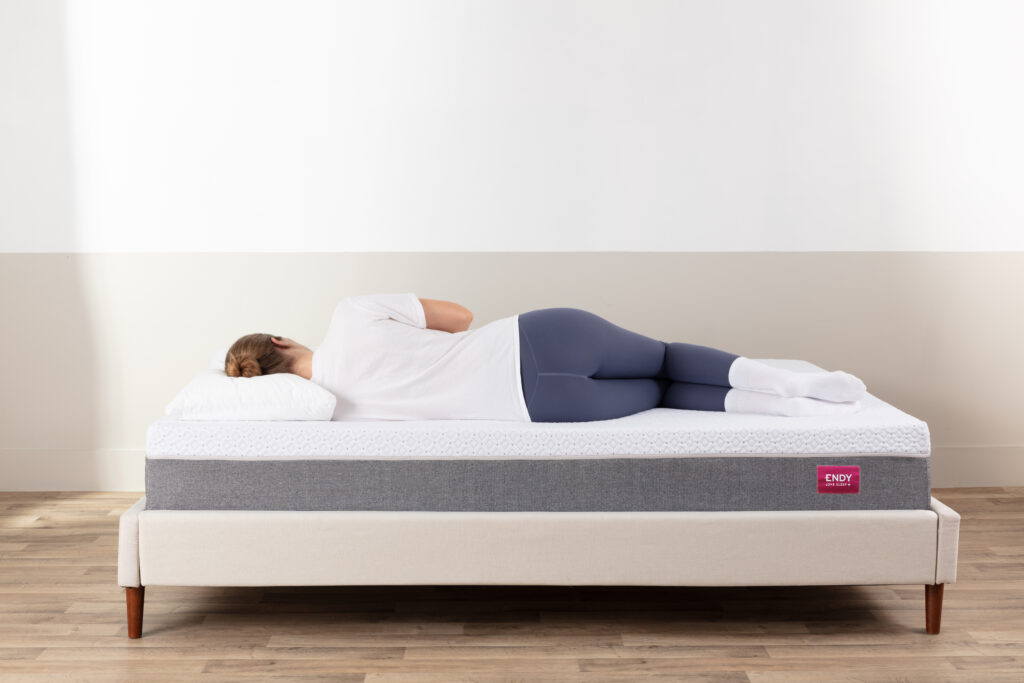
The Endy Mattress
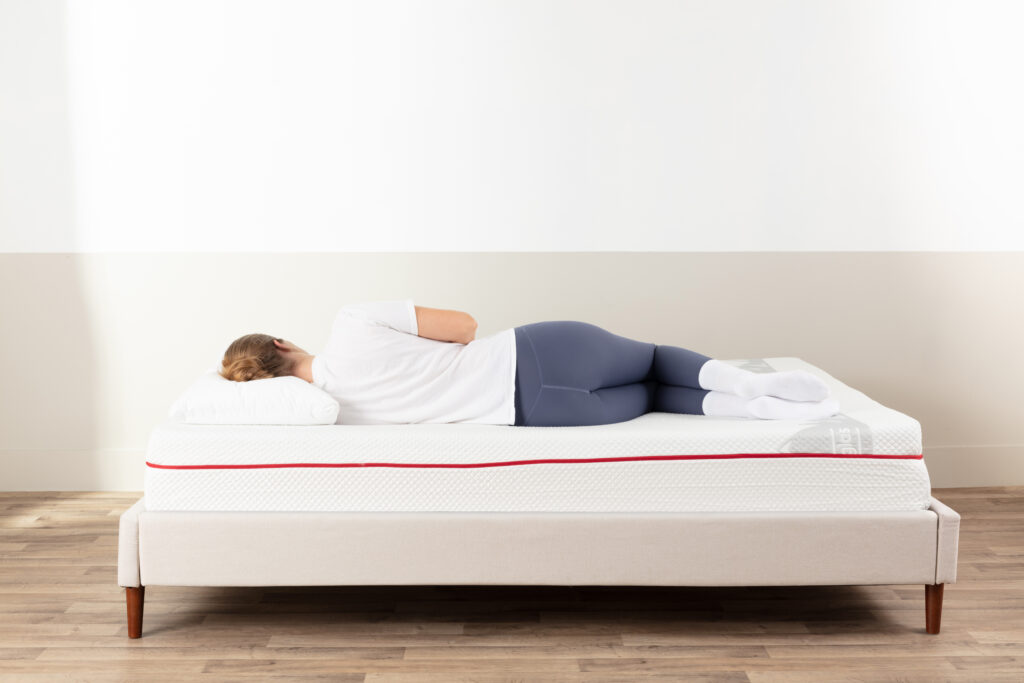
Douglas Original
Sleeping Positions: How Do Both the Douglas and Endy Perform?
One of the most important factors in any mattress review is how well it accommodates different sleeping positions. Let’s look at how both the Douglas and Endy mattresses stack up.
Side Sleepers
Side sleepers put significant pressure on the hips and shoulders, so pressure relief is paramount. The Endy Mattress excels here — its comfort layer cradles those pressure points while the transition layer prevents over-sinking, keeping the spine properly aligned. Side sleepers consistently ranked the Endy Mattress among the best mattress options they’d tested. The Douglas Original provides some pressure relief for side sleepers, but the comfort layer isn’t quite adaptive enough to fully eliminate that “digging in” sensation at the shoulder and hip.
Back Sleepers
Back sleepers need a mattress that supports the lumbar region while allowing the natural curve of the spine to rest comfortably. The Endy Mattress is ideal for back sleepers — its medium firm construction holds the hips level, preventing the lower back from sinking into spinal misalignment. The Douglas Original is also workable for back sleepers, though back and side sleepers who tested both the Douglas and Endy mattresses almost unanimously preferred the Endy’s lumbar support. Spinal misalignment during sleep is a leading cause of morning back pain, and the Endy Mattress is specifically engineered to prevent it.
Stomach Sleepers
Stomach sleepers need a firmer surface to prevent the hips from sinking too far and causing spinal misalignment. Both all foam mattresses can work for stomach sleepers in their medium firm configuration, but the Endy Mattress has a clear advantage: it’s available in a Firm option. Stomach sleepers who find a medium firm mattress slightly too soft can step up to the Firm Endy without switching brands. The Douglas Original only comes in one firmness, giving stomach sleepers less flexibility. For stomach sleepers who need that extra firmness, the Endy is the obvious choice.
Hot Sleepers
Hot sleepers deserve special mention because temperature regulation is one of the most common sleep complaints — and one of the starkest differences between these two mattresses. The Endy Mattress uses open cell foam infused with cooling gel to actively manage body heat, while its micro quilted cover adds another layer of breathability. Hot sleepers who tested both the Douglas and Endy reported feeling noticeably cooler on the Endy Mattress across a full night of sleep. The Douglas uses a cooling gel foam top layer, but its overall construction doesn’t dissipate body heat as effectively. For hot sleepers, the Endy is the clear winner.
Motion Isolation: A Critical Test for Co-Sleepers
Endy Mattress Motion Isolation
Douglas Mattress Motion Isolation
Pressure Relief: Where the Endy Truly Shines
If there’s one category that defines the Douglas and Endy mattresses comparison most clearly, it’s pressure relief. The Endy Mattress delivers superior pressure relief across all sleeping positions and body weights. Its multi-layer foam construction works together to distribute weight evenly, cushion pressure points at the hips and shoulders, and prevent the uncomfortable “bottoming out” sensation that less well-constructed foam mattresses can produce.
The Endy’s comfort layer provides immediate adaptive pressure relief upon contact, while the transition layer provides progressive resistance that supports the body’s weight without allowing it to sink past the optimal level. For side sleepers especially, this superior pressure relief is the difference between waking up refreshed and waking up sore.
The Douglas Original provides pressure relief adequate for average weight sleepers in a back sleeping position, but it struggles more noticeably with side sleepers and heavier sleepers where deeper pressure relief is needed. The foam layers of the Douglas simply don’t offer the same level of engineered pressure relief as the Endy Mattress.
Edge Support
Edge support matters more than many shoppers realize. Whether you’re sitting on the edge of the mattress to put on shoes, sleeping near the edge with a partner, or simply getting in and out of bed, a mattress with poor edge support can feel unstable and even unsafe.
The Endy Mattress delivers impressive edge support. Its high-density support foam base maintains its structure all the way to the perimeter of the mattress, meaning you can sit or sleep right at the edge without feeling like you’re about to roll off. Our testers rated edge support a full 10/10 on the Endy Mattress.
The Douglas Original, by contrast, scored only 6/10 for edge support. The foam compresses more noticeably near the edges, which limits the usable surface area of the mattress and can be particularly problematic for couples who share a bed and sleep near the edges. In the Douglas vs Endy matchup, edge support is another clear win for the Endy.
Breathability and Cooling
For hot sleepers — and frankly for anyone who’s ever woken up sweating — mattress breathability is non-negotiable. The way a mattress manages body heat directly impacts sleep quality, and it’s one of the most technically interesting aspects of the Endy vs Douglas comparison.
The Endy Mattress uses open cell foam technology throughout its comfort layer. Unlike traditional closed-cell memory foam, open cell memory foam is structured with interconnected pores that allow air to flow freely through the material. Add to that the cooling gel infused into the foam, and you have a mattress that actively combats heat retention. The gel works by absorbing and redistributing body heat away from the sleeper, and the open cell structure allows that heat to dissipate rather than build up. The result is a noticeably cooler sleep surface from the first moment you lie down.
The Douglas Original also makes use of a cooling gel foam top layer with some gel infusion, and it does offer a cooler experience than a traditional memory foam mattress. However, its overall structure retains more heat than the Endy’s open cell design. In our testing, using the same sheet set on both mattresses in the same room conditions, our testers reported feeling warmer on the Douglas Original — a consistent finding across our Spring 2025 test group.
Firmness Options: Flexibility Matters
One of the key differentiators in the Douglas vs Endy conversation is the range of firmness options available.
The Endy Mattress is offered in three firmness levels: Plush, Medium-Firm, and Firm. This flexibility means that whether you’re a stomach sleeper who needs extra support, a side sleeper who prefers a plush mattress feel, or a back sleeper who lands right in the middle, there’s an Endy Mattress built for your sleeping position and preference. The Endy Hybrid range extends this further with foam and spring combinations.
The Douglas Original is primarily offered as a single-firmness medium firm mattress in its original configuration (with the Alpine and Summit models providing some variation in the broader lineup). This lack of flexibility means that if the Douglas mattress feels doesn’t suit your body or sleeping style, your options are limited.
Accessories: Completing Your Sleep Setup
When you’re investing in a new mattress, it’s worth thinking about the full sleep setup — not just the mattress itself.
Mattress Protector: We strongly recommend pairing your new mattress with a quality mattress protector. A mattress protector guards against spills, allergens, and dust mites, and can significantly extend the life of both the Douglas and Endy mattresses. Given that the Endy Mattress comes with a 15-year warranty, protecting it from day one is a smart move.
Sheet Set: Because both the Douglas and Endy mattresses sleep at different temperature profiles, your choice of sheet set matters too. For hot sleepers on either mattress, breathable linen or percale cotton sheet sets are ideal. On the Endy, any quality sheet set will work well given its inherent cooling properties.
Mattress in a Box Delivery: Both the Endy and Douglas are delivered as a mattress in a box, which makes getting your new mattress into your home simple and hassle-free. The Endy Mattress expands fully within a few hours of unboxing, and Endy offers 1–3 day shipping to most major Canadian cities, with same-day delivery available in the Greater Toronto Area.
Sleep Trial and Warranty
When making a mattress purchase of this size, the sleep trial and warranty terms are crucial. This is another area where the Douglas vs Endy comparison tilts firmly toward the Endy.
The Endy Mattress comes with a 365-night sleep trial — a full year to decide whether it’s the right mattress for you. The Douglas Original offers a 100-night sleep trial, which is a reasonable standard in the mattress in a box industry, but notably shorter than Endy’s offering.
On the warranty side, the Endy Mattress is backed by a 15-year warranty, reflecting the confidence Endy has in the durability of their foam layers and construction. The Douglas Original offers a 10-year warranty.
There’s also an important practical difference in the return process. The Douglas mattress return policy requires you to wait 21 days before initiating a return and to rewrap the mattress in plastic for pickup. The Endy’s return process is significantly more straightforward, with their customer care team handling the details. For a new mattress purchase, knowing the return process is simple gives real peace of mind during the sleep trial.
What Do Customers Say?
Beyond our own testing, real-world customer feedback further supports the Endy Mattress as the better choice in the Endy vs Douglas comparison. Over 31,000 verified customers have given the Endy Mattress an average rating of 4.9 out of 5 stars. The Douglas has earned a solid 4.7 average from approximately 18,000 customers — a good rating, but a step below the Endy.
Endy’s Google Business score of 4.7 out of 5 stars reflects consistently excellent customer service, with many reviewers specifically calling out the Care Specialists by name. For a mattress purchase that involves delivery, setup, and potential returns, this level of service is genuinely valuable.
Conclusion
The Endy
- 365 night sleep trial and 15 year warranty
- A mattress with cooling foam layers
- Impressive motion isolation
- 3 firmness levels to choose from
- Award-winning mattress, with accolades from Ottawa Life Magazine, BrandSpark, and Connections
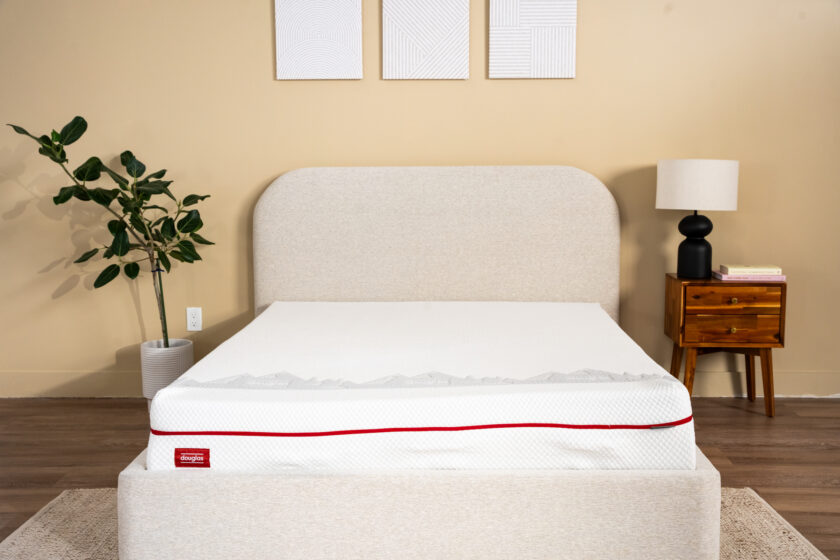
Douglas Original
- Enveloping feel of memory foam
- A mattress with some cooling capabilities
The Endy Mattress is the better mattress.
Whether you're a side sleeper seeking deep pressure relief, a back sleeper looking for spinal support, a stomach sleeper who wants a firmer option, or a hot sleeper desperate for a cooler night's rest, the Endy Mattress delivers. Its foam layers are thoughtfully engineered, its comfort layer is genuinely impressive, its Endy Comfort Foam and cooling gel combination is one of the best in class among Canadian mattresses, and its motion isolation is as close to perfect as any foam mattress we've tested.
The Douglas mattress does come in at a lower price across all sizes. However, when you factor in the longer sleep trial, stronger warranty, superior pressure relief, better motion isolation, and overall performance across our mattress reviews, the Endy Mattress represents the better long-term value. A restful sleep, night after night, for 15 years, is worth the difference in price.
The Douglas Original is a decent all foam mattress at a competitive price, and it will provide an adequate good sleep for many sleepers. But if you want a good night's sleep that is consistently comfortable, cool, and supportive — and you want a mattress that backs that up with a 365-night sleep trial and a 15-year warranty — the Endy Mattress is the clear choice in the Endy vs Douglas matchup.
For Canadian sleepers looking for the perfect mattress, the Endy Mattress earns our highest recommendation.
ADVERTISEMENT