


What Weight of Weighted Blanket Do I Need?

If you’ve ever stood in a store aisle or scrolled through dozens of product pages wondering, “What weight of weighted blanket do I need?”, you’re not alone. It’s one of the most common questions people have when shopping for a weighted blanket, and the answer is more straightforward than you might think.
The short version: the right blanket weight depends primarily on your body weight, with a widely used rule of thumb to guide you toward the most comfortable fit. But there’s a little more nuance to it depending on your sleep habits, sensitivities, and personal preference, which we’ll walk through in detail below.
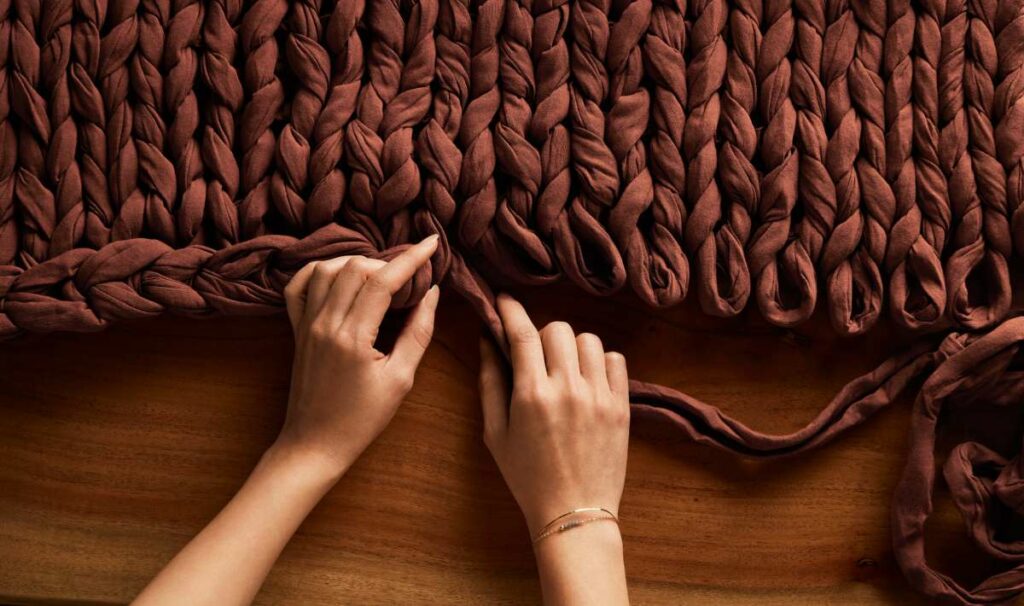
The 10% Rule: The Standard Starting Point for Choosing a Weighted Blanket
The most widely accepted guideline for weighted blanket weight comes down to a simple formula: a weighted blanket should weigh approximately 10% of your body weight. This recommendation is used across the sleep industry and by many occupational therapists who work with clients seeking the calming effect of deep pressure stimulation.
So if you weigh 150 lbs, you’d start by looking at a 15 lb blanket. If you weigh 180 lbs, an 18 lb blanket would be the standard recommendation. It’s not a rigid rule, but it gives most adults a reliable, comfortable starting point.
That said, personal preference plays a significant role. Many users find they prefer something slightly lighter or heavier depending on how they sleep, how warm they tend to run, and whether they’ve used a weighted blanket before. The recommended blanket weight range typically spans from 5% to 12% of your body weight, giving you room to go lighter or heavier depending on your needs.
Weighted Blanket Weight Chart: Quick Reference by Body Weight
Use this weighted blanket weight chart as a quick reference. The ranges reflect light, standard, and heavy preferences across different body weight ranges. These ranges reflect what most adults find comfortable. The “standard” 10% column is a great place to start if you’re new to weighted blankets. Use the lighter column if you’re sensitive to heat or pressure, and the heavier column if you specifically want more weight and deeper pressure.
| Body Weight (lbs) | Light (5-7%) | Standard (10%) | Heavy (12%) |
| 80-100 lbs | 4-7 lbs | 8-10 lbs | 10-12 lbs |
| 100-120 lbs | 5-8 lbs | 10-12 lbs | 12-14 lbs |
| 120-140 lbs | 6-10 lbs | 12-14 lbs | 14-17 lbs |
| 140-160 lbs | 7-11 lbs | 14-16 lbs | 17-19 lbs |
| 160-180 lbs | 8-12 lbs | 16-18 lbs | 19-22 lbs |
| 180-200 lbs | 9-13 lbs | 18-20 lbs | 22-24 lbs |
| 200-220 lbs | 10-14 lbs | 20-22 lbs | 24-26 lbs |
| 220+ lbs | 11-15 lbs | 22-25 lbs | 26-30 lbs |
Should You Go Lighter or Heavier? How to Fine-Tune Your Weighted Blanket Choosing Process
The 10% guideline is helpful, but it doesn’t tell the whole story. Here’s how to decide whether to go on the lighter side or lean toward a heavier blanket:
Choose a Lighter Blanket (5–9% of body weight) if you:
- Sleep hot or tend to overheat at night — choosing breathable materials and a lighter weight both help with temperature regulation
- Feel claustrophobic easily or are sensitive to pressure
- Are new to using a weighted blanket and want to ease in gradually
- Have any breathing problems, such as asthma or sleep apnea (always consult a doctor first)
- Are on the lighter side physically and want the blanket to feel more like normal bedding with added weight
Choose a Heavier Blanket (11–12% of body weight) if you:
- Want a stronger, deeper “hug” feeling and fuller body pressure
- Toss and turn frequently during the night and want the added weight to help keep you still
- Already use a weighted blanket and feel ready for more deep pressure
- Have used other sleep products with weight before and know you tolerate it well
The most important thing is that your weighted blanket should feel comforting and grounding, not restrictive or suffocating. You should always be able to move easily underneath it and remove it yourself without difficulty. If a blanket feels too heavy after several nights of use, it’s worth sizing down. It may take up to 10 nights of regular use to fully adjust to the sensation before you begin noticing sleep improvements
How to Choose a Weighted Blanket for Children
Choosing a weighted blanket for a child requires a bit more care. The same general rule applies — aim for around 10% of the child’s body weight — but for younger or smaller children, many parents and occupational therapists prefer to err on the lighter side rather than the heavier end of the body weight range.
Here are the key safety guidelines to follow when choosing a weighted blanket for a child:
- Weighted blankets are generally not recommended for infants or toddlers under age two
- Weighted blankets are generally considered safe for children aged 3 and older who weigh at least 50 lbs, but a family physician should be consulted to determine the appropriate weight
- The blanket weight should never exceed 10% of the child’s body weight
- A weighted blanket should never be used to restrain a child — the child must always be able to self-remove the blanket
- For older children transitioning to a weighted blanket for the first time, starting closer to 5–7% of body weight is a sensible approach
If your child has autism spectrum disorder, sensory processing differences, or anxiety, a consultation with an occupational therapist is especially valuable. They can help determine the appropriate weight and assess whether deep pressure stimulation is likely to be beneficial.
How Weighted Blankets Work and Why the Right Weight Matters
To understand why blanket weight matters so much, it helps to understand how weighted blankets work in the first place.
Weighted blankets provide deep pressure stimulation — a form of gentle, distributed pressure across the body similar to the sensation of being held or hugged. This even pressure is thought to activate the parasympathetic nervous system, helping the body shift into a more relaxed state. Research and anecdotal evidence both suggest that this calming effect can help ease anxiety, reduce restlessness, and support better sleep.
Weighted blankets are also believed to stimulate melatonin production and encourage the release of serotonin and dopamine while lowering cortisol, the body’s primary stress hormone. Together, these effects can make it easier to fall asleep and stay asleep through the night.
But here’s the catch: these benefits are most pronounced when the blanket weight is appropriate for the individual. Too light, and you may not feel enough pressure to trigger the calming response. Too heavy, and the blanket can feel restrictive, uncomfortable, or even interfere with breathing — particularly for people with existing health conditions.
This is why the right weighted blanket isn’t just about comfort — it’s about getting the full benefits of deep pressure without introducing unnecessary risk.
Are Weighted Blankets Safe? What You Need to Know
For most healthy adults, weighted blankets are safe and well-tolerated. However, there are important caveats to keep in mind.
Weighted blankets are not considered safe — without medical guidance — for people with:
- Sleep apnea or other breathing problems, as a blanket that is too heavy can restrict airflow and make nighttime breathing more difficult
- Chronic respiratory conditions such as asthma or COPD
- Circulatory issues or claustrophobia
- Limited mobility or those who cannot easily remove the blanket on their own
If any of the above applies to you, we recommend consulting a physician before choosing to use a weighted blanket. There may also be health risks if the blanket is paired with existing bedding that already adds significant warmth or weight — particularly during warm Canadian summers.
Most blankets on the market weigh between 5 and 30 lbs — considerably more than normal bedding like a standard duvet. That weight difference is intentional, but it’s also why it’s worth being thoughtful about your selection.
Size vs. Weight: Don’t Confuse the Two
When choosing a weighted blanket, it’s important to distinguish between blanket weight and size weighted blanket dimensions. These are two separate considerations.
Most weighted blankets are designed for a single person, and for good reason: a weighted blanket works best when it drapes over one body and provides even pressure from shoulder to foot. A blanket sized for the entire bed won’t distribute weight the same way and may leave certain areas under- or over-pressurized.
As a general rule:
- A throw or lap-sized weighted blanket is ideal for use on a couch or for targeted pressure on specific areas
- A twin or full-sized weighted blanket works well for most single sleepers
- If you share a bed, each person should have their own individual weighted blanket rather than sharing a larger size weighted blanket like a king size
If you’re looking to compare specific options available in Canada, the Best Sleep Society team has put together a comprehensive guide to the best weighted blanket in Canada for 2026, including recommendations across different weights, sizes, and budgets. Read our roundup of the Best Weighted Blanket in Canada 2026.
Weighted Blanket Styles: Does the Fill Type Affect Weight?
Yes — the style of weighted blanket you choose can affect how the weight feels, even if the blanket weight is technically the same.
Weighted blankets can be broadly divided into two main styles:
1. Weighted Duvet
This is the most common style. It either comes as a a one-piece integrated cover or weighted insert with a cover. A weighted insert is filled with glass beads and sewn into a grid pattern for even pressure distribution. It can be used alone or slipped into a removable duvet cover for easy washing. If you’re particular about soft textures or like to swap out covers seasonally, this style offers the most flexibility.
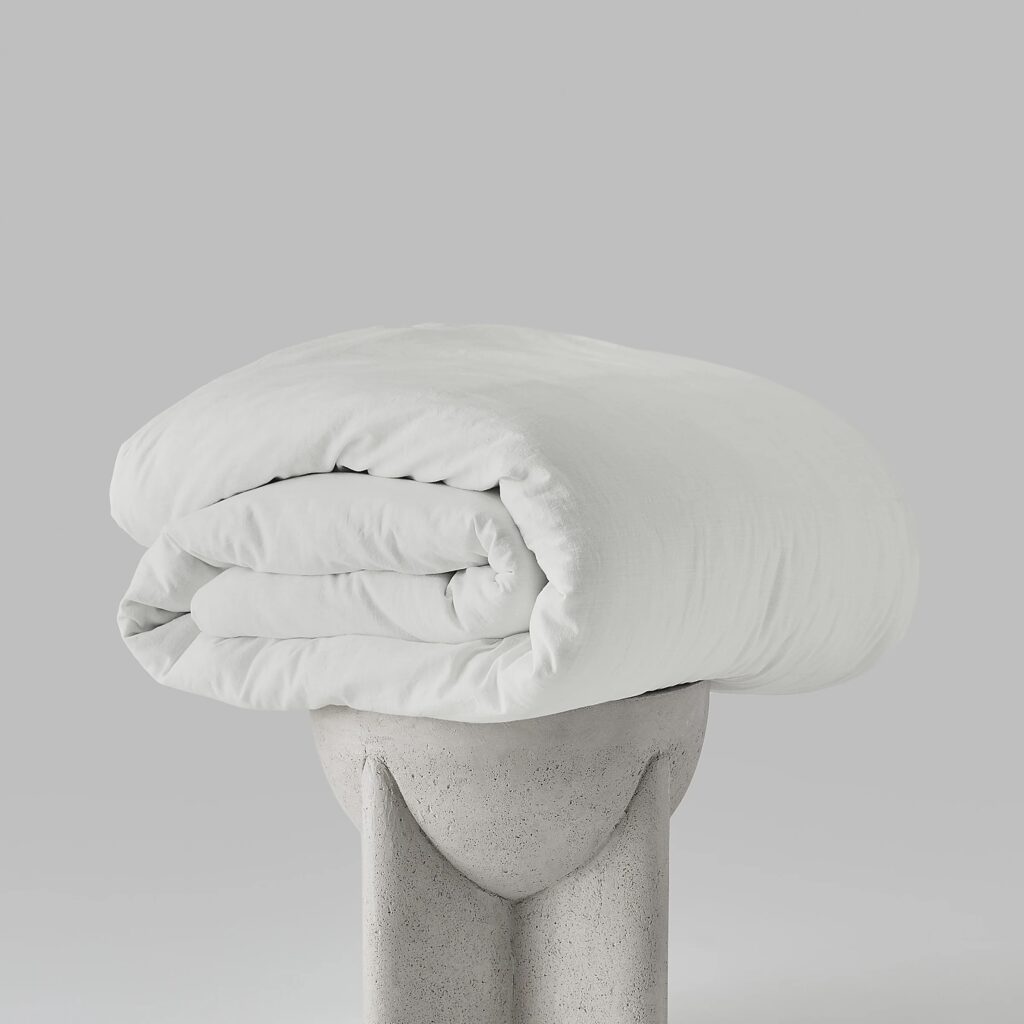
Weave Weighted Blanket
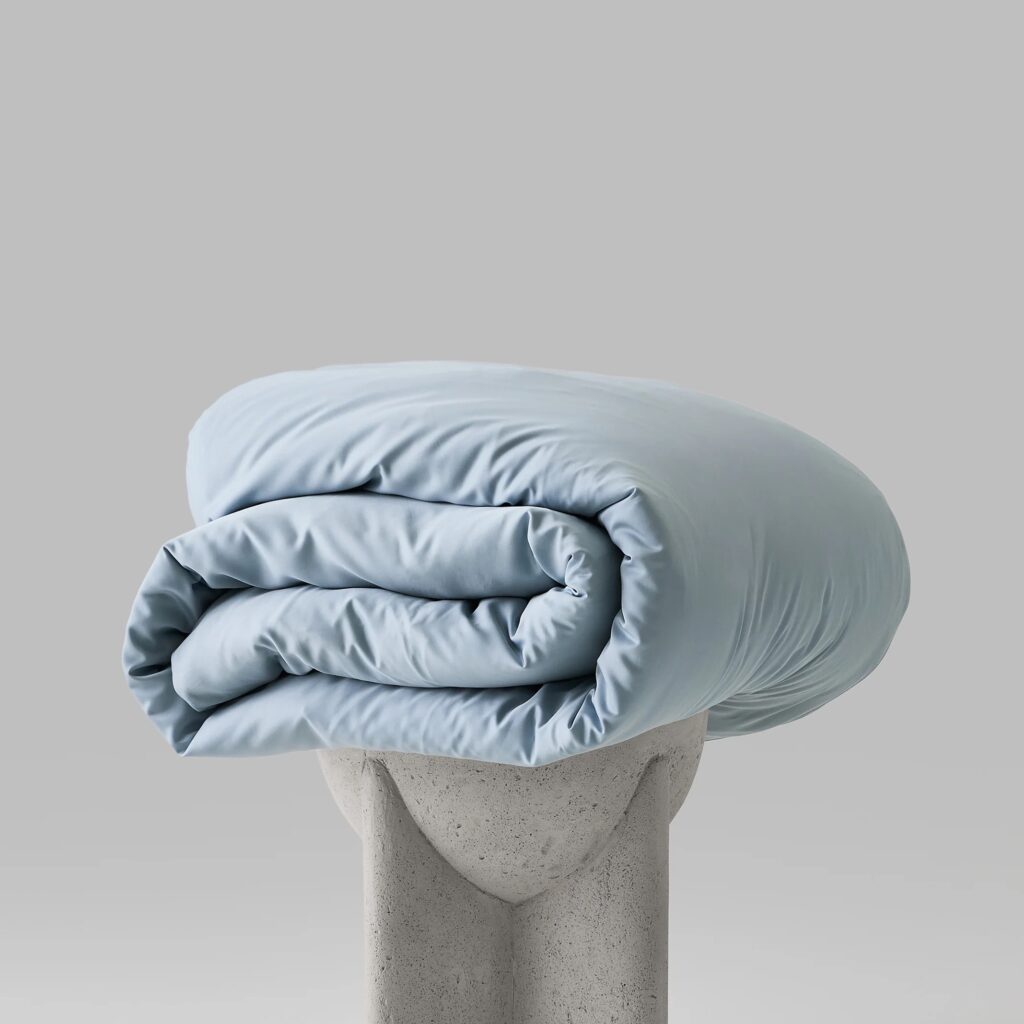
Bamboo Weighted Blanket
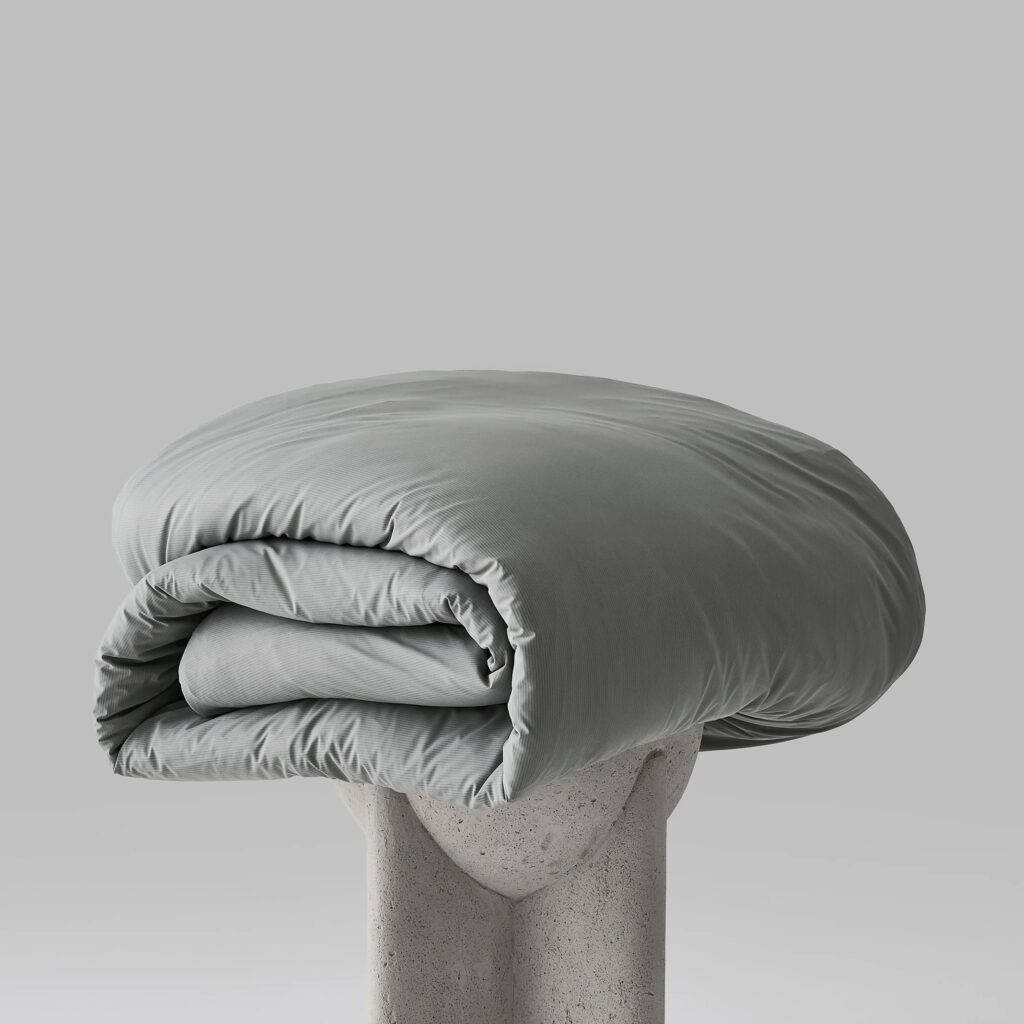
2. Chunky Knit Weighted Blankets
Chunky knit blankets achieve their weight through the density of large-strand cotton or polyester yarns rather than glass beads. They tend to be more breathable due to the open weave and can work well for people who want added weight without the sealed, full-coverage feel of a traditional glass bead blanket. However, the weight distribution is less precise, so they may not provide the same consistent even pressure.
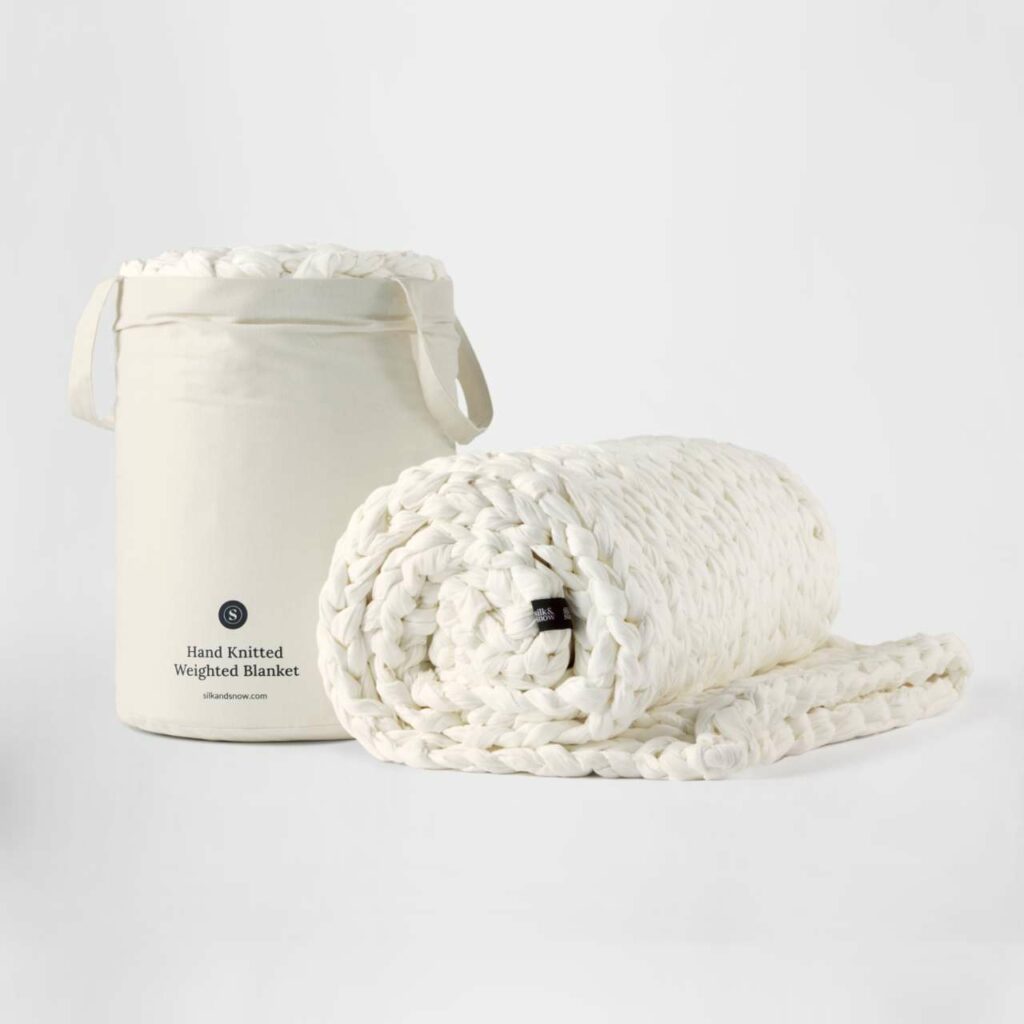
Hand Knitted Weighted Blanket
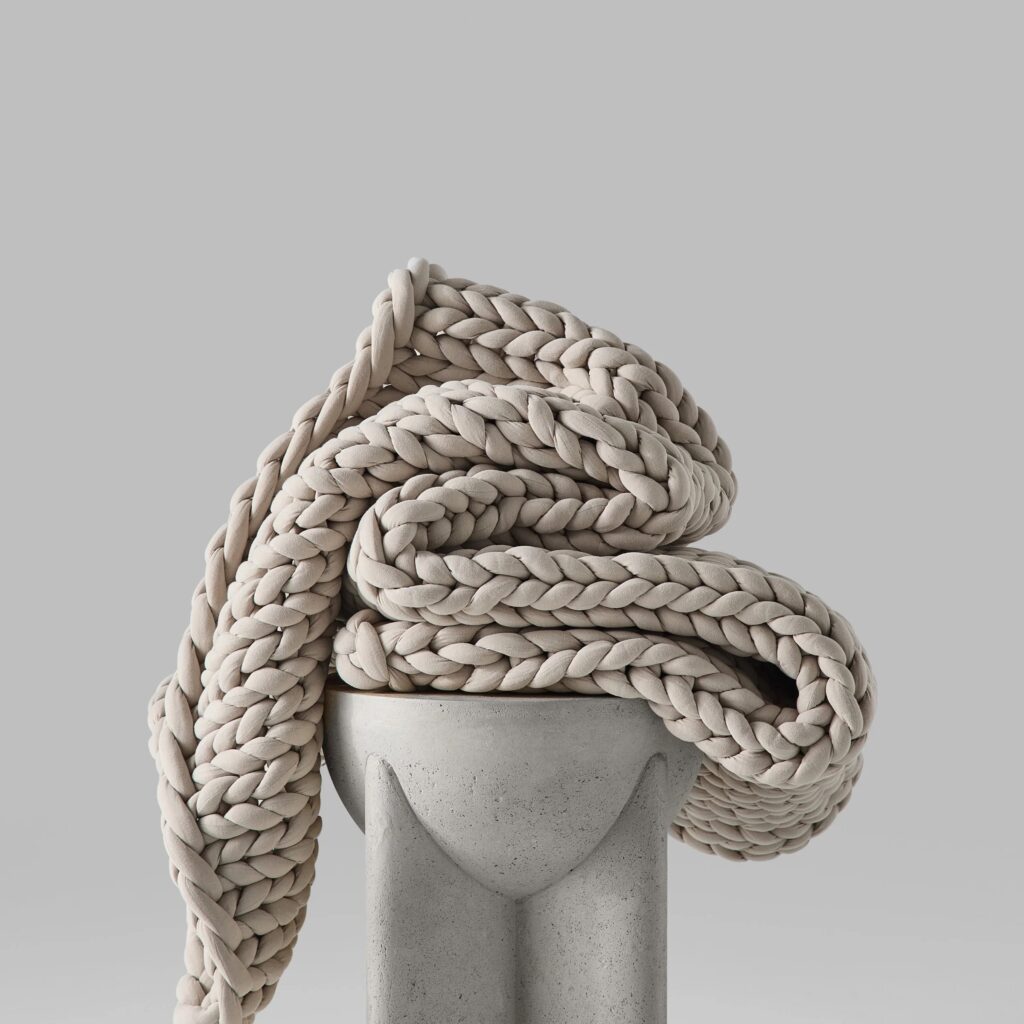
Knit Weighted Blanket
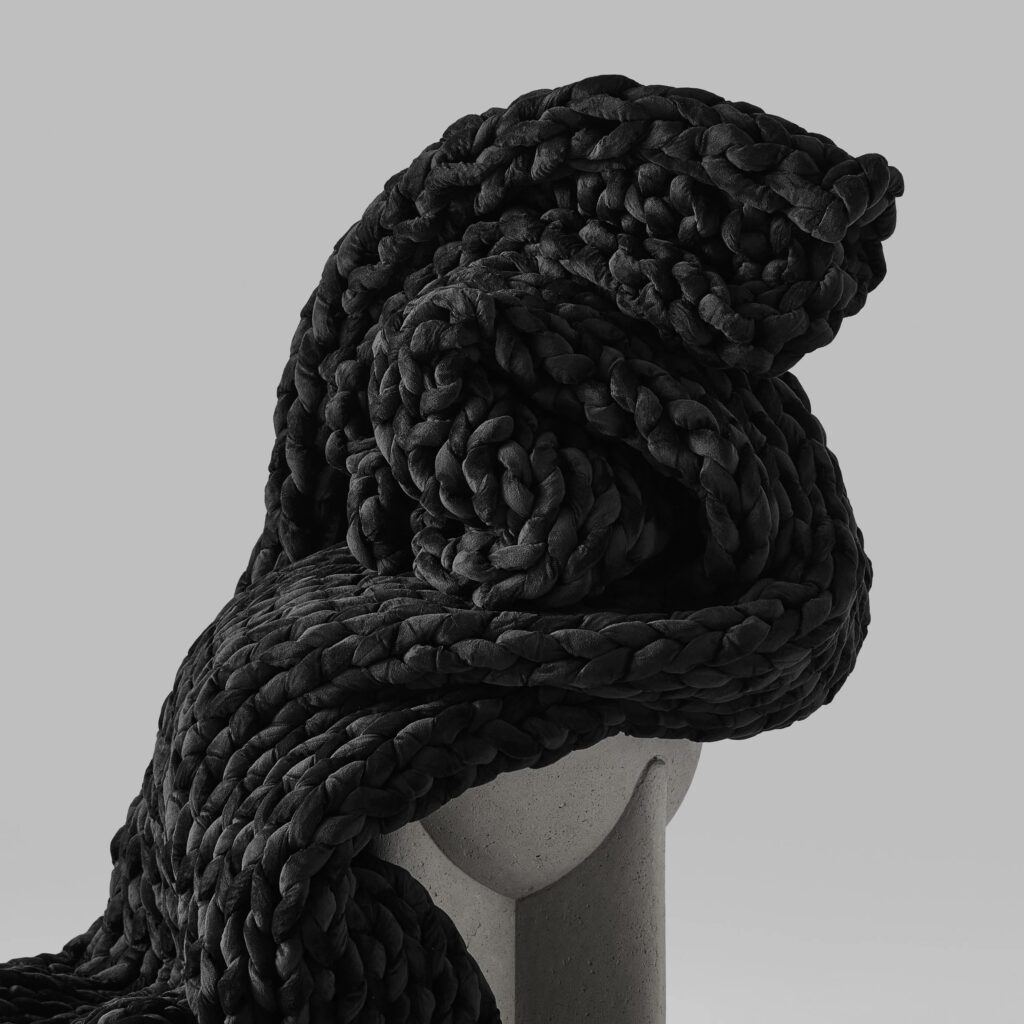
Mega Knit Weighted Blanket
Tips for First-Time Weighted Blanket Users
If you’ve never used a weighted blanket before, here’s what to expect and how to get the most out of your experience:
- Start with 10% of your body weight if you’re unsure. It’s the most well-tested starting point and where most adults find comfort.
- Give it time. It may take up to 10 nights to fully adjust to the sensation. Some people feel the benefits right away; others need a week or more before noticing improvements in sleep quality.
- Don’t use it with heavy existing bedding initially. Use a weighted blanket instead of your usual duvet to start, and add back your normal bedding gradually as needed.
- Consider the season. Weighted blankets can feel warm, especially in summer. Look for cooling covers made from bamboo or cotton if you tend to sleep hot.
- Use it on the couch first, if you’re unsure. Trying your weighted blanket while watching TV or reading before bedtime is a low-pressure way to assess how the weight feels before committing to a full night’s sleep.
Who Can Benefit Most from Using a Weighted Blanket?
Weighted blankets work for a wide range of people, but they’re particularly popular among:
- People with anxiety, who find the deep pressure calming and helpful for winding down before bed
- Individuals with autism spectrum disorder or sensory processing differences, where deep pressure stimulation can be especially soothing
- People who struggle to fall asleep due to an overactive mind or physical restlessness
- Anyone who simply enjoys the sensation of being gently held while they sleep — a surprisingly large group
- Older children and adults dealing with stress-related sleep disruption
Most people who try a weighted blanket and stick with it for at least a week or two report an improvement in sleep quality, a reduction in the time it takes to fall asleep, and an overall sense of calm at night. That said, they aren’t a replacement for medical treatment when a sleep disorder is involved — and most adults benefit most when they use a weighted blanket alongside other good sleep hygiene habits.
Final Thoughts: Finding Your Perfect Blanket Weight
Choosing a weighted blanket doesn’t need to be overwhelming. Start with the 10% rule, use this guide to adjust up or down based on your personal preference and sleep habits, and give yourself a couple of weeks to fully experience the benefits. The right weighted blanket weight will feel like a calm, even pressure — grounding without being restrictive, warm without being stifling, and heavy enough to signal to your nervous system that it’s time to rest.
For Canadians looking for specific product recommendations, our team at Best Sleep Society has tested and reviewed the most popular options on the Canadian market. Whether you’re shopping for yourself, a partner, or a child, the right fit is out there.
Explore our picks: Best Weighted Blanket in Canada 2026
A good night’s sleep matters — and with the right weighted blanket, it might be closer than you think.
About Our Author