
Are Silk Pillowcases Worth It?
What silk pillowcases do for hair and skin, the honest drawbacks, and how to choose mulberry silk by momme, fit, and closure.
 Best Sleep Society· Editor of Best Sleep Society
Canadian winters are hard enough on your hair and skin without your pillowcase making things worse, and that's exactly the gap a silk pillowcase is built to fill. This buying guide breaks down the real beauty benefits, the honest drawbacks, and everything you need to know before choosing a pillowcase for your bed - so if you're considering a silk pillowcase for the first time, mulberry silk is the material to start with - get that one choice right and better sleep, smoother skin, and a genuine beauty upgrade tend to follow.
Key Benefits of Silk Pillowcases
A good silk pillowcase does double duty: it treats your hair and your skin gently, night after night, and it quietly upgrades how your bed feels. The short list of hair and skin benefits includes fewer tangles, less frizz, smoother skin, and a noticeably gentler sleep environment than cotton pillowcases or synthetic satin can offer. A calmer, smoother sleep surface removes one more obstacle between you and a genuinely restful sleep, and that's a beauty win most people can feel within a week of better sleep, not months.
A silk pillowcase supports beauty sleep in a very literal sense. Because silk fibres don't drink up moisture the way cotton pillowcases do, your skin's nightly beauty routine - serums, oils, moisturizer - stays where you put it instead of soaking into the pillowcase. Hair holds onto its natural softness too, since a silk pillowcase lets strands glide instead of catching on rougher woven fibres every night.
Beyond hair and skin, silk is genuinely breathable. Its natural protein fiber structure regulates temperature well, which means a silk pillowcase can feel cool against warm skin in summer and comfortable year round once your bedroom cools down for winter. That breathability is part of why so many hot sleepers reach for a silk pillowcase over synthetic satin, night after night.
Beauty Sleep, Hair, and Skin Results
Beauty sleep sounds like a myth cooked up by the beauty industry, but the mechanics behind it are real, and a silk pillowcase is one of the simplest beauty upgrades you can make without changing your actual sleep schedule. Beauty editors have been recommending a silk pillowcase for beauty sleep for years, and beauty aisles now stock pure silk pillowcase options at nearly every price point, which tells you the beauty payoff isn't just marketing.
What Happens to Your Skin Overnight
On a standard cotton pillowcase, facial skin presses and drags against rougher fibres for hours, and moisture is pulled out of the skin and into the pillowcase itself. A silk pillowcase's smooth surface reduces that mechanical tugging, which is the main mechanism behind fewer sleep creases and a more even, hydrated complexion by morning. People with sensitive skin or delicate skin in particular tend to notice less irritation, since a silk pillowcase's low absorption also means fewer harsh residues sitting against the face each night.
What Happens to Your Hair Overnight
Hair fares just as well on a silk pillowcase. Because silk doesn't strip natural oils the way cotton pillowcases can, hair keeps more of its moisture and shine by morning. Reduced friction means fewer broken strands, less frizz, and noticeably fewer split ends over time, especially for long hair, curly hair, and wavy hair, which snag most easily on rough weaves.
Sleep researchers and dermatologists generally agree, in broad terms, that reducing friction between skin or hair and a pillowcase, night after night, is one of the simplest ways to limit micro-damage that adds up over months of sleep - a small, low-effort beauty swap with an outsized payoff for how hair and skin hold up over time. It's a quiet kind of beauty maintenance: no extra steps, no new products, just a smarter pillowcase.
Reduce Bed Head and Fewer Tangles
How Silk Cuts Down on Friction
The core trick behind a silk pillowcase is slip. Unlike cotton, which grabs at hair and skin with every turn of the head, a silk pillowcase's smooth surface lets hair glide rather than catch, and that slip is doing most of the work. More slip means less drag, less drag means less friction, and less friction is what a reduce friction strategy for hair actually comes down to. That reduced friction effect, repeated night after night, is the reason people wake up with less bed head, fewer knots, and curls or waves that still hold their shape by morning.
Before-and-After Styling Maintenance
Before switching to a silk pillowcase, many sleepers describe a familiar morning beauty routine: detangling, re-wetting flat sections, and re-styling curls that collapsed overnight. After a few weeks of sleeping on a silk pillowcase, that routine typically shortens. Blowouts last longer, curls stay defined for an extra day, and hair that used to need a full restyle every morning often just needs a quick shake-out.
What Different Hair Types Report
Across hair types, the general pattern holds on a silk pillowcase: straight hair reports less frizz and static, with fewer flat sections needing a full restyle, curly and wavy hair reports better shape retention night after night, and textured or coily hair reports less moisture loss and fewer snapped strands at the ends. None of this replaces a good conditioner or the right hair oil, but a silk pillowcase does appear to reduce how much sleep-related damage a hairstyle has to survive before morning.
Drawbacks of Silk Pillowcases
Silk isn't perfect, and a fair buying guide has to say so. A genuine silk pillowcase costs more upfront than cotton pillowcases or synthetic satin, since real mulberry silk is a delicate material that takes more time and skill to produce than a mass-market pillowcase.
Care is the second trade-off. Because silk is a natural protein fiber, a silk pillowcase is also more difficult to wash than other pillowcases made from cotton or polyester satin - most call for hand wash or a gentle cycle, cold water, and an air dry rather than a quick toss into a normal laundry routine.
Finally, texture is a matter of taste. Some sleepers love the cool, slippery texture of a pure silk pillowcase; others find that same smooth surface makes their pillow feel less secure inside the pillowcase, or struggle to keep a pillow secure at all. If you're someone who likes a pillowcase with more grip, that slip is worth testing on one pillowcase before you commit your whole bed to a silk pillowcase upgrade.
What Is Pure Mulberry Silk?
Mulberry silk is a natural fibre produced by silkworms fed exclusively on mulberry leaves, which results in a finer, more uniform, and more lustrous thread than silk from other sources. A pure mulberry silk pillowcase has a smooth, cool hand-feel, a soft natural sheen rather than a hard shine, and noticeably more weight and drape than a synthetic satin pillowcase. Where a cheaper pillowcase feels flat or slightly plasticky against the skin, a mulberry silk pillowcase feels closer to liquid - it moves with you, warms slightly to body temperature, and keeps that natural softness wash after wash when it's cared for properly. It's the kind of luxurious detail that separates a genuinely luxurious pillowcase from one that just claims to be.
Mulberry Silk vs Other Silk Pillowcases
Not all silk pillowcases are mulberry silk pillowcases. Wild silk, sometimes called Tussah silk, comes from silkworms that feed on a range of leaves in the wild rather than a controlled mulberry diet. The result is a coarser, thick, more textured fabric with a deeper, more golden colour - appealing in its own way, but rougher against delicate skin and less consistent from batch to batch than a mulberry silk pillowcase. Compared to other brands selling wild or blended silk, a true mulberry silk seller will name the silk grade, the momme, and the mulberry silk origin without being asked twice.
Blended silk pillowcases, which mix silk fibres with cotton or polyester satin, sit at a lower price point but lose much of what makes a silk pillowcase worth buying in the first place: the blend absorbs more moisture, generates more friction, and wears less evenly than pure mulberry silk. A cheaper blend can be a reasonable starting point if you're simply curious whether you like the feel of silk at all, but anyone chasing genuine hair and skin benefits should budget for a mulberry silk pillowcase rather than a blend.
Certifications and Materials: OEKO-TEX and More
Certifications are the fastest way to separate a genuine mulberry silk pillowcase from a marketing claim. OEKO-TEX Standard 100 is the one to look for first: it confirms that every component of the pillowcase, from the woven silk fabric to the thread and dye, has been tested for harmful chemicals and is safe against sensitive skin. A silk pillowcase carrying OEKO-TEX certification has effectively been checked at every stage of production, not just the finished pillowcase.
Beyond OEKO-TEX, look for a stated momme weight, a named silk grade such as Grade 6A, and a clear country of origin on the pillowcase label. Silk pillowcase listings that skip all three - and simply say "100% silk" with no supporting detail - deserve extra scrutiny. Genuine sellers are usually happy to confirm the weave, the momme, and the OEKO-TEX certification when asked directly, so don't hesitate to ask before you buy a pillowcase online.
To verify labeling claims yourself, a small burn test on a spare thread is the classic trick: genuine silk singes and curls rather than melting, and smells faintly like burning hair rather than plastic. It's not something to try on a full pillowcase, but a thread pulled from a hidden seam is usually enough to confirm what your pillowcase is really made of.
How to Choose: Fit, Momme, and Closures
Momme Weight
Momme measures the density of woven silk, calculated by weighing 100 yards of silk's weight - the higher the momme, the denser and more durable the pillowcase. For everyday use, a range between 19 and 25 momme balances durability against that classic lightweight drape: 19 momme silk is lightweight yet durable, while 25 momme silk sits at the denser, longer-lasting end of that range. Anything marked well below 19 momme is likely to feel thin and wear out faster than the rest of your sleep lines.
Getting the Size Right
Silk pillowcases run in the same standard, queen, and king sizes as cotton pillowcases, but because pure silk has less stretch, it's worth measuring your existing pillow rather than guessing before you buy a pillowcase. A pillowcase that's too snug for a queen or king pillow will stress the seams over time, while one that's too loose will bunch and reduce the smooth surface a silk pillowcase is supposed to provide.
Envelope Enclosure vs Zipper
Most silk pillowcases use either an envelope enclosure or a zipper to hold the pillow in place. An envelope enclosure - a simple fabric flap that overlaps and tucks the pillow inside the pillowcase - tends to be gentler on both the silk fabric and your hair, since there's no zipper teeth to snag on strands during sleep. A zipper can hold a pillow secure a little more firmly inside its pillowcase, but it adds a hard edge that some sleepers feel against their face at night. For most buyers, an envelope enclosure is the better default pillowcase closure, with a zipper reserved for anyone whose pillow tends to slide out of its pillowcase entirely.
Silk Pillowcases: Best Picks
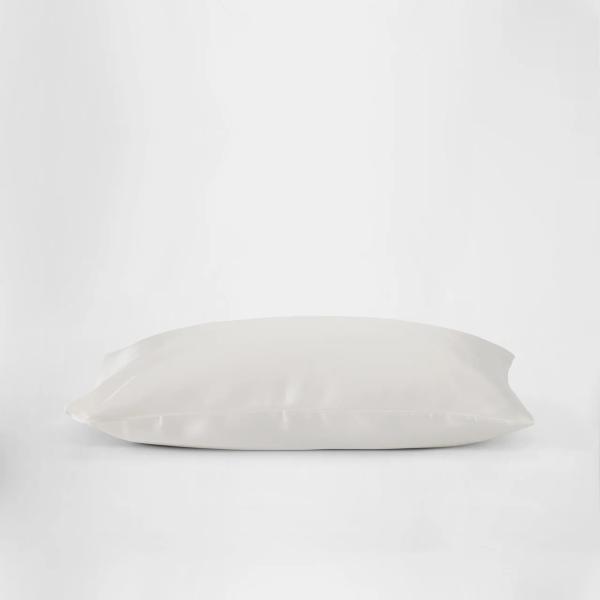
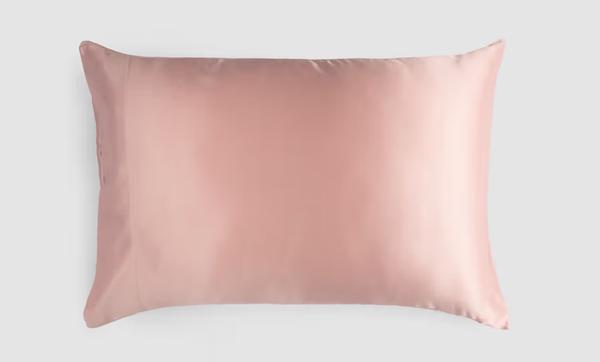
Hot sleepers should look specifically for a lighter momme weight in the 19-22 range on their silk pillowcase, paired with a tightly woven silk that stays cool and silky rather than trapping heat during sleep. Pairing a lightweight silk pillowcase with breathable, moisture-wicking cooling sheets extends that temperature regulation across the whole bed rather than just the pillowcase, which matters most for anyone who runs warm at night or sleeps through a Canadian summer without air conditioning.
Care Instructions: Hand Wash and Machine Wash
Whichever cleaning method fits your routine, treating a silk pillowcase gently at wash time is what keeps it feeling luxurious for years instead of months.
Hand Wash
- Fill a basin with cool water and a small amount of pH-neutral, enzyme-free detergent, then submerge the pillowcase and swirl gently for two to three minutes.
- Rinse the pillowcase thoroughly in cool water until no soap remains, pressing rather than wringing the fabric to push water out.
- Lay the pillowcase flat on a clean towel, roll to absorb excess water, then hang or lay flat to air dry away from direct heat or sunlight.
Cold water and a gentle, enzyme-free detergent are non-negotiable for a silk pillowcase - hot water and harsh detergents break down silk's protein fibres and dull its natural sheen over time.
Machine Wash
Machine wash is acceptable for most silk pillowcases as long as the settings are right: place the pillowcase inside a mesh laundry bag or garment bag, select a gentle cycle with cold water, and skip the spin cycle or keep it to the lowest setting available. Wash a silk pillowcase separately from rougher fabrics like denim or towels, which can snag delicate material even inside a garment bag.
Whichever method you use, finish by letting the pillowcase air dry rather than tumbling it in the dryer - heat is the fastest way to weaken silk fibres, and letting a pillowcase dry naturally also helps the fabric hold its shape and smooth surface over a year or more of regular use.
Final Verdict and Buying Advice
For most Canadian shoppers, a pure mulberry silk pillowcase in the 19-25 momme range, backed by OEKO-TEX certification, is worth the investment: the beauty payoff for hair and skin is real, the care routine is manageable once it's a habit, and a well-made silk pillowcase holds up for years rather than months. A runner-up blended pillowcase can make sense as a low-cost trial, but it won't deliver the same beauty results long-term.
Side sleepers and anyone managing sensitive or acne-prone skin get the most noticeable benefit from switching to a silk pillowcase first; hot sleepers should prioritize a lighter momme paired with breathable sheets.
Frequently Asked Questions
How Often Should You Wash a Silk Pillowcase?
Wash a silk pillowcase every one to two weeks under normal use, or weekly if you sleep on wet hair, use heavy skincare products, or have oilier skin. Regular washing keeps oils and product buildup from dulling the pillowcase's natural sheen.
Silk Pillowcase vs Bonnet: Which Is Better?
A silk pillowcase protects hair and skin passively all night without any prep, while a silk bonnet works harder to protect hair by fully enclosing strands, which suits longer or more textured hair especially well. Many sleepers use both together: a bonnet to protect hair, and a silk pillowcase underneath for the skin benefits a bonnet alone can't provide, night after night.
How Do You Remove Stains From Dyed Silk?
Blot - never rub - a fresh stain on a pillowcase immediately with a clean cloth to lift as much as possible before it sets. Mix a small amount of pH-neutral detergent with cool water, dab gently onto the stain, then rinse the pillowcase and let it dry naturally, flat. Avoid bleach or harsh stain removers on dyed silk, since they can strip colour unevenly and damage the pillowcase alongside the stain.