
Do Women Need More Sleep Than Men?
Women need slightly more sleep than men, and better sleep quality even more. Here is how hormones, sleep disorders, and caregiving shape women’s sleep.
 Best Sleep Society· Editor of Best Sleep Society
Short answer: yes, a little — biology and hormones do the talking, not laziness. If your partner sleeps soundly while you're staring at the ceiling, you're not imagining it. Research suggests women need more sleep than men, though the gap is smaller than headlines suggest. For Canadian shoppers deciding whether their mattress and bedding work with or against their biology, this is the science worth knowing first.
At A Glance: How Much Sleep Women Need Versus Men
The research on sex differences in sleep duration agrees on one point: women tend to sleep slightly longer than men, and need it more. A widely cited American Sociological Review analysis of American Time Use Survey data found women slept about 11 minutes longer than men on average — a small but real gap. Other studies exploring sleep differences put it as high as 15 to 20 minutes, since women's sleep needs shift across life stages, nudging their sleep-wake cycle around at each turn.
Standard medical guidelines, including the American Academy of Sleep Medicine and Sleep Research Society's joint consensus statement, define at least seven hours of nightly sleep as the healthy sleep duration for a healthy adult, with 7 to 9 hours the general target. Women are more likely to fall short due to hormonal changes, sleep disorders, and caregiving load — a women's health pattern worth noting.
This also matters for your bedroom setup: quality sleep depends on temperature regulation and pressure relief as much as hours logged.
Biological Factors: Fluctuating Hormones And Sleep Across Life Stages
Women's sleep patterns shift more than men's, largely thanks to fluctuating hormones tied to the menstrual cycle, pregnancy, and menopause.
During the luteal phase of the menstrual cycle, rising progesterone and a slight rise in body temperature make it harder to fall asleep and reach deep sleep. One-third of menstruating women report sleep difficulties, and premenstrual syndrome often brings mood shifts that compound the disruption.
Pregnancy adds another layer. Between hormonal changes, physical discomfort, and frequent bathroom trips, pregnant women experience insomnia symptoms in roughly 40% of cases by the third trimester, per a meta-analysis in the Journal of Sleep Research. Pregnant people often call this the cruelest irony of pregnancy: exhausted, yet unable to manage staying asleep.
Then comes perimenopause and menopause, when hot flashes and swinging hormone levels destabilize circadian rhythms and the internal clock, cutting into deep sleep. Up to 85% of women experience these flashes during menopause, and up to 67% of post-menopausal women have some degree of sleep apnea — a steep jump from before menopause, when estrogen still offers protection. Sleep medicine research increasingly points to menopause as one of the biggest disruptors of women's sleep health across the lifespan.
Sleep Disorders: Prevalence, Symptoms, And Underdiagnosis In Women
Several sleep disorders hit women harder. Women face a 40% to 58% greater risk of insomnia than men and are more prone to restless legs syndrome. They're also twice as likely to have anxiety and depression, both tied to sleep disruptions, a higher risk profile behind lower-quality sleep than men.
Symptoms often present differently. Rather than the loud snoring associated with sleep apnea in men, women are more likely to report fatigue or daytime sleepiness — symptoms often written off as stress rather than flagged as a disorder. This underdiagnosis is well documented in clinical sleep medicine literature, and researchers such as Girardin Jean-Louis have highlighted how gender differences in symptom reporting skew the numbers. A cross-sectional study — comparing large groups of men and women at one point in time — is how most of this prevalence data gets built.
Bring specifics to your primary care physician: how long it takes to fall asleep, how often you wake, whether you snore, and how sleepy you feel by day. These details separate ordinary poor sleep from a diagnosable disorder, and help if sleep difficulties continue.
Social Factors: Time Spent On Unpaid Labor And Night Awakenings
Biology isn't the whole story. Sociological research shows women often shoulder a higher share of unpaid labor and caregiving duties, a women's health issue that shows up at night too. Women tend to absorb the bulk of nighttime caregiving, waking for a newborn, a sick child, or an aging parent — a disruption that adds to recovery needs.
One UK study tracking new parents found women's sleep dropped by an average of 42 minutes upon becoming a mother, a steeper decline than new fathers experienced. New mothers report even more daytime sleepiness, and women experience higher psychological distress from poor sleep than men do — a gap tied partly to caregiving's mental load. Late-night screen time, often grabbed after a full day of unpaid work, doesn't help.
Do Women Actually Sleep More: Measured Time Spent And Naps
Do women actually get more sleep? By some measures, yes — women log more sleep than men do, about 11 minutes on average, and even more once naps are factored in, since women often nap to compensate for disrupted nighttime sleep.
Total 24-hour sleep time, not just nighttime hours, is the better lens here. Some women also sleep longer on weekends, and naps and catch-up sleep can even out — or widen — the actual gap.
Are You Getting Enough Sleep: How Much Sleep And Warning Signs
So how much sleep is enough? Most adults need 7 to 9 hours nightly to get enough sleep. Warning signs of insufficient sleep include trouble sleeping, harder mornings, irritability, and difficulty concentrating. Feel refreshed most mornings without an alarm, and you're probably close to your number; relying on caffeine to function is a signal to look closer.
Try a two-week self-check: track bedtime, wake time, how long it takes to fall asleep, and afternoon energy. Patterns matter more than any single bad night for spotting whether it's a real sleep issue or just an old mattress.
Sleep Foundation Guidance And Evidence
The Sleep Foundation, an independent sleep research source, echoes the 7-to-9-hour guideline and notes women are more likely than men to report insomnia and low overall sleep quality. Its data — along with figures the CDC has published in its Morbidity and Mortality Weekly Report — is a good starting point for sleep hygiene, including for transgender people and non-binary individuals, groups still underrepresented in sleep research.
Tips For Better Sleep: Sleep Hygiene And Practical Steps For Women
A few sleep hygiene basics that help regardless of hormones or hectic schedules:
- Keep consistent bed and wake times, even on weekends — your internal clock rewards routine and helps prevent an irregular sleep cycle from taking hold.
- Limit caffeine after early afternoon and go easy on evening alcohol; both fragment sleep even if they help you fall asleep faster.
- Keep the bedroom cool, dark, and quiet — especially useful for managing night sweats during perimenopause and menopause.
- Get regular exercise during the day — it supports mood and sleep alike.
- Choose sleep-friendly bedding — breathable sheets and a supportive mattress — to cut sleep disturbances, especially for side sleepers managing joint pain or night sweats.
When To Seek Help: Diagnosing And Treating Sleep Disorders
If trouble sleeping or persistent tiredness lasts more than a few weeks, talk to your primary care physician. They can screen for insomnia, sleep apnea, and restless legs syndrome, and refer you to a sleep clinic for an overnight study. Treatment varies by diagnosis: cognitive behavioural therapy for insomnia, habit adjustments, or CPAP machines for sleep apnea. Hormone therapy may come up for menopause-related sleep issues.
Best Mattress Picks For Better Sleep And Gendered Needs
Because temperature regulation and pressure relief matter for women navigating hormonal sleep disruptions, mattress choice is part of the conversation. Here's how a few standout options compare:
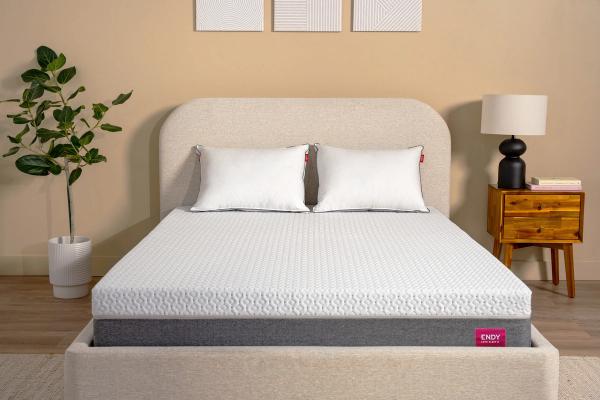
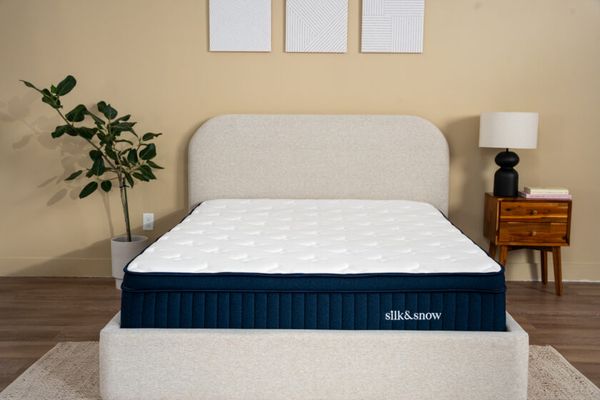
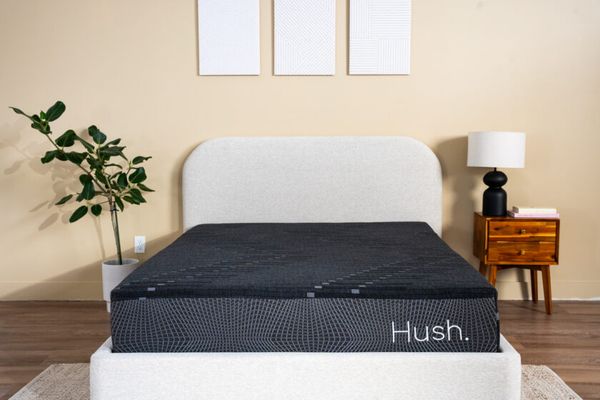
For hot sleepers dealing with night sweats, look for breathable, cooling covers and hybrid layers that don't trap heat. For back pain, medium-firm hybrids that support the spine and cushion hips and shoulders.
Buying checklist: trial length, firmness, cooling technology, motion isolation, and warranty terms.
Conclusion: Practical Takeaways On Whether Women Need More Sleep
So, do women need more sleep than men? In short, women need more sleep by a small margin, and need better sleep quality even more, given how often hormones, caregiving, and underdiagnosed sleep disorders get in the way. Protect consistent bed and wake times, address sleep issues early, and make sure your mattress and bedding aren't working against you.
Frequently Asked Questions
Is it true that women need 9-10 hours of sleep?
No — standard guidelines call for 7 to 9 hours nightly. Some women need slightly more sleep, often 11 to 20 extra minutes, but not a full 9 to 10 hours.
Which gender gets tired faster?
Women report more daytime sleepiness, driven by higher insomnia rates, hormonal disruption, and caregiving-related waking — even though they often log slightly more sleep overall.
How many hours of sleep do women need?
Most women need 7 to 9 hours nightly, the standard baseline for adults, though needs shift during menstruation, pregnancy, and menopause.
Which gender is more sleepy?
Women more frequently report daytime sleepiness and lower restorative rest, though this reflects sleep quality and disruption more than a fundamentally higher sleep requirement.