
What is a Mattress Protector?
What a mattress protector does, how it differs from a mattress pad, topper, and encasement, and how to choose, layer, and care for the right one.
 Best Sleep Society· Editor of Best Sleep Society
If you're shopping for a new mattress in Canada, you've probably seen mattress protectors, mattress pads, and mattress toppers sold side by side. They look similar, but they serve distinct purposes. This guide explains what each one does, so you can decide which layer your bed actually needs and how to choose the best mattress protector for a good night's sleep.
Introduction to Mattress Protectors
So, what is a mattress protector? It's a thin layer of fabric that sits on top of your mattress, under your fitted sheet, to shield it from spills, stains, sweat, allergens, and dust mites. Think of it as the first line of defence between you and your mattress. A good mattress protector keeps your mattress clean without changing how it feels, so your sleep experience stays the same.
Almost everyone benefits from a mattress protector, but some people benefit more than others. Parents of young children, pet owners, allergy sufferers, and anyone who drinks coffee in bed will appreciate the extra layer of protection. If you've just bought a new mattress, a mattress protector is one of the easiest ways to keep it in top shape.
What Is a Mattress Protector vs Mattress Protectors
Mattress protectors come in several styles, but they all share one goal: protecting the mattress from moisture, allergens, and everyday wear. People use them to protect against minor spills and accidents, to reduce allergens like pet dander and dust, and to keep the mattress fresh between bed sheet changes.
Protectors are made from various materials, and the right material affects your whole bed. Breathable cotton is a soft, comfortable material, polyester blends are durable and affordable, and bamboo-derived fabrics feel cool and smooth. A waterproof mattress protector adds a thin backing, usually made from polyurethane, that blocks liquids. Many mattress protectors are also designed to be hypoallergenic.
Benefits of a Mattress Protector
What is the point of a mattress protector? Here are the key reasons to use one:
- Spill protection: A waterproof mattress protector stops coffee, water, and other liquids from soaking into the foam or fibres, protecting the mattress from spills before they become permanent.
- Stain prevention: Sweat, body oils, and makeup can leave stains over time. A mattress protector catches them, and it can go straight in the wash with your bed sheets.
- Allergen reduction: A mattress cover or protector creates a barrier against allergens like pollen, pet dander, and dust, helping create a healthier sleep environment.
- Dust mite mitigation: Dust mites feed on the skin cells we shed every night. A tightly woven protector keeps those cells, and the dust mites that follow them, out of the mattress.
- Extended mattress life: By blocking moisture, stains, and buildup, a mattress protector keeps the mattress in better condition for longer.
There's also a practical reason: many mattress manufacturers void warranties if the mattress is stained or damaged. A mattress protector helps protect your warranty, too.
Types: Mattress Pad, Mattress Pads, Mattress Protector Varieties
A mattress pad and a mattress protector are easy to mix up. A mattress protector focuses on protection, while a mattress pad is meant to enhance comfort by adding softness and a little cushioning. Some mattress cover products do both, but most lean one way.
Protectors come in three common form factors: fitted (like a fitted sheet), full encasement (covering all six sides), and zippered versions that seal the mattress completely.
Mattress Pad (What Is a Mattress Pad)
A mattress pad is a soft, quilted layer designed primarily for adding comfort and cushioning. Most pads are 1 to 2 inches thick and filled with polyester fibre, cotton, or down alternative. They add softness and a bit of extra comfort to your bed, and some offer light protection against minor spills, but most aren't waterproof.
Choose a mattress pad if your mattress feels slightly too firm or if you want a softer surface without buying a full mattress topper.
Mattress Protectors (Fitted Sheets Style and More)
The most common style is the fitted mattress protector. It slips over the top of the mattress and wraps around the sides with elastic corners or an elastic edge, just like fitted sheets. Fitted styles are easy to remove and wash along with your sheets.
Five-sided protectors cover the top and all four sides of the mattress. They stay in place better than top-only styles and protect the edges from spills. Six-sided encasements cover the entire mattress, including the bottom, and usually close with a zipper for the highest level of protection.
Here are three mattress protectors worth considering:
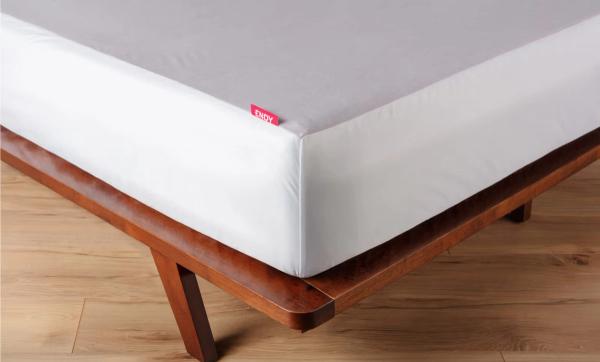
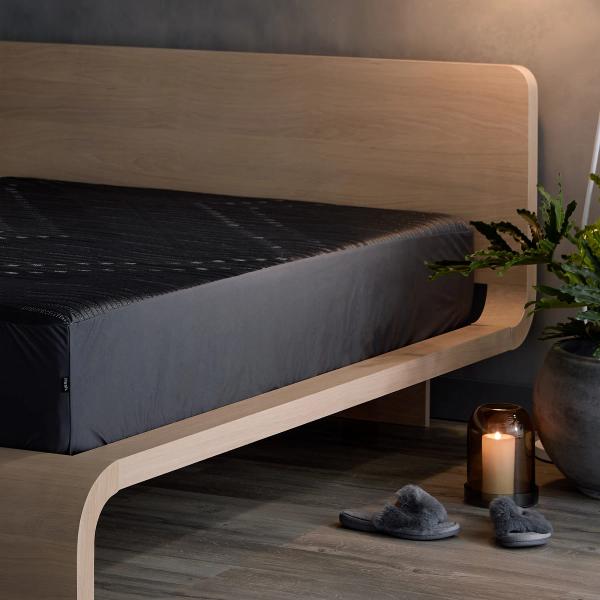
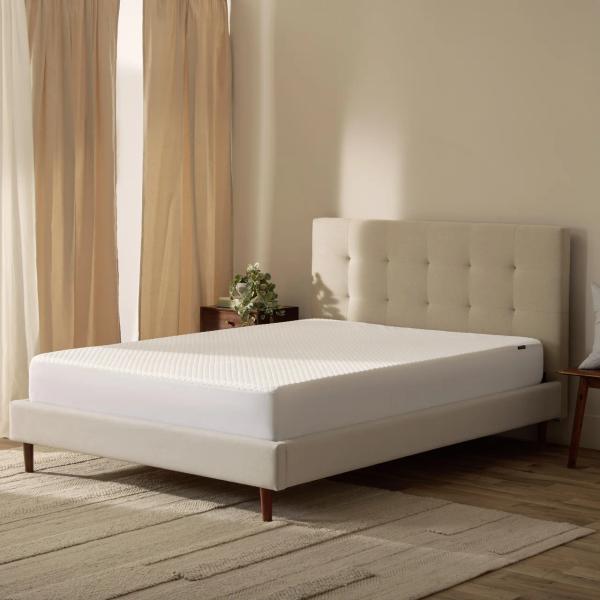
Mattress Encasement and Mattress Cover
A mattress encasement surrounds the mattress on all six sides and closes with a zipper. This full encasement design seals out dust mites, allergens, and bed bugs, which makes it the strongest option for allergy sufferers or anyone dealing with pests.
A mattress cover is a broader term. Many people use the term mattress cover to describe any lighter protective layer on a bed, from a simple fitted cover to a quilted pad. A mattress cover offers less complete protection than a mattress encasement, but it's easier to remove and wash. If spills and stains are your main concern, a fitted mattress cover or a water resistant mattress cover is usually enough.
Waterproof, Breathable, and Material Options
The best waterproof mattress protectors use a urethane-laminated backing. This thin membrane blocks liquids while still allowing air circulation, so it doesn't trap heat or crinkle when you move.
Avoid protectors made with PVC or vinyl. These waterproof fabrics don't breathe, can trap heat and moisture, and may make noise.
When comparing each protector material, look for these certifications:
- OEKO-TEX STANDARD 100: Tested for harmful substances.
- GOTS (Global Organic Textile Standard): Confirms certified organic cotton and restricts harmful chemicals during processing.
- CertiPUR-US or similar foam certifications: Relevant for protectors with foam layers.
Natural materials like organic cotton and bamboo-derived fabrics are naturally breathable, making them a good choice for hot sleepers.
Key Differences: Difference Between a Mattress Protector and a Mattress Topper
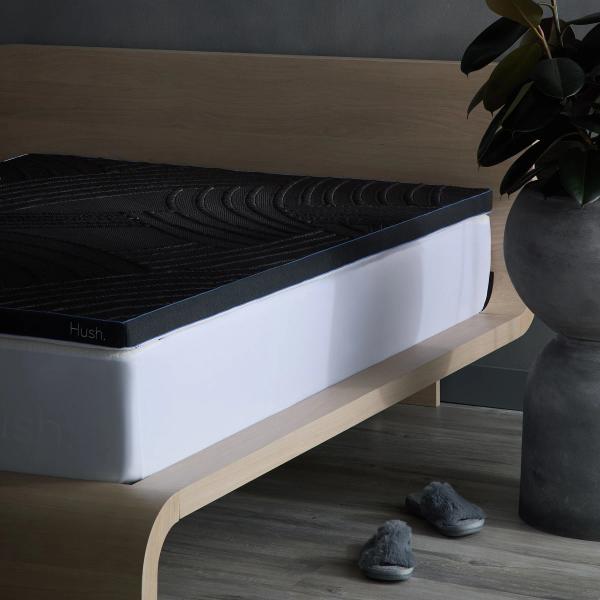
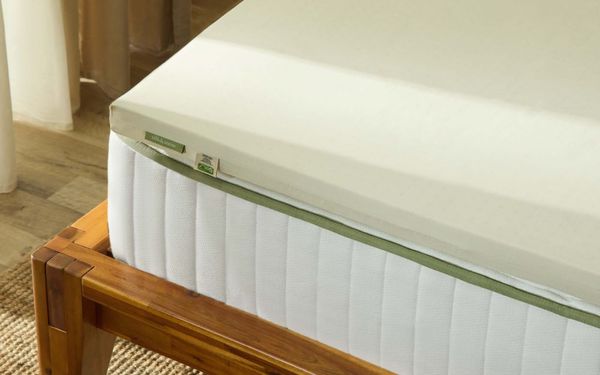
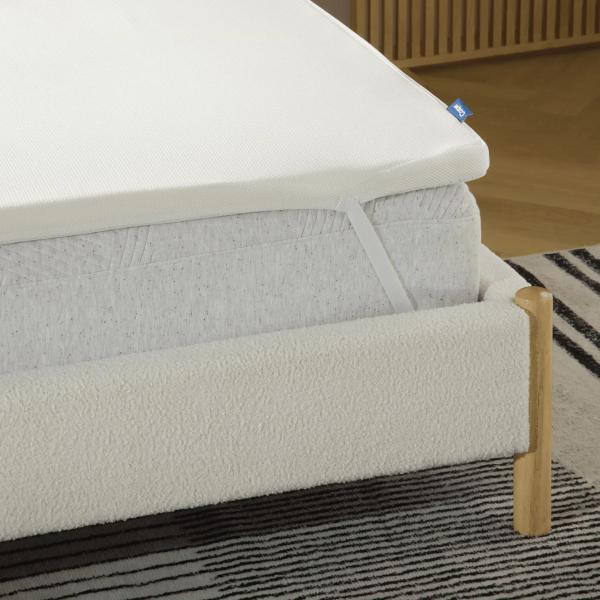
A mattress topper is a thicker layer, usually 2 to 4 inches, made from memory foam, latex, down, or fibre. Toppers adjust the feel of your mattress and can make it softer or firmer. They also add pressure relief for side sleepers and anyone with sore joints.
The difference between a mattress protector and a mattress topper comes down to purpose, and the key differences are easy to remember. A protector is about protection. It's thin and doesn't change the mattress's firmness. A topper is about additional comfort, adding softness, support, and pressure relief to your bed. Neither replaces the other.
If you use both, layer them in this order from bottom to top: mattress, mattress topper, mattress protector, then your fitted sheet. Putting the mattress protector over the topper protects both layers from spills and stains. Knowing the difference between a mattress pad and a mattress topper also helps you avoid buying two layers that do the same job.
Here are three mattress toppers worth considering:
Mattress Protector vs Fitted Sheet and Fitted Sheets
Fitted sheets and mattress protectors both cover the top of the mattress, but they do different jobs. A fitted sheet is what you sleep on, so it's chosen for comfort, feel, and material. A mattress protector goes underneath the fitted sheet to protect the mattress. Your sheets get washed weekly, while the mattress protector can be washed less often.
Do you sleep directly on a mattress protector? You can, but it changes your sleep experience, since most are less soft than sheets. Most protectors are designed to go under a fitted sheet, and bed sheets are softer and better suited to sleep on.
Always place the mattress protector on the bed first, then pull the fitted sheet over it. If your mattress is thick, or you're also using a topper, check the pocket depth of your fitted sheets. Deep-pocket fitted sheets give extra room so the fitted sheet stays put over the added layers. Most Canadian sleep brands list the pocket depth of their sheets, so check it before you buy new sheets for a thicker bed.
Allergens, Dust Mites, and Bed Bugs
Dust mites are tiny creatures that thrive in warm, humid places and feed on skin cells. Their droppings are a common trigger for allergies and asthma. Over time, a mattress without protection can collect allergens, dust mites, and moisture, which can worsen allergies and affect your sleep.
A tightly woven protector reduces that buildup, and regular washing removes allergens that settle on the surface. For allergy sufferers, a zippered encasement offers the most complete barrier.
For bed bugs, an encasement is the best choice because it traps any bugs inside and prevents new ones from settling in. If you're dealing with an infestation, experts generally recommend keeping the encasement on for at least a year, since bed bugs can survive for months without feeding.
Cooling Mattress Considerations for Hot Sleepers
If you sleep on a cooling mattress, the wrong protector can block its cooling technology. A thick or non-breathable layer traps heat between your body and the bed, which defeats the purpose.
Look for breathable materials like cotton, bamboo-derived fabrics, or protectors with built-in cooling fibres. These help regulate body temperature and wick away moisture. For more cooling, pair a breathable mattress protector with a cooling topper, such as a graphite-infused or gel memory foam topper.
How to Choose the Best Mattress Protector
Use these steps to find the right protector:
- Check size and fit: Measure your mattress depth, including any topper, and choose a mattress protector with a deep enough skirt to fit your bed.
- Evaluate the material: Balance breathability and waterproofing. Cotton and bamboo-derived fabrics with a urethane backing offer both, so check the material label.
- Verify certifications: Look for OEKO-TEX or GOTS labels and avoid vinyl material.
- Buy from trusted brands: Canadian brands like Endy, Hush, and Silk & Snow offer protectors designed to fit their mattresses and most standard beds.
Care, Cleaning, and Maintenance
Most protectors are machine washable, which makes caring for your mattress protector and sheets simple. Wash in cold or warm water on a gentle cycle, and avoid bleach, which can damage the fibres and waterproof layer. Always follow the care label.
Wash your mattress protector every one to two months for regular use, or more often if you have allergies, pets, or young children. Wash it right away after any spill, along with your sheets.
Tumble dry on low or hang to dry. High heat can damage the waterproof backing, causing it to crack or peel, so never dry a laminated protector on high.
Conclusion
A mattress protector is a small investment that protects your mattress from spills, stains, allergens, and dust mites, supporting a restful night's sleep and restful nights for years. Ready to find the right mattress protector for your bed? Compare our best mattress protector reviews, browse our mattress buying guides, and explore the top-rated mattresses in Canada.
Frequently Asked Questions
Does a mattress protector change how the mattress feels?
Most protectors are thin and don't change mattress firmness. Some quilted styles add slight softness, but the difference is minimal.
Can not using a mattress protector void a warranty?
Many mattress manufacturers void warranties if the mattress is stained or damaged. A mattress protector helps keep the mattress clean and the warranty valid. Check each brand's warranty terms for specifics.
Is it okay to not use a mattress protector?
It's possible, but the mattress is more exposed to stains, spills, allergens, and dust mites, which can shorten its life and affect warranty coverage.
What to use instead of a mattress protector?
A mattress pad or a mattress cover offers some protection, but neither blocks liquids like a waterproof mattress protector. Swapping in extra sheets won't protect the mattress either. For full protection, a mattress protector or encasement is best for a good night's sleep.
Are mattress protectors safe for infants and children?
Yes, when chosen carefully. For cribs, use a mattress protector made for the crib mattress size that fits snugly with no loose sheets or fabric. Health Canada recommends a firm, flat sleep surface for babies, so avoid adding pads or toppers to a crib mattress.