
How to Choose a Pillow
 Best Sleep Society· Editor of Best Sleep Society
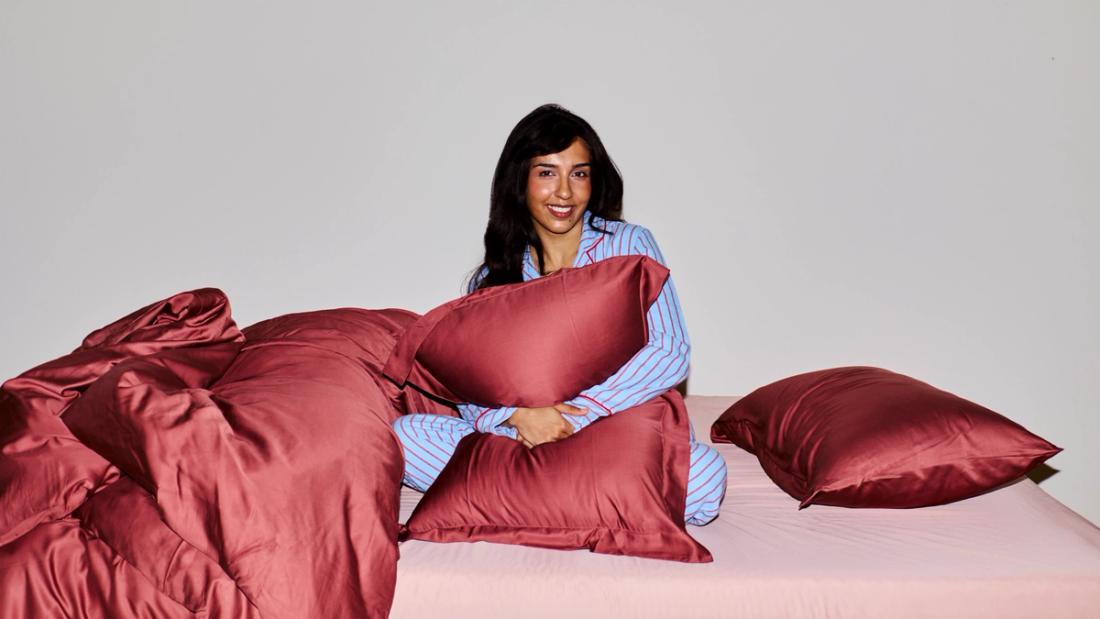
Eight main types of pillows are available and they're categorized by fill material: down and feather, down alternative/polyester, memory foam, latex, buckwheat, water-filled, gel-infused and hybrid. The right choice depends on your sleep position, whether you run hot or cold and how firm you prefer your pillow to be. This guide describes each fill type, maps it to a typical sleep position, and answers common questions, so you can choose with confidence. For our picks, check out our list of the Best Pillows in Canada 2026.
This guide is for informational purposes only. Consult a health-care provider if you suffer from chronic neck or back pain or have other sleep-related issues that require professional care.
The 8 Main Types of Pillows by Fill Material
1. Down and Feather Pillows
Down pillows are filled with the soft clusters beneath a bird's outer feathers, typically from geese or ducks. They offer a luxurious, cloud-like feel that suits stomach sleepers and back sleepers who prefer a soft, pliable surface. Look for a fill power of 600 or higher: the higher the fill power, the loftier and lighter the pillow.
| Best For | Stomach sleepers and back sleepers |
| Loft | Low to medium (under 3"–4") |
Pros
- Extremely soft and lightweight
- Breathable
Cons
- May trigger allergic reactions
- Flattens over time
- Not vegan
- Replace every two to three years
Best Sleep Society's Picks
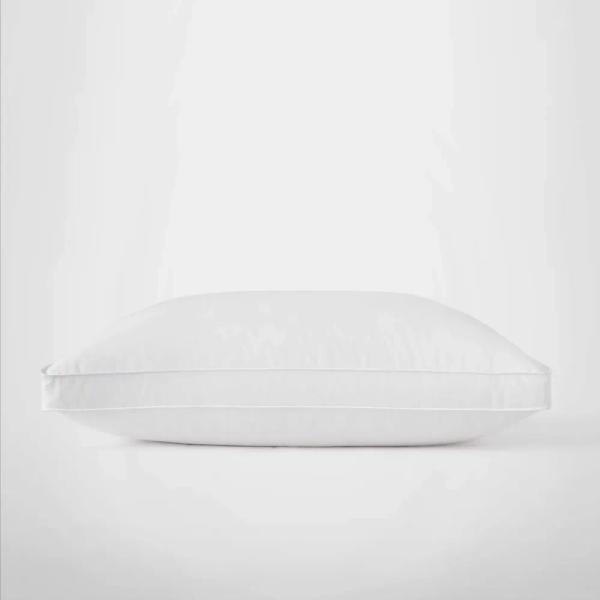
2. Down Alternative / Polyester Fill Pillows
Down alternatives use synthetic materials (typically polyester microfiber) to mimic the softness of natural down. They're machine washable, more affordable and hypoallergenic, making them practical for allergy sufferers or those who prefer synthetic materials.
| Best For | Stomach sleepers, budget shoppers, allergy sufferers |
| Loft | Low to medium |
Pros
- Machine wash friendly
- Hypoallergenic
- Great value
Cons
- Flatten faster
- Replace every one to two years
Best Sleep Society's Picks
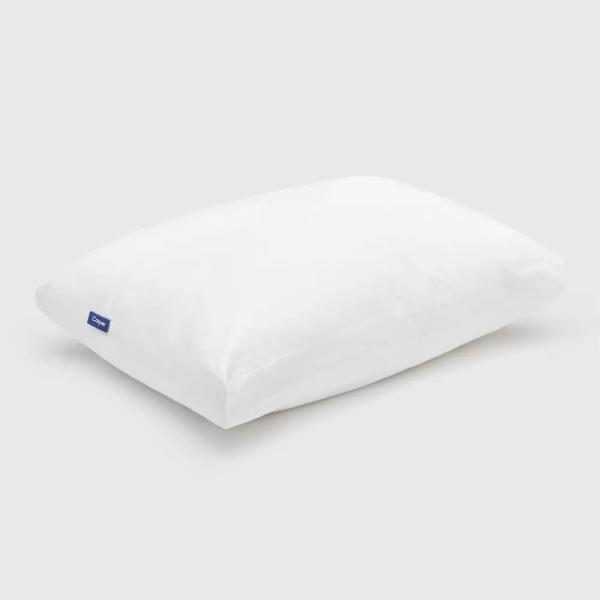
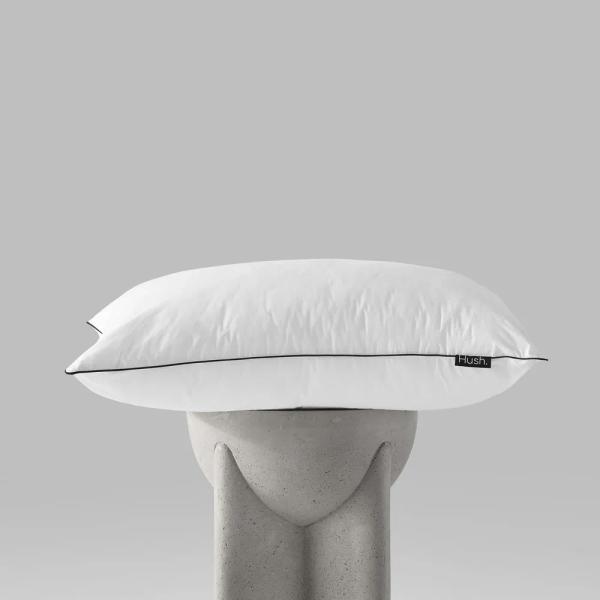
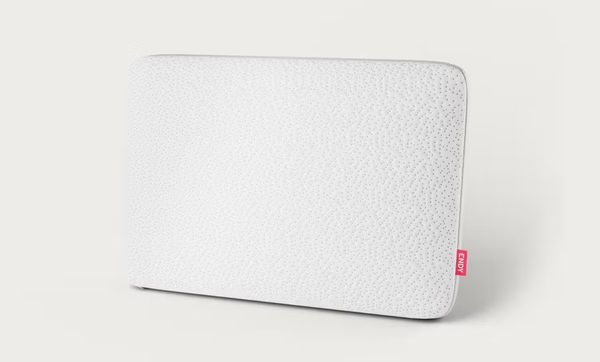
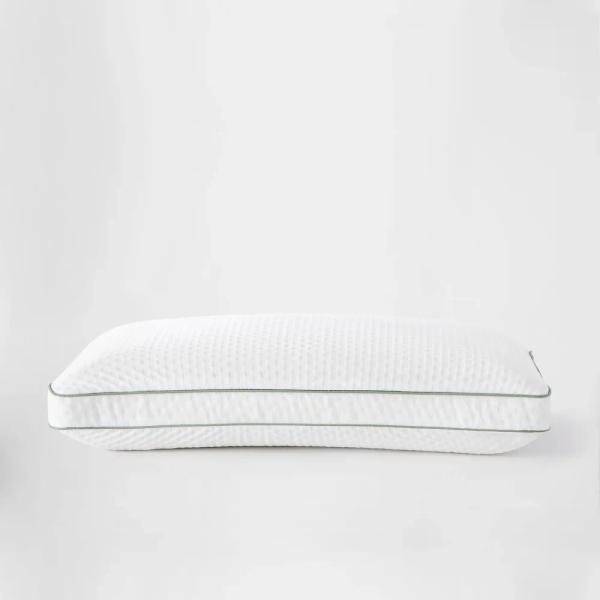
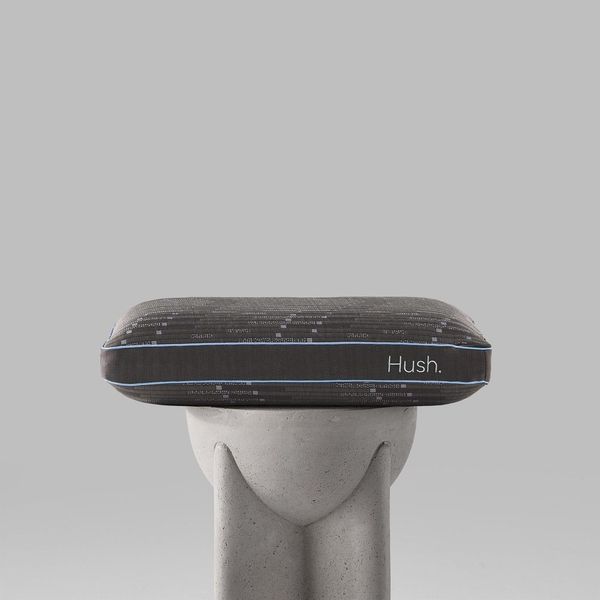
3. Memory Foam Pillows
Memory foam pillows contour to the head and neck, providing customized pressure relief and spinal support. They come in two forms: solid memory foam and shredded memory foam. Solid foam holds a fixed shape; shredded memory foam offers better breathability and adjustable fill, so you can customize it as you prefer.
Gel-infused memory foam pillows are the cooler-sleeping option: cooling gel is worked into the foam fill to regulate temperature and prevent the heat retention that normally occurs with standard memory foam. Hot sleepers should prioritize gel-infused options or shredded foam pillows with a washable cover.
| Best For | Back sleepers, side sleepers, pressure point relief |
| Loft | Medium to high (3"–6"+) |
Pros
- Excellent pressure relief
- Zero motion transfer
- Adjustable fill available
Cons
- Can retain heat
- New foam may need ~30 minutes of airing before first use
Best Sleep Society's Picks
4. Latex Pillows
Unlike the slow contouring of memory foam, latex foam pillows offer responsive, buoyant support that springs back quickly. Natural latex is resistant to mold, mildew and dust mites, making latex pillows naturally hypoallergenic.
There are two types of latex:
Dunlop latex is made through a simpler process that produces denser, firmer foam. The Dunlop process yields latex with an average lifespan of 20 to 25 years. Dunlop latex pillows suit sleepers who want firm support and consistent loft.
Talalay latex foam is made using vacuum sealing and flash-freezing, creating a lighter, more breathable foam with a uniform cell structure. Talalay latex is softer and more plush than Dunlop, so many side sleepers favour it over the alternative. Talalay latex typically lasts 10 to 15 years.
For organic options, look for GOLS-certified organic latex, which confirms the latex meets rigorous organic sourcing standards.
| Best For | Side and back sleepers, allergy sufferers, hot sleepers |
| Loft | Medium to high |
Pros
- Naturally hypoallergenic
- Temperature-neutral
- Responsive
- Very durable
Cons
- Heavier than foam
- Natural latex carries a higher price
5. Buckwheat Pillows
Buckwheat pillows are filled with the hulls of buckwheat seeds, a natural material used for centuries across East Asia. The hulls shift to conform to your head and neck, offering firm, adjustable support with excellent airflow. The pillow's cover unzips, so you can add or remove hulls to fine-tune the loft. With proper care, buckwheat pillows can last 10 to 20 years.
| Best For | Back and side sleepers who want firm pillows and natural fill materials |
| Loft | Adjustable |
Pros
- Fully adjustable fill
- Highly breathable
- Very long-lasting
Cons
- Heavy
- Audible rustling sound
- A firm feel isn't for everyone
6. Water-Fill Pillows
Water-fill pillows have a foam or fibre outer layer over an internal water bladder. Add or remove water to precisely adjust the loft. Research on pillow loft and spinal alignment shows that pillow height has measurable effects on cervical spine biomechanics. Water-fill pillows offer the most exact loft control of any pillow type.
| Best For | Back sleepers managing neck pain |
| Loft | Fully adjustable |
Pros
- Extremely precise loft control
Cons
- Heavy
- Requires occasional water refills
7. Gel Pillows
Gel pillows, or gel-infused foam pillows, are built for temperature regulation. Cooling gel is integrated into the foam fill or applied as a top panel, removing heat from your body. They're a popular choice among those who sleep hot on standard foam but want the pressure relief foam offers.
| Best For | Hot sleepers, back and side sleepers |
| Loft | Medium |
Pros
- Noticeably cooler than standard memory foam
- Solid pressure relief
Cons
- Gel layer may lose effectiveness over time
- Heavier than standard foam
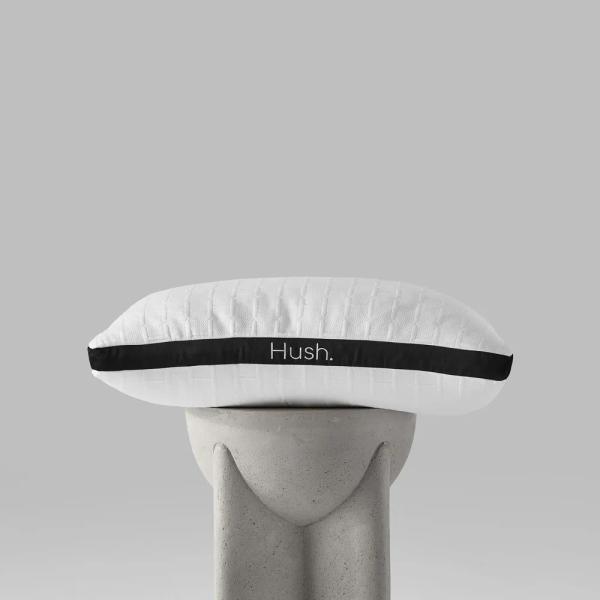
8. Hybrid Pillows
A hybrid pillow combines two or more fill materials to balance their strengths. A common construction pairs a supportive foam or latex foam core with a soft fibre shell, thereby delivering the contouring of foam plus the plushness of a down alternative fill.
| Best For | Combination sleepers, back and side sleepers |
| Loft | Adjustable |
Pros
- Versatile
- Balances support and softness
- Often adjustable
Cons
- Quality varies widely by brand
Best Sleep Society's Picks
Which Pillow Type Is Right for Your Sleep Position?
Research on pillow height and cervical spine alignment finds that the wrong loft can increase pressure on cervical vertebrae and disrupt spinal alignment. Here's how different sleep positions relate to pillow needs.
Side sleepers need high loft (12.7 cm/5 inches or more) to fill the gap between shoulder and head. Otherwise, the head drops and strains the neck. Latex, shredded memory foam and buckwheat work best because they maintain loft under the weight of the head without flattening.
Back sleepers need medium loft (7.62–12.7 cm/3–5 inches) to keep the head in neutral alignment with the spine. Memory foam, water-fill, and medium latex all work well. A medium-firm feel prevents sinking too deep and propping your chin forward.
Stomach sleepers need low loft (under 7.62 cm/3 inches) and a soft feel to prevent neck hyperextension. A low-profile down pillow or soft polyester fill works better than firm pillows or high-loft latex.
Combination sleepers shift positions while asleep and are most comfortable with responsive, adjustable fill materials like shredded memory foam, Talalay latex foam or hybrid constructions.
Pillow Shopping in Canada: What You Should Consider
Canadian bedrooms typically run cold in winter and warm in summer, which means breathability and temperature regulation matter more than in temperate climates. Unlike foam options that can stiffen when temperatures drop, a latex or buckwheat pillow that sleeps cool in July will keep its shape through a cold January night.
Sleep Country carries pillows across all fill types and firmness levels. It features Sleep Experts in its stores across Canada to help match you to the right option based on your sleep position, mattress and feel preference. All purchases come with a trial period, so you can sleep soundly after making your decision.
Find all of our Pillow Reviews here.
Frequently Asked Questions
What pillow type is best for neck pain?
A medium-loft, supportive fill, such as memory foam or latex, may help maintain cervical alignment. Contour and cervical pillows are shaped specifically for the neck's natural curve. Consult a qualified health-care provider if you experience persistent discomfort.
What is the most hypoallergenic pillow material?
Latex is naturally resistant to mold, mildew and dust mites. Down alternative and polyester fill are also hypoallergenic. Avoid natural down if you have feather allergies. Look for OEKO-TEX® certified materials when choosing allergen-safe options.
Do foam pillows offer good support and pressure relief?
Yes, foam pillows offer excellent support and pressure relief for most sleepers. CertiPUR-US®-certified foam meets rigorous standards for content, emissions and durability based on testing by independent, accredited laboratories.
How often should you replace your pillow?
Polyester fill: every one to two years. Down: every two to three years. Latex and memory foam: every three to five years. Here's a quick test you can do at home: fold your pillow in half. If it doesn't spring back to its original shape, it's lost its support and should be replaced.
Which type of pillow fill offers the coolest sleep?
Buckwheat and latex have the best natural airflow. Talalay latex foam and gel-infused memory foam are the coolest foam options. On the other hand, natural down tends to trap heat.